
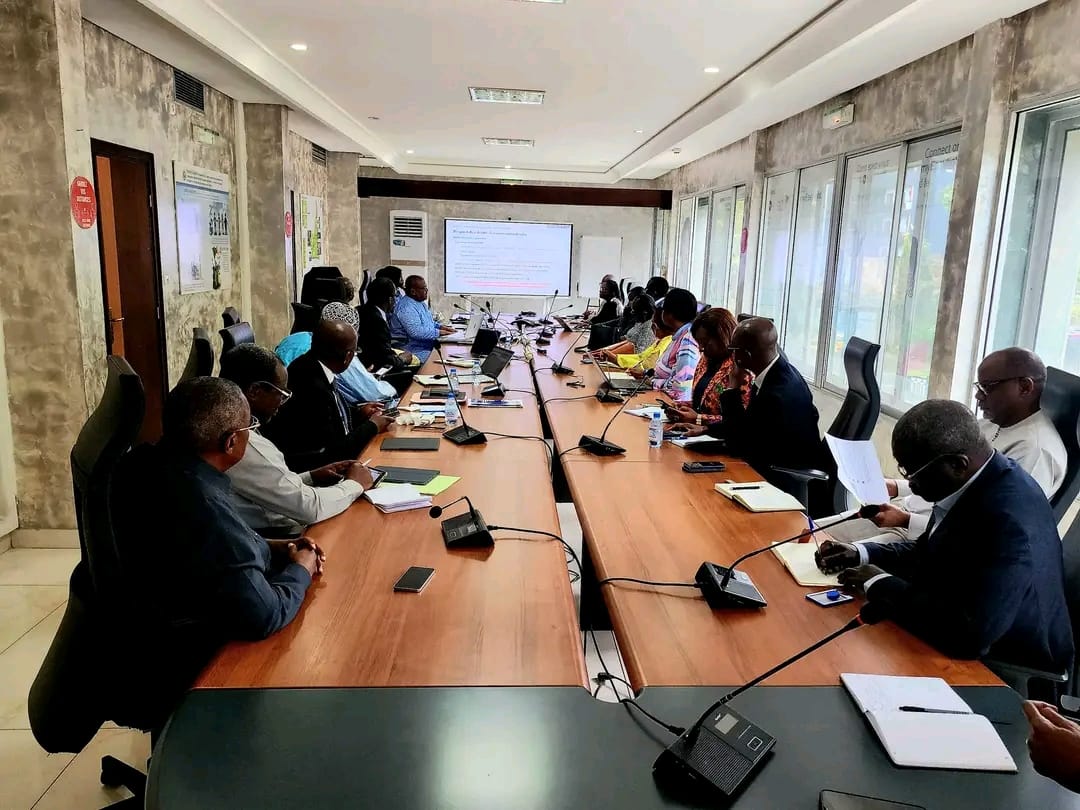
ARSEL, World Bank Identify Cameroon Electricity Investment Priorities
Summary
- On September 22, 2026, the Agence de régulation du secteur de l'electricité (ARSEL) met with a World Bank team in Cameroon.
- The meeting's purpose was to prepare a new investment program to enhance the performance of Cameroon's electricity system.
- Three immediate priorities were identified: electricity service cost and pricing, dynamic demand management, and improving the power factor.
- Discussions also covered reducing distribution network losses, enhancing demand forecasting tools, and strengthening regulatory capacities.
- This collaboration aims to bolster the performance, efficiency, and sustainability of Cameroon's electricity sector.
Strategic Collaboration for Cameroon's Power Sector
This strategic consultation between ARSEL and the World Bank reflects a unified resolve to significantly improve the performance, efficiency, and long-term sustainability of Cameroon's electricity sector.
On Tuesday, September 22, 2026, the Agence de régulation du secteur de l'electricité (ARSEL) hosted a delegation from the World Bank at its headquarters in Cameroon. The primary objective of this high-level engagement was to lay the groundwork for a new investment program specifically designed to bolster the performance of the Cameroonian electricity system. This collaborative effort underscores a shared commitment to addressing critical challenges within the nation's power infrastructure.
The discussions during the meeting extensively covered various projects and strategies aimed at enhancing the overall efficiency and reliability of the electricity supply. A central theme was the identification of key ARSEL World Bank Cameroon electricity investment priorities. Following comprehensive deliberations, three core areas were formally designated as immediate priorities for the initial phase of this ambitious program, signaling a focused approach to systemic improvements.
Key Investment and Regulatory Focus Areas
The three principal areas identified for immediate action include a thorough study of service costs and the subsequent adjustment of electricity pricing, the implementation of dynamic demand management strategies, and initiatives to improve the power factor. The study on service costs and electricity pricing aims to establish a more equitable and sustainable tariff structure for the Cameroonian electricity sector. Concurrently, dynamic demand management, often referred to as "demand response," is crucial for effectively balancing electricity supply and demand, thereby optimizing grid stability and resource allocation. Efforts to raise the power factor are intended to maximize the utilization of existing generation and transmission capacities, reducing energy waste.
Beyond these primary focuses, the dialogue also encompassed several other vital aspects of the electricity sector. Participants explored methods for reducing losses within the distribution network, a significant challenge impacting efficiency. Furthermore, discussions addressed the enhancement of demand forecasting tools, which are essential for accurate planning and operational stability. Strengthening the capacities for planning and regulation within the Agence de régulation du secteur de l'electricité Cameroun was also a key point, aiming to improve oversight and strategic development. These comprehensive discussions highlight a multi-faceted approach to improving the nation's power infrastructure.
Outlook for Cameroon's Energy Future
This strategic consultation between ARSEL and the World Bank reflects a unified resolve to significantly improve the performance, efficiency, and long-term sustainability of Cameroon's electricity sector. The agreed-upon ARSEL World Bank Cameroon electricity investment priorities are poised to drive substantial changes in how electricity is managed and delivered across the country. This partnership is expected to pave the way for significant regulatory adjustments, particularly concerning Cameroun électricité tarification and Cameroun gestion demande électricité, influencing both consumers and energy providers.
The emphasis on these specific areas indicates a forward-looking approach to energy management in Cameroon, with the Banque Mondiale investissement énergie Cameroun playing a pivotal role. By focusing on foundational elements like cost analysis, demand-side management, and technical efficiency, the initiative seeks to create a more robust and responsive power system. This collaboration is a clear indicator of upcoming developments in the Régulation secteur énergie Cameroun, setting a new trajectory for its growth and stability.
Practical Implications
This agreement signals upcoming regulatory changes and investment focus in Cameroon's electricity sector. Lawyers advising energy companies or investors should monitor developments regarding new tariffs, demand-side management regulations, and potential project financing opportunities stemming from these priorities to ensure compliance and identify strategic advantages.
Source
How does this affect you?
Get an AI analysis of this article grounded in your jurisdictions, practice areas, and any policy documents you've uploaded to Wansom.
Finish Reading the Full Story and the Expert Analysis.
Get the latest legal & regulatory intelligence in Cameroon
Wansom is AI and can make mistakes.