
Arizona Drought Committee: Water Management Update Shows Short-Term Gains
Summary
- Arizona's drought conditions have slightly improved due to a strong monsoon, tropical storms, and a "Super El Niño."
- Wildfires decreased by 80% this year, and local river systems like the Salt and Verde are at over 100% capacity.
- Despite recent rainfall, Lake Mead and Lake Powell levels remain critically low, below 30% capacity, with "deadpool" a future risk.
- Arizona has agreed to cut nearly a third of its Colorado River allocation over the next two years due to persistent water scarcity.
- Long-term drought conditions and warmer-than-average temperatures continue to pose significant challenges for the state's water future.
Recent Rainfall Offers Mixed Relief to Arizona
Despite these encouraging short-term improvements, the overall Arizona water supply outlook remains precarious due to the enduring nature of the long-term drought.
The Arizona Drought Monitoring Technical Committee recently received an update on the state's water conditions, revealing a complex picture of short-term gains against persistent long-term challenges. Following two of the driest winters on record, Arizona has seen a slight reduction in drought severity, largely attributed to a robust monsoon season. This monsoon was significantly bolstered by tropical storms and a powerful El Niño in the Pacific, leading to above-average precipitation across much of the state in September and early October. Areas like the Phoenix Valley, Coconino County, and Yavapai County experienced notable rainfall, with National Weather Service meteorologist Mark O’Malley observing that drought signatures were difficult to detect in northern Arizona.
This recent influx of moisture has had immediate positive effects, including an 80% decrease in acres burned by wildfires compared to the previous year, with less than 65,000 acres affected statewide. Tiffany Davila of the Arizona Department of Forestry and Fire Management noted this was an exceptionally low figure. The "Super El Niño" phenomenon, which transported moisture from warming Pacific waters across the American Southwest and intensified Pacific hurricanes, played a crucial role in this rainfall. Tropical storms, such as Hurricane Polo—the longest-lasting Category 5 storm in Pacific history—also contributed to the increased precipitation, though research from World Weather Attribution suggests global climate change was a more significant factor in the storm's intensity than El Niño alone.
Locally, the Salt River Project water forecast appears promising for central Arizona. Stephen Flora, a senior hydrologist with the Salt River Project, reported that the Salt and Verde River watersheds are currently operating at over 100% capacity due to the heavy rains. These river systems are vital, supplying nearly 60% of Phoenix’s municipal drinking water. Flora expressed optimism that a wetter winter could lead to highly efficient runoff, potentially refilling the system within a single year, which would be a significant boost for Arizona aquifer recharge efforts.
Persistent Drought Challenges and Reservoir Concerns
Despite these encouraging short-term improvements, the overall Arizona water supply outlook remains precarious due to the enduring nature of the long-term drought. Mark O’Malley cautioned the committee that while recent highlights were positive, the end of the drought is still a distant prospect. He emphasized that the state has experienced significantly warmer-than-average temperatures over the past several years, exacerbating water scarcity. Since 1993, Arizona has recorded at-or-above average precipitation in only ten years, with record-breaking summer heat further intensifying the problem. While the most recent water year, spanning from October 2025 through September 2026, was deemed "not horrible overall," O'Malley reminded attendees that the ten months between the two wet periods were among the driest on record, underscoring the severity of the 2025 winter and monsoon.
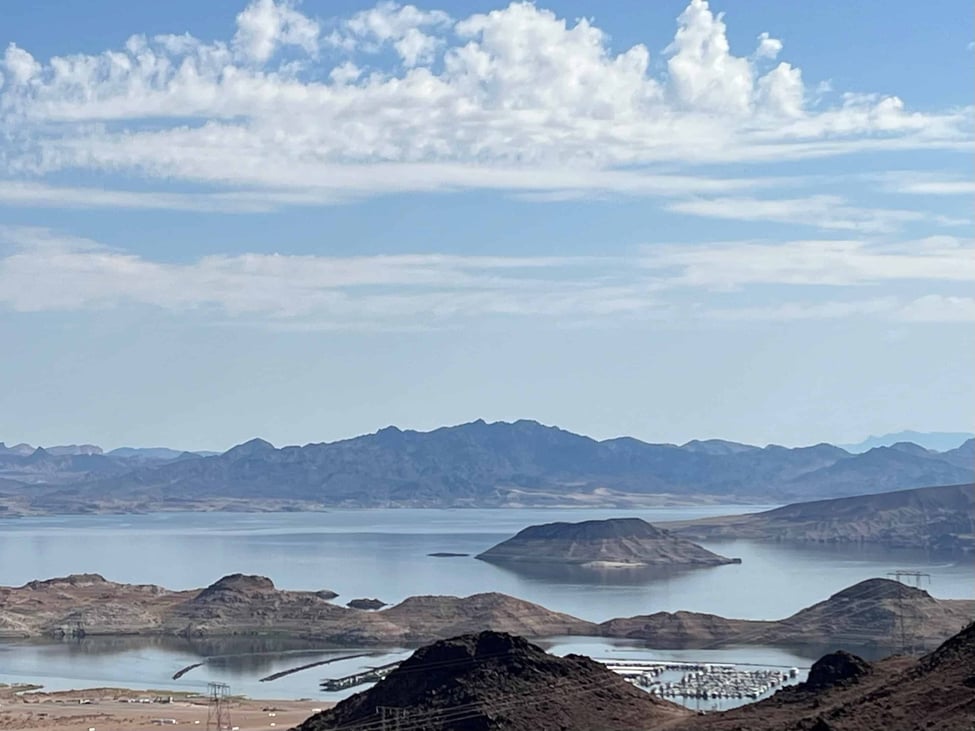
The situation for major regional water sources, particularly the Colorado River system, continues to be critical. James Heffner, a senior hydrologist with the Arizona Department of Water Resources, conveyed a stark assessment, stating there were "no miracles this year" and that "no basin was spared" from the ongoing water challenges. Both Lake Mead and Lake Powell levels remain alarmingly low, sitting below 30% of their total capacity. Experts warn that these crucial reservoirs could reach "deadpool" within a few years, a point at which water would no longer be able to flow through the dams, creating catastrophic implications for the entire region.
Arizona's Water Rights and Future Implications
The dire state of the Colorado River system has already led to significant Arizona water rights implications. In response to the dwindling water supply, Arizona has agreed to substantial Colorado River cuts Arizona, committing to sacrifice nearly a third of its allocated share over the next two years. This agreement highlights the severe pressure on the state's water resources, with the possibility of further reductions looming in the future. The need for sustained, significant precipitation, particularly during the winter months, is paramount not only for local river systems but also for the broader recovery of the region's primary water storage facilities and for effective Arizona aquifer recharge.
While the recent strong monsoon and the Salt River Project water forecast offer a glimmer of hope for localized relief and potential for increased soil moisture, the underlying challenges of a warming climate and a multi-decade drought persist. The update provided to the Arizona water management committee underscores the delicate balance between short-term weather patterns and the long-term strategies required to secure the state's water future amidst ongoing scarcity and the critical need to manage its precious water resources.
Source
How does this affect you?
Get an AI analysis of this article grounded in your jurisdictions, practice areas, and any policy documents you've uploaded to Wansom.
Finish Reading the Full Story and the Expert Analysis.
Get the latest legal & regulatory intelligence in United States
Wansom is AI and can make mistakes.