
Après La Reprise Des Bourses Familiales, Les Postiers Contestent Leur Retrait À La Poste
Summary
- Senegal's family allowance payments, totaling 70 billion F CFA for 469,497 households, resumed on October 1, 2026, after a two-year pause.
- The decision to distribute these funds via Mobile Money operators, bypassing La Poste, has sparked protests from the Postiers Sénégal.
- Ahmed Diouf, Secretary General of the Syndicat des travailleurs de La Poste, claims this move violates commitments from a September 2023 interministerial council that promised La Poste exclusive or preferential rights for state mass payments.
- Diouf argues the withdrawal of this service deprives La Poste of crucial revenue, weakening its treasury and accusing the state of attempting to 'asphyxiate' the public enterprise.
The Core Dispute Over Family Allowances
Ahmed Diouf has gone as far as to accuse the state of attempting to 'asphyxiate' La Poste financially by systematically removing profitable public service mandates.
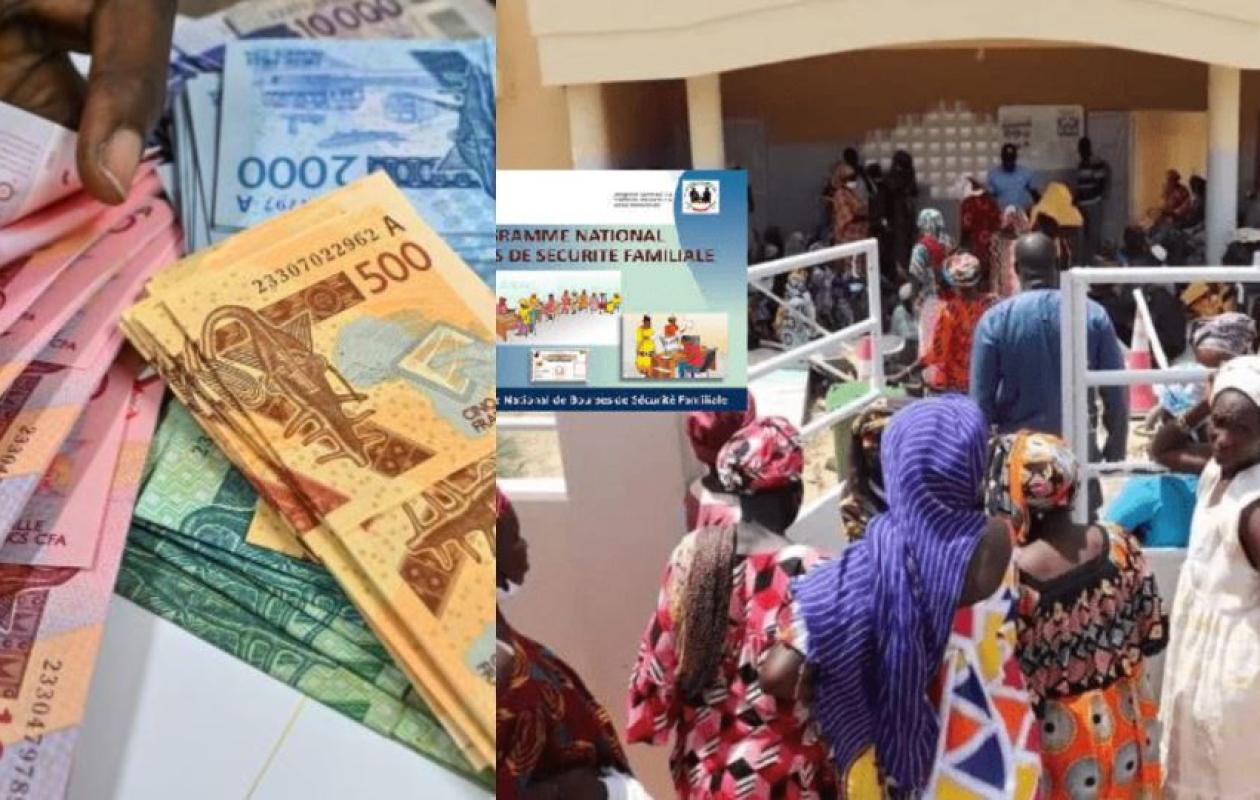
The distribution of family allowances, officially known as Bourses de sécurité familiale, has recently recommenced in Senegal, concluding a two-year hiatus. As of October 1, 2026, these vital payments are once again being disbursed to eligible households across the nation. This year's program marks a significant expansion, reaching 469,497 households, a notable increase from the 355,013 households that benefited in 2024. Each recipient household is slated to receive a total of 140,000 F CFA, to be distributed in four quarterly installments, with the overall budget for this extensive initiative amounting to 70 billion F CFA.
However, a significant point of contention has arisen concerning the chosen method of distribution. While the funds are now being channeled exclusively through Mobile Money operators, this strategic shift has ignited considerable protest among the Postiers Sénégal, the dedicated workers of La Poste. Their dissatisfaction stems from the perceived sidelining of La Poste from its traditional and expected role in facilitating these crucial social welfare payments.
Ahmed Diouf, the Secretary General of the Syndicat des travailleurs de La Poste, has publicly articulated the union's strong opposition. He asserts that the decision to exclude La Poste from this distribution process directly contravenes specific commitments made during a high-level interministerial council. This dispute highlights a growing tension between the state-owned postal service and the government's current policy on public service mandates and revenue allocation.
Allegations of Broken Commitments
The commitments referenced by the Syndicat des travailleurs de La Poste trace back to a pivotal interministerial council meeting held on September 1, 2023. This crucial gathering was convened with the explicit objective of formulating strategies for the revitalization of the public enterprise, La Poste. During this council, a comprehensive framework comprising fifteen distinct recovery measures was established, designed to guide the postal service back to financial stability and operational efficiency.
Among these fifteen measures, Ahmed Diouf contends that a key provision stipulated that state-mandated mass payments, such as the bourses de sécurité familiale distribution, would be exclusively or preferentially entrusted to La Poste. This arrangement, according to Diouf, was intended to leverage La Poste Sénégal's existing infrastructure and provide a stable, significant revenue stream deemed essential for its recovery. The current decision to route the 70 billion F CFA budget for family allowances through Mobile Money operators, rather than through La Poste, is therefore perceived by the union as a direct breach of these agreed-upon engagements conseil interministériel La Poste.
In a related administrative development, a recertification campaign for the Registre national unique is slated for 2027. This initiative underscores ongoing efforts to update and streamline national beneficiary registries, which could influence future payment distribution mechanisms and the roles of various public and private entities, including La Poste, in such processes.
Financial Impact and Accusations
The ramifications of this policy change are profound for La Poste, according to its workers' union. Ahmed Diouf emphasizes that the loss of the family allowance distribution service deprives the enterprise of substantial and much-needed revenue. This significant reduction in income, he argues, directly contributes to weakening La Poste's treasury, thereby hindering its ability to implement the very recovery measures outlined in the 2023 interministerial council.
Diouf has gone as far as to accuse the state of attempting to 'asphyxiate' La Poste financially by systematically removing profitable public service mandates. He passionately defends the postal service's capacity and extensive reach, underscoring that its network boasts the most widespread territorial coverage across the entire country. This extensive infrastructure, he suggests, positions La Poste as an ideal and efficient partner for the distribution of public funds, particularly in remote areas where Mobile Money operators might have less penetration or accessibility. The Postiers Sénégal contestent retrait bourses familiales not only as a matter of financial viability but also as a challenge to the strategic role and mandate of a national public service institution.
Practical Implications
This dispute between La Poste and the Senegalese government over family allowance distribution highlights potential administrative law challenges or contractual breaches for legal counsel advising state-owned enterprises or public sector unions regarding public service mandates and revenue allocation.
Source
How does this affect you?
Get an AI analysis of this article grounded in your jurisdictions, practice areas, and any policy documents you've uploaded to Wansom.
Finish Reading the Full Story and the Expert Analysis.
Get the latest legal & regulatory intelligence in Senegal
Wansom is AI and can make mistakes.