
Analysis: Safeguards and Roadblocks to Nigeria's 2027 Elections
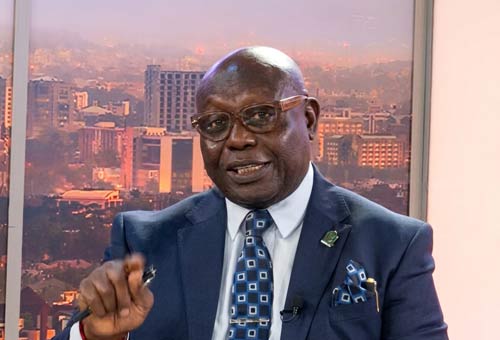
Festus Okoye, in an article titled "Safeguards And Roadblocks To Nigeria’s 2027 Elections (2)," argues that Nigeria must remove illegal obstacles to its electoral process to ensure genuine elections where voters can freely express their will and the outcome accurately reflects their choices. The article emphasizes that true sovereignty cannot reside with the people if they cannot confidently affirm the legitimacy of those in government.
This analysis underscores the critical importance of electoral integrity for Nigeria's democratic stability and the rule of law, directly impacting the legitimacy of governance and public trust in institutions. For legal practitioners, it highlights the ongoing challenges in electoral jurisprudence, including the enforcement of electoral laws, the role of courts in resolving disputes, and the need for robust legal frameworks to prevent electoral malpractices. The discussion on "illegal roadblocks" points to potential areas of litigation and advocacy concerning voter suppression, election rigging, and the protection of fundamental political rights, which are essential for a credible democratic process.
The discourse is firmly rooted in Nigeria's constitutional law, particularly Chapter IV on Fundamental Rights, and the Electoral Act, 2022 (as amended), which governs the conduct of elections. Key principles include universal adult suffrage, the right to vote, and the independence of the Independent National Electoral Commission (INEC). The Supreme Court and Court of Appeal frequently adjudicate electoral petitions, shaping the interpretation and application of these laws. The concept of "sovereignty residing with the people" is a foundational principle of democratic governance, enshrined in the Nigerian Constitution, making the integrity of elections paramount.
Key parties involved in this discussion include Festus Okoye as the author, the Nigerian electorate whose rights are at stake, the Independent National Electoral Commission (INEC) responsible for conducting elections, political parties, and the Nigerian judiciary, which plays a crucial role in adjudicating electoral disputes and upholding the rule of law. The article specifically focuses on the upcoming 2027 elections in Nigeria, making its insights particularly timely.
Attorneys specializing in electoral law, constitutional law, and human rights should closely monitor legislative reforms and judicial pronouncements related to electoral processes in Nigeria. Understanding the identified "roadblocks" and potential "safeguards" is crucial for advising political clients, engaging in election observation, or litigating electoral disputes. The article implicitly calls for vigilance and proactive legal engagement to ensure the integrity of the 2027 elections, emphasizing the legal profession's indispensable role in safeguarding democratic principles and ensuring that the will of the people is accurately reflected in electoral outcomes.
How does this affect you?
Get an AI analysis of this article grounded in your jurisdictions, practice areas, and any policy documents you've uploaded to Wansom.
Finish Reading the Full Story and the Expert Analysis.
Get the latest legal & regulatory intelligence in Nigeria
Wansom is AI and can make mistakes.