
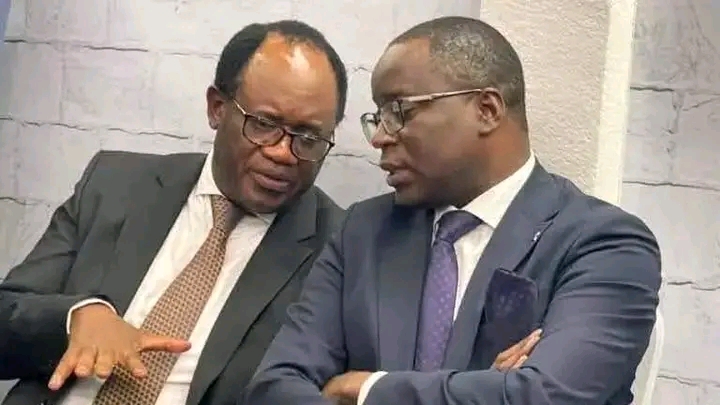
Amnesty International Zambia: Urges Release of 18 Treason Detainees
Summary
- Amnesty International has urged Zambian President Hakainde Hichilema to release 18 opposition members.
- These individuals were detained following Zambia's August 2026 general elections and face treason charges.
- The demand was made in an Urgent Action notice issued by Amnesty International on November 17, 2026.
- Prominent detainees include Ezra Tolopa, Dickson Tembo, Victor Muzyamba, Harry Valden Findlay, Brian Mundubile, and Makebi Zulu.
International Call for Release
Lawyers should monitor these cases for implications on due process, fair trial standards, and the broader political risk landscape for clients operating or involved in Zambian legal matters.
Amnesty International has issued a direct appeal to Zambian President Hakainde Hichilema, urging the immediate release of 18 individuals who were detained following the nation's general elections in August 2026. These individuals, identified as members of the opposition, are currently facing charges of treason, a serious accusation that has drawn international scrutiny.
The human rights organization's demand was formally communicated through an Urgent Action notice dated November 17, 2026. Among the 18 Amnesty International Zambia treason detainees are prominent figures such as Ezra Tolopa, Dickson Tembo, Victor Muzyamba, Harry Valden Findlay, Brian Mundubile, and Makebi Zulu. The call underscores growing concerns regarding the treatment of political opponents in Zambia under President Hichilema's administration, particularly in the aftermath of a national election.
Human Rights and Legal Scrutiny
The issuance of an Urgent Action by Amnesty International signifies the organization's assessment of a grave human rights situation, typically involving individuals at risk of unfair trial, torture, or other severe abuses. The specific nature of the treason charges against these Zambia political detainees raises questions about due process and the potential for politically motivated prosecutions. Treason, a capital offense in many jurisdictions, carries significant legal weight and often attracts intense international attention when applied to political figures.
This development highlights ongoing human rights concerns and potential political pressure regarding the application of treason laws in Zambia. The focus on President Hichilema treason charges against opposition members suggests a broader pattern that human rights advocates are closely monitoring. The involvement of an international body like Amnesty International indicates that these cases are not merely domestic legal matters but have implications for Zambia's international standing and adherence to human rights conventions.
Why It Matters
The call from Amnesty International Urgent Action Zambia for the release of these 18 individuals is a significant indicator of the international community's concern over political freedoms and justice in the country. Such interventions often serve as a barometer for the health of a nation's democratic institutions and its commitment to the rule of law. The continued detention and prosecution of opposition members on treason charges could have lasting effects on Zambia's political landscape and its relationship with international partners.
Lawyers should monitor these cases for implications on due process, fair trial standards, and the broader political risk landscape for clients operating or involved in Zambian legal matters. The outcomes of these proceedings, particularly for individuals like Ezra Tolopa, Brian Mundubile, and Makebi Zulu, will set precedents for how political dissent is handled in Zambia. The international spotlight on these treason charges places additional pressure on the Zambian government to ensure that all legal processes are transparent, fair, and in line with international human rights standards.
Practical Implications
This development highlights ongoing human rights concerns and potential political pressure regarding the application of treason laws in Zambia. Lawyers should monitor these cases for implications on due process, fair trial standards, and the broader political risk landscape for clients operating or involved in Zambian legal matters.
Source
How does this affect you?
Get an AI analysis of this article grounded in your jurisdictions, practice areas, and any policy documents you've uploaded to Wansom.
Finish Reading the Full Story and the Expert Analysis.
Get the latest legal & regulatory intelligence in Zambia
Wansom is AI and can make mistakes.