
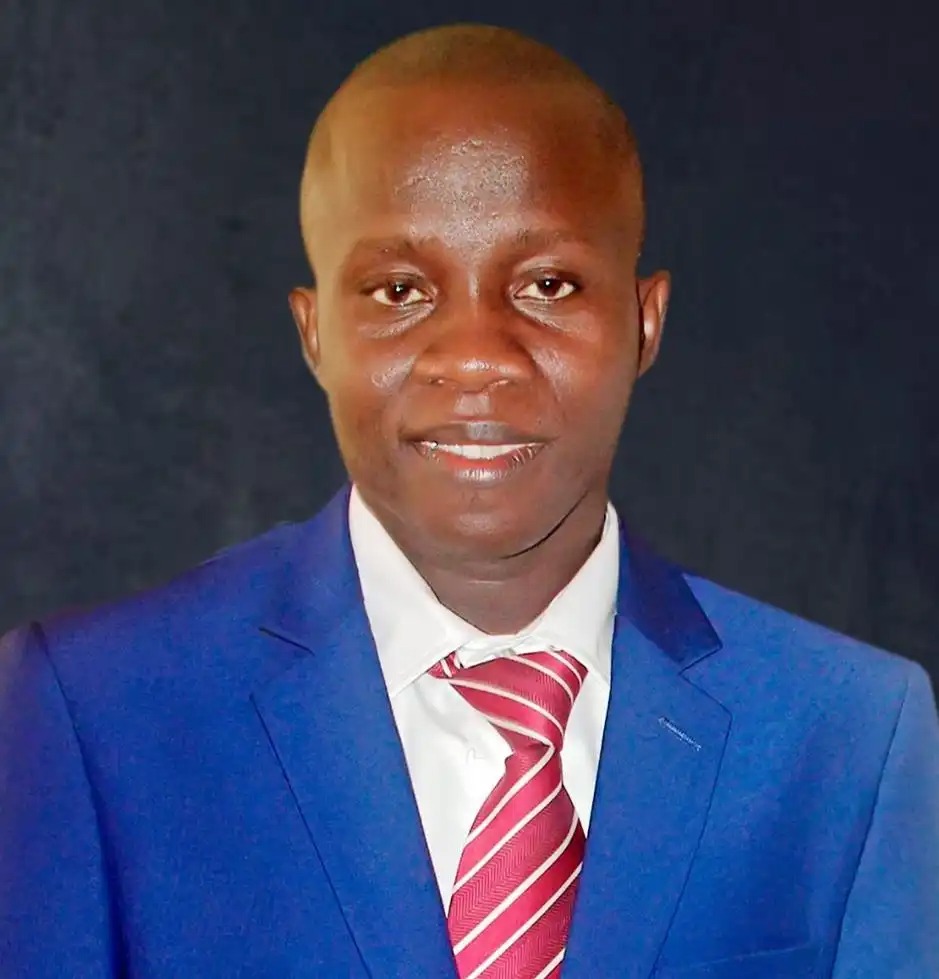
Alphonse Mané Sambou: Calls for Revised 2027 Sénégal Budget Projections
Summary
- Alphonse Mané Sambou, President of Senegal's Finance Committee, has urged the government to revise its 2027 budget projections.
- These projections are currently based on a 2026 rectifying finance law that was rejected by the National Assembly on November 3.
- Deputies cited concerns over the budget's sincerity, including a projected 7.6% GDP deficit and unclear debt sustainability.
- Mané Sambou advocates for using the initial 2026 finance law as the valid foundation for new budget calculations.
- The government could also propose a new rectifying finance law to establish a fresh basis for the 2027 budget.
What Happened
This situation introduces significant uncertainty into Senegal's fiscal planning for 2027, as the foundational figures for the upcoming budget are currently derived from a legislative instrument that has been formally invalidated.
Alphonse Mané Sambou, who presides over the Finance Committee, has formally requested that the Senegalese government revise its financial projections for the 2027 budget. This urgent call stems from the recent rejection of the 2026 rectifying finance law, a legislative act upon which the current 2027 budgetary calculations are based. Mané Sambou emphasized, in comments reported by PressAfrik on TFM, that the indicators underpinning the initial 2027 finance bill project were directly derived from the figures contained within the now-rejected rectifying law.
The legislative setback occurred on November 3, when the National Assembly voted decisively against the rectifying finance law for 2026. The vote saw 109 deputies opposing the measure, with only 20 in favor and 3 abstentions. This rejection followed the adoption of a preliminary question, meaning the substance of the bill was not debated. Consequently, Mané Sambou has advocated for the government to re-establish its 2027 budget projections using the initial 2026 finance law, which he considers the sole currently valid financial legislation.
Disputed Projections
The rejection of the 2026 rectifying finance law was largely driven by significant concerns raised by Pastef deputies, who challenged the veracity of the proposed revenue and expenditure forecasts. These legislators deemed the corrected budget to be "insincere," specifically highlighting a projected deficit of 7.6% of the Gross Domestic Product (GDP) and a perceived lack of clarity regarding the sustainability of the nation's debt. Their contestation thus extended beyond the immediate rectifying law, questioning the fundamental assumptions that would subsequently inform the Alphonse Mané Sambou budget 2027 Sénégal.
In the period leading up to the vote, Prime Minister Ahmadou Alhaminou Mohamed Lô had defended the proposed budgetary adjustments, which included 555 billion CFA francs in spending cuts. He attributed the necessity for these revisions to a downward adjustment in anticipated revenues, explaining that expected funds from the Economic and Social Recovery Program (PRES) had not materialized as projected. The Prime Minister also pointed to projections prepared under the previous government, then led by Ousmane Sonko, as contributing factors to the current fiscal challenges. This ongoing disagreement concerning expected and realized revenues continues to fuel the debate over the appropriate foundation for recalculating the budget.
Navigating the Fiscal Path
Alphonse Mané Sambou clarified that his appeal for a revision of the 2027 budget projections does not constitute a binding obligation on the government. Instead, he framed his intervention as a supportive measure intended to assist the executive branch in navigating the current fiscal uncertainty. He suggested that an alternative course of action for the government could involve submitting a new rectifying finance law before proceeding with the full preparation of the budget. This would provide a fresh and validated set of calculations and indicators to underpin future financial planning.
Mané Sambou further explained the established procedure for budget preparation, noting that in previous years, an initial rectifying law typically served as the basis for the subsequent initial budget. A second rectifying law might then be introduced if actual outcomes diverged significantly from initial forecasts. In the present circumstances, he underscored that no rectifying law has been formally validated, and critically, the one utilized for the current 2027 projections was explicitly rejected by the Assemblée nationale Sénégal loi finances. It is important to recall that the initial 2026 finance law was adopted on December 13, 2025, and a second rectifying finance law for 2025 was voted on December 30 of the same year.
Implications for Senegal's 2027 Fiscal Framework
The rejection of the 2026 rectifying finance law and the subsequent call by Alphonse Mané Sambou for revised projections introduce considerable instability into Senegal's fiscal planning for 2027. The current projections budgétaires 2027 contestées lack a legitimate legislative foundation, necessitating a fundamental recalculation. This situation underscores the critical importance of the loi de finances initiale 2026 as the only currently valid reference point for the government's financial planning. Without a clear and accepted basis, the entire framework for future government spending, revenue collection, and debt management remains in flux.
This development signals significant uncertainty regarding Senegal's 2027 fiscal framework, as budget projections are currently based on a rejected rectifying finance law. The ongoing legislative and political discussions surrounding the rejet loi rectificative 2026 Sénégal will directly influence the economic forecasts and policy decisions for the upcoming year. The government's response to the Finance Committee's recommendations, whether through re-projections based on the initial 2026 law or the introduction of a new rectifying bill, will be crucial in establishing a stable and credible financial outlook for the nation.
Practical Implications
This development signals significant uncertainty regarding Senegal's 2027 fiscal framework, as budget projections are currently based on a rejected rectifying finance law. Lawyers and compliance officers should monitor legislative developments closely for potential revisions to economic forecasts, tax policies, and government spending plans, which could impact client financial planning and regulatory compliance.
Source
How does this affect you?
Get an AI analysis of this article grounded in your jurisdictions, practice areas, and any policy documents you've uploaded to Wansom.
Wansom is AI and can make mistakes.