
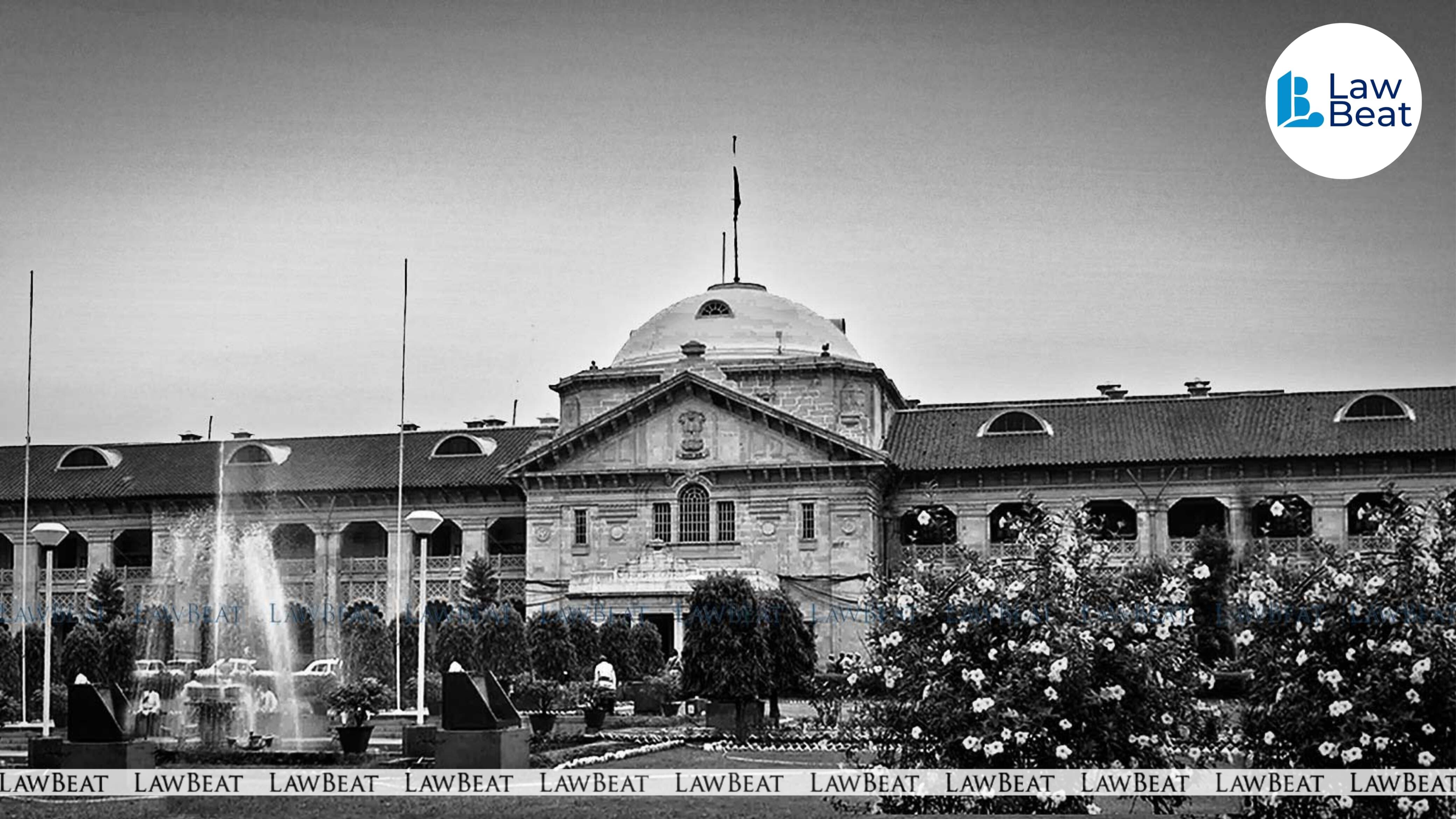
Allahabad High Court: Stays ₹25 Lakh Compensation Order
Summary
- The Allahabad High Court division bench upheld the release of two adult women who voluntarily converted to Islam.
- The women, Anshu Bhatia and Diya Bhatia, alleged their father confined them after their conversions.
- A single judge had previously awarded ₹25 lakh in compensation, holding the father and State jointly liable for unlawful confinement.
- The division bench stayed the ₹25 lakh compensation award, citing a procedural issue where the State was not given an opportunity to be heard.
- The court found the women's statements of voluntary conversion and confinement to be spontaneous and unequivocal.
What Happened
The court's unwavering stance on upholding the women's release, despite the State's allegations of a broader conspiracy, highlights the judiciary's role in safeguarding personal liberty and autonomy, even when faced with sensitive issues like religious conversion.
Two adult women, Anshu Bhatia, approximately 35 years old, and Diya Bhatia, around 20, voluntarily converted to Islam, prompting a legal challenge that reached the Allahabad High Court. Anshu Bhatia adopted Islam in 2020, citing a desire for mental peace, spiritual fulfillment, and inner solace. Diya Bhatia followed suit in 2021. Both women explicitly stated that their conversions were not influenced by inducement, coercion, undue persuasion, or any other external factors.
Following their conversions, the women alleged that their father opposed their new religious choices and subsequently confined them within the family home against their will. Anshu Bhatia reported experiencing physical restraint, intimidation, and mental harassment, while Diya Bhatia similarly claimed her liberty was curtailed due to her decision to embrace a different faith. They further asserted that their father retained various personal documents, including passports, educational certificates, identity documents, bank passbooks, cheque books, and conversion-related papers, along with other belongings.
A habeas corpus petition was filed to secure their release. During these proceedings, the State contended that the alleged conversions were part of a larger, organized conspiracy, potentially involving foreign entities, and argued that releasing the women could impede an ongoing investigation. However, Justice Sandeep, presiding over the single judge bench, conducted independent interactions with both women. Their responses were found to be spontaneous, coherent, and unequivocal, revealing no evidence of coercion, fear, inducement, or undue influence. Consequently, the single judge determined that the women had been unlawfully confined and that their detention by their father, allegedly in collusion with the State, lacked any legal basis. The court then declared the women free to reside "at any place and with any person of their own choice," explicitly prohibiting interference from their father, any other individual, or State authorities. Furthermore, the single judge held both the father and the State jointly and severally liable to pay ₹25 lakh in compensation, to be equally divided between them, within an eight-week period. The order stipulated that the State could recover 50% of this amount from the father and the remaining 50% from any public servant whose actions or omissions contributed to the deprivation of the women's liberty.
The Appeal and Procedural Fairness
The State subsequently lodged a special appeal against the single judge's August 6 judgment before a division bench of the Allahabad High Court, identified as *State of U.P. and 2 others*. This division bench, comprising Chief Justice Arun Bhansali and Justice Kshitij Shailendra, reviewed the case. Critically, the division bench chose not to interfere with the single judge's directive for the immediate release of the two women from their father's custody, affirming this aspect of the ruling at the interim stage. The court found the statements made by Anshu Bhatia and Diya Bhatia before the single judge to be sufficient grounds to uphold their release without further intervention.
However, the division bench identified a significant procedural flaw concerning the ₹25 lakh compensation award. It noted that the State had apparently not been afforded an adequate opportunity to present its arguments or address the issue of compensation before the initial award was made. This procedural oversight became the primary basis for the division bench's decision regarding the financial penalty. Consequently, the court issued a notice specifically on the limited aspect of the compensation. Pending further orders and a proper hearing on this matter, the division bench stayed the ₹25 lakh compensation award that had been levied against the appellants.
Legal Context and Significance
This ruling by the Allahabad High Court division bench underscores several critical legal principles. Firstly, it reaffirms the fundamental right of adult individuals to make voluntary choices regarding their religious conversion, free from coercion or unlawful confinement. The court's unwavering stance on upholding the women's release, despite the State's allegations of a broader conspiracy, highlights the judiciary's role in safeguarding personal liberty and autonomy, even when faced with sensitive issues like religious conversion. The initial finding that the women's detention by their father, potentially with state collusion, was without legal sanction, reinforces the constitutional protections against illegal confinement.
Secondly, the decision to stay the compensation award emphasizes the paramount importance of procedural fairness, particularly when financial penalties are imposed against the State. The division bench's insistence that the State must be given an opportunity to be heard on the compensation issue before such an award is finalized serves as a crucial reminder of due process requirements. This aspect of the judgment ensures that even in cases where individual rights have been violated, the process for determining liability and redress remains equitable and procedurally sound. The case, *State of U.P. and 2 others*, thus provides important guidance on both substantive rights related to religious freedom and the procedural safeguards necessary for state accountability.
Practical Implications
Lawyers should note the Allahabad High Court's emphasis on procedural fairness for compensation awards against the State, particularly the requirement for the State to be heard. This ruling also reinforces the judiciary's protection of adult individuals' right to voluntary religious conversion and freedom from confinement, despite state allegations of conspiracy.
Source
How does this affect you?
Get an AI analysis of this article grounded in your jurisdictions, practice areas, and any policy documents you've uploaded to Wansom.
Finish Reading the Full Story and the Expert Analysis.
Get the latest legal & regulatory intelligence in India
Wansom is AI and can make mistakes.