
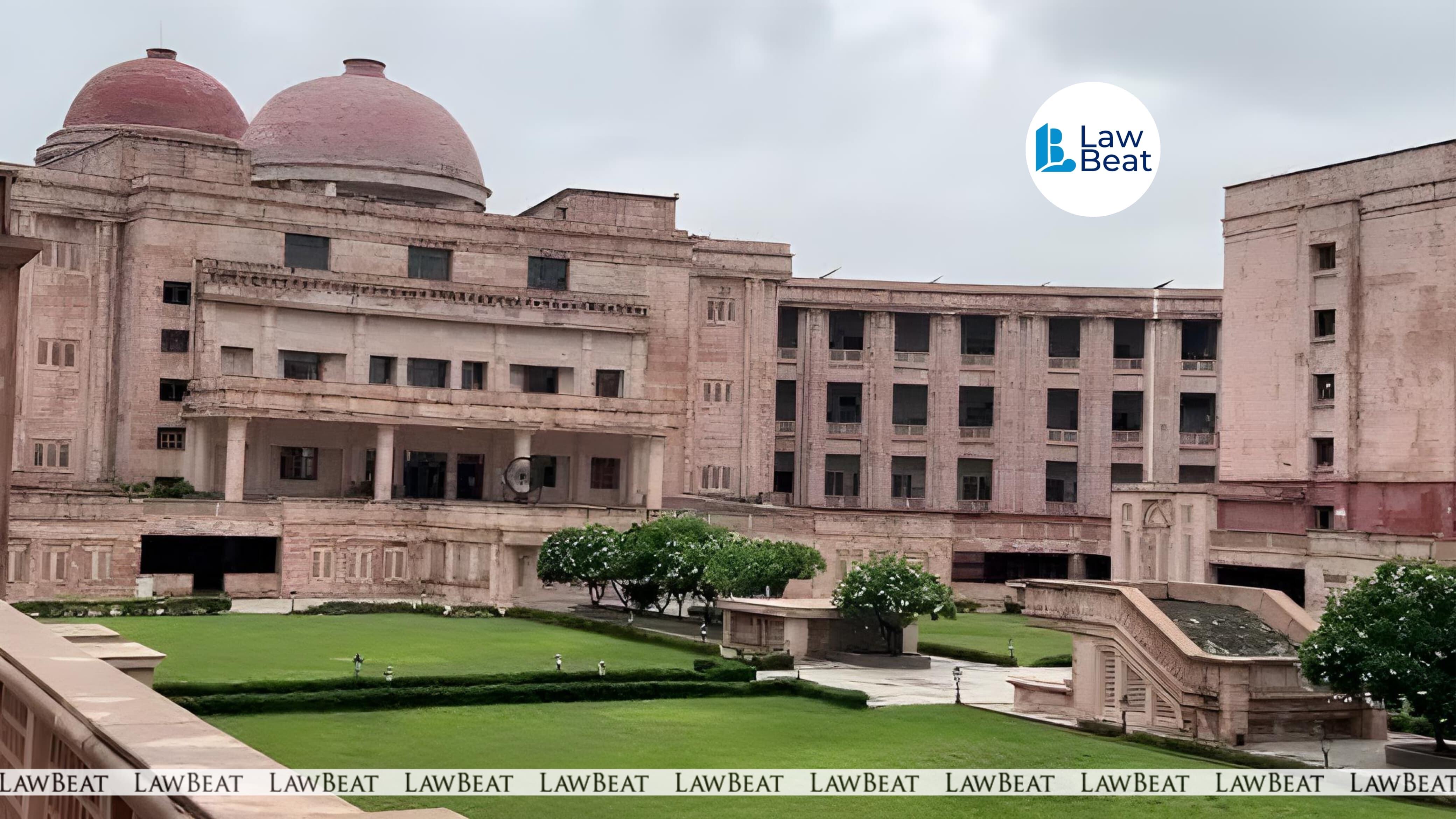
Allahabad HC Protects Remarried Couple From Family Interference
Summary
- The Allahabad High Court protected a couple who remarried after a mutual consent divorce, preventing family interference.
- The couple had two children and divorced over "trivial disputes" before remarrying at an Arya Samaj temple on April 2, 2026.
- The court cited the Supreme Court's 2006 `Lata Singh v. State of U.P.` judgment, affirming an adult's right to choose their spouse.
- The ruling mandates that no private or public person can obstruct the couple's peaceful married life.
- Despite the court's observation about the seriousness of marriage, full protection was granted to the petitioners on September 23, 2026.
The Couple's Plea for Protection
The High Court's decision to grant protection underscores the principle that individuals have the right to live together peacefully as a married couple, free from external interference.
The Allahabad High Court recently intervened to safeguard a couple who had remarried after a previous divorce, directing that no individual, whether private or public, should interfere with their peaceful marital life. This significant ruling, issued by a division bench comprising Justices Rajesh Singh Chauhan and Ram Manohar Narayan Mishra, came in response to a plea seeking judicial protection against potential obstruction from family members. The case, titled `Roopa Rani & Another v. State of U.P. Through Principal Secretary, Home & 3 Others`, highlights the court's commitment to protecting marital autonomy, even in complex family situations.
The petitioners had initially been married to each other and had two children. Following what the High Court characterized as “trivial disputes,” they opted for a mutual consent divorce, obtaining a decree under Section 13B of the Hindu Marriage Act. However, after a period, they decided to remarry, stating it was “in the interest of entire family,” and solemnized their union at an Arya Samaj temple on April 2, 2026. Documents, including their marriage certificate, were presented to the court to substantiate their remarriage.
The couple sought judicial intervention due to apprehension that the father of one of the petitioners, who disapproved of their remarriage, might disrupt their peaceful life. They informed the court that these facts were undisputed, and supporting documentation had been duly filed. The High Court's decision to grant protection underscores the principle that individuals have the right to live together peacefully as a married couple, free from external interference, a stance that reinforces the `Allahabad HC protects remarried couple family interference` narrative.
Upholding Marital Autonomy
In its deliberation, the High Court affirmed that since the petitioners were previously married, had children, underwent a mutual divorce, and subsequently remarried, they were fully entitled to protection from any form of interference in their shared life. The bench explicitly stated that no one, irrespective of their status as a private citizen or a public official, could create any hindrance to their peaceful coexistence. This declaration firmly establishes the `Roopa Rani v. State of U.P. protection` for remarried couples.
Central to the High Court's decision was its reliance on the Supreme Court's landmark 2006 judgment in `Lata Singh v. State of U.P.`. This `Lata Singh v. State of U.P. precedent` unequivocally established the `adult right to marry India`, affirming that any adult individual possesses the freedom to choose their life partner. The Supreme Court had further mandated that police and administrative authorities must ensure that adult couples are not subjected to harassment, threats, or violence simply because of their marriage.
The apex court's ruling in `Lata Singh` also clarified that while parents might disapprove of an adult child's marriage and choose to sever social ties, they are strictly prohibited from threatening the couple or instigating acts of violence against them. Furthermore, it directed law enforcement to initiate criminal proceedings against any persons found to be threatening, harassing, or perpetrating violence against such couples. This robust legal framework underpins the High Court's current directive, ensuring comprehensive protection for the remarried couple.
Broader Implications and Judicial Observations
This ruling by the Allahabad High Court significantly reinforces the legal safeguards available to couples in India, particularly those who have navigated complex marital histories involving `mutual consent divorce remarriage protection`. It underscores the judiciary's consistent stance on upholding the autonomy of adults to make their own marital choices, free from familial or societal coercion. The court's clear directive against interference from any person, public or private, sends a strong message regarding the inviolability of a couple's right to a peaceful married life.
However, while extending protection, the High Court also made a notable observation regarding the couple's journey. The bench commented that the “pious institution of marriage should not be taken lightly,” expressing that the act of obtaining a mutual divorce over “some trivial dispute” and then remarrying, especially when children are involved, represented “really a sorry state of affairs.” This remark, while not impacting the legal protection granted, offers a judicial perspective on the seriousness with which marital decisions should be approached.
Despite these cautionary words, the High Court explicitly clarified that the protection derived from the Supreme Court's ruling in `Lata Singh` would unequivocally remain available to the petitioners. The writ petition was subsequently disposed of on September 23, 2026, solidifying the couple's right to live without interference. This case, therefore, serves as a crucial reminder of the `Section 13B Hindu Marriage Act implications` for divorce and remarriage, balanced against the fundamental right to choose one's spouse and live in peace.
Practical Implications
This ruling reinforces the Supreme Court's precedent in Lata Singh, affirming the right of adult couples to marry and live peacefully without interference, even after a previous divorce and remarriage. Lawyers advising clients on family disputes or seeking protection for couples facing external interference in their marital life can cite this decision to uphold marital autonomy and seek judicial intervention against harassment.
Source
How does this affect you?
Get an AI analysis of this article grounded in your jurisdictions, practice areas, and any policy documents you've uploaded to Wansom.
Finish Reading the Full Story and the Expert Analysis.
Get the latest legal & regulatory intelligence in India
Wansom is AI and can make mistakes.