
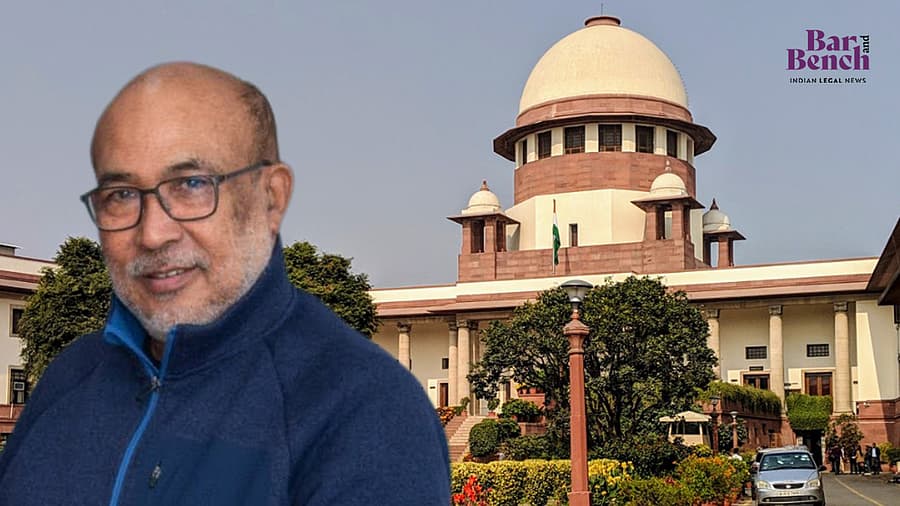
Supreme Court: Centre Confirms Biren Singh Audio Manipulation
Summary
- The Central government informed the Supreme Court that audio recordings allegedly linking former Manipur CM N. Biren Singh to ethnic violence were "clearly manipulated."
- This submission followed a report from the National Forensic Sciences University (NFSU) indicating "multiple alterations" in the audio clips.
- An extended audio clip, recently submitted by the petitioner, reportedly contained 41 alterations.
- The Kuki Organisation for Human Rights Trust had filed a petition alleging Biren Singh admitted to fueling insurgency and protecting arms looters in the recordings.
- Additional Solicitor General Aishwarya Bhati urged the Supreme Court to dismiss the petition with costs.
Central Government Alleges Audio Manipulation in Supreme Court
This case highlights the critical importance of rigorous forensic authentication for digital evidence, particularly audio recordings, when presented in high-stakes litigation before the Supreme Court.
The Central government recently informed the Supreme Court that audio recordings, which purportedly link former Manipur Chief Minister N. Biren Singh to the ongoing ethnic violence in the state, have been "clearly manipulated." This significant submission was made on Friday before a bench comprising Justices Sanjay Kumar and Sanjeev Sachdeva. Additional Solicitor General (ASG) Aishwarya Bhati presented the Centre's position, asserting the manipulated nature of the evidence in the case of *Kuki Organisation for Human Rights Trust v. Union of India*.
The declaration came after a crucial report concerning the authenticity of the audio clip was formally placed on record by the National Forensic Sciences University (NFSU) in Gandhinagar, Gujarat. The Centre's stance directly challenges the evidentiary value of the recordings, which have been central to allegations against the former Chief Minister regarding his role in the unrest.
Forensic Report Details "Multiple Alterations"
ASG Bhati elaborated on the findings from the forensic lab, stating unequivocally that the NFSU report indicated the recordings contained "multiple alterations." This expert assessment forms the bedrock of the Centre's argument for dismissing the petition. Further underscoring the alleged fabrication, Bhati informed the Court about an "extended audio clip" that the petitioner had recently submitted.
This extended version, she noted, was reported to contain as many as "41 alterations." She highlighted specific inconsistencies, observing "same variations... same van... same lady" across the alleged manipulations, reinforcing the claim that the audio evidence had been tampered with. The detailed forensic analysis thus casts serious doubt on the N. Biren Singh audio clip authenticity.
Petitioner's Allegations and Call for Dismissal
The petition, filed by the Kuki Organisation for Human Rights Trust, presents grave allegations against the former Chief Minister. It claims that N. Biren Singh admitted in an audio recording to having "fuelled insurgency and protected those who looted the arms" during the Manipur violence. These serious accusations are now directly contradicted by the Central government's forensic evidence.
Given the forensic findings, ASG Bhati strongly urged the Supreme Court to dismiss the writ petition, advocating for its dismissal "with costs." She also mentioned having communicated with a "CFSL doctor" who provided a corroborating letter, further supporting the Centre's stance on the audio's inauthenticity and the need for the petition to be rejected.
Implications for Digital Evidence in High Courts
This development, centered on the Biren Singh audio manipulation before the Supreme Court, underscores the critical importance of forensic authentication for digital evidence, particularly audio recordings, in high-stakes litigation. The Court's reliance on expert findings from institutions like the NFSU highlights the rigorous scrutiny such evidence undergoes, especially when it pertains to sensitive political figures and widespread societal conflict.
For legal practitioners, this case serves as a stark reminder that the authenticity of digital evidence must be meticulously prepared for, whether challenging its veracity or defending its integrity. The outcome of this particular aspect of *Kuki Organisation for Human Rights Trust v Union of India* could significantly influence how alleged audio evidence, especially in politically sensitive contexts, is evaluated and admitted in future judicial proceedings, emphasizing the need for robust expert reports in the face of claims of Supreme Court audio evidence manipulation.
Practical Implications
This development underscores the critical importance of forensic authentication for digital evidence, particularly audio recordings, in high-stakes litigation before the Supreme Court. Lawyers must be prepared to challenge or defend the authenticity of such evidence using expert forensic reports, as the Court will consider findings from bodies like NFSU when assessing evidentiary value.
Source
How does this affect your business?
Get an AI analysis of this article grounded in your jurisdictions, practice areas, and any policy documents you've uploaded to Wansom.
Wansom is AI and can make mistakes.