
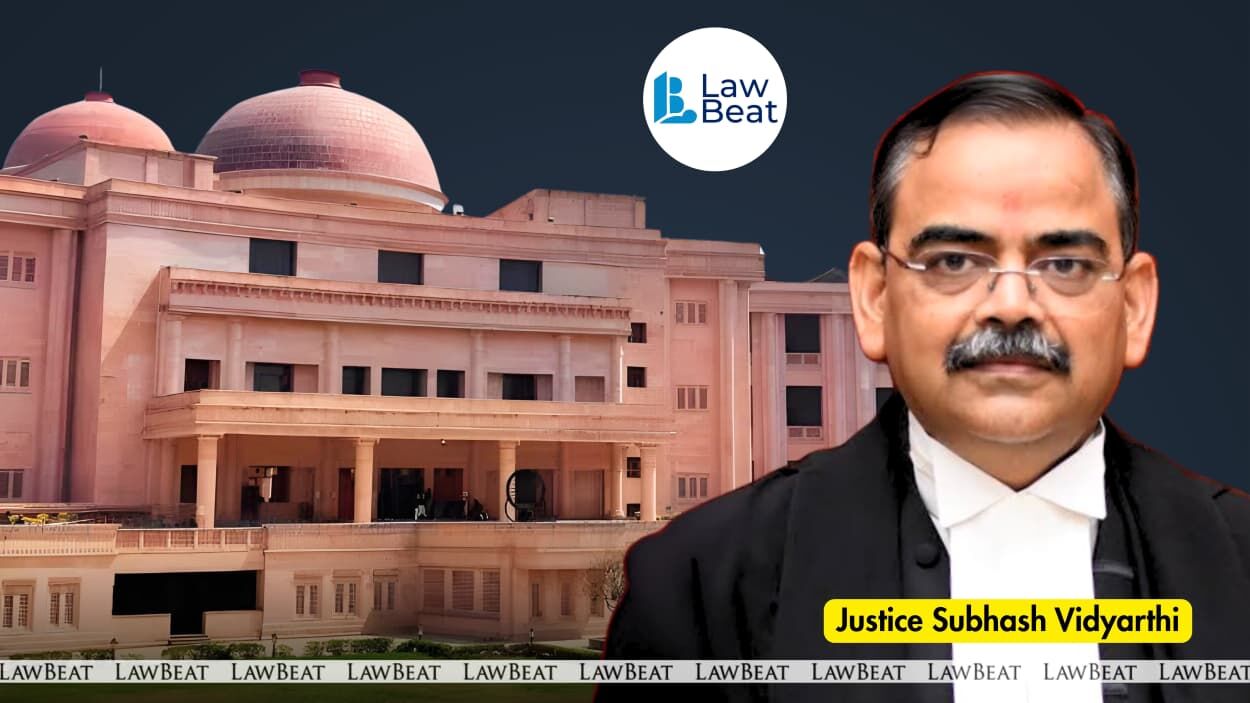
Allahabad High Court: Adult Woman's Right to Choose Partner Affirmed
Summary
- The Allahabad High Court affirmed an adult woman's right to choose her partner and residence, even against parental objections.
- Justice Subhash Vidyarthi ordered the release of Princy, a Hindu woman, from her father's custody, allowing her to live with her Sikh partner, Gurpreet Singh, following a habeas corpus petition.
- The court rejected the father's challenge to the couple's interfaith marriage validity, stating it was irrelevant to the habeas corpus proceedings when the parties themselves affirmed their union.
- The ruling emphasized that legal precedents must be applied within their specific factual contexts, distinguishing previous cases cited by the father regarding Hindu marriage saptapadi validity.
- This decision reinforces Supreme Court judgments on adult autonomy, including *Soni Gerry v. Gerry Douglas* and *Shafin Jahan v. Asokan K.M.*, clarifying the limited scope of habeas corpus in protecting personal liberty.
Case Background and Initial Events
Regardless of the marriage's validity, Princy, as an adult woman, possessed the inherent legal right to choose not to reside with her father, and he could not compel her to live with him.
The Allahabad High Court recently affirmed the fundamental right of an adult woman to choose her partner and residence, dismissing a father's objections in a significant habeas corpus petition. The ruling, delivered by Justice Subhash Vidyarthi on September 11, centered on the case of Princy, a Hindu woman, and her Sikh partner, Gurpreet Singh. The couple's relationship began through social media in February 2025, leading Princy to leave her parental home on September 19, 2025, to live with Gurpreet in Noida. They claimed to have married at a temple in Noida on November 4, 2025, subsequently residing together as husband and wife.
Princy's family, who opposed the interfaith relationship, later called her home for Rakshabandhan. According to the petition filed by Gurpreet Singh, Princy was then detained by her father and other family members. During her alleged detention, Princy sent messages to Gurpreet, detailing assault and harassment and pleading for his intervention. After Gurpreet's attempts to seek police assistance proved unsuccessful, he approached the High Court with a habeas corpus plea on Princy's behalf. Upon her production before the court, Princy unequivocally stated her desire to live with Gurpreet and confirmed her father was preventing her from doing so. The court promptly ordered her release from her father's custody, after which she joined Gurpreet Singh.
Legal Challenge and Judicial Response
Princy's father contested the habeas corpus petition, primarily challenging the validity of the couple's marriage. He argued that the absence of *saptapadi*, the ritual of seven steps around the sacred fire, rendered their Hindu marriage invalid. To support his contention, the father cited previous Allahabad High Court judgments, specifically *Shruti Agnihotri v. Anand Kumar Srivastava* (2024) and *Manoj Kumar Gupta v. State of U.P.* (2006), which had addressed the ceremonial requirements for a valid Hindu marriage.
However, Justice Vidyarthi's ruling meticulously distinguished these precedents, noting that they arose from "materially different facts." In the cited cases, the alleged wife herself had either denied or disputed the marriage. Crucially, in Princy's situation, she consistently affirmed her marriage to Gurpreet and expressed her clear intention to live with him. The court emphasized that legal precedents must be applied within their specific factual contexts and should not be treated as statutory provisions, thereby rejecting the father's attempt to invalidate the marriage based on ceremonial technicalities when the parties themselves acknowledged it.
Upholding Adult Autonomy and Habeas Corpus Scope
The High Court clarified that the validity of Princy's marriage was not the central question to be determined within the habeas corpus proceedings. Justice Vidyarthi stated that when the parties to a marriage do not dispute its validity, the court cannot delve into such a factual dispute raised by a third party, like the father. The pivotal aspect of the ruling was the affirmation that regardless of the marriage's validity, Princy, as an adult woman, possessed the inherent legal right to choose not to reside with her father, and he could not compel her to live with him. This principle underscores the Allahabad High Court adult woman right to choose partner.
This judicial stance aligns with established Supreme Court precedents, including *Soni Gerry v. Gerry Douglas* (2018) and *Shafin Jahan v. Asokan K.M.* (2018), which unequivocally recognize an adult's autonomy, particularly concerning personal relationships and residence. The court reiterated that the primary role of a habeas corpus proceeding is to ensure the production of the individual, ascertain their independent choice, and secure their release from any illegal restraint. Once the individual's free will is established, the scope of the inquiry is largely fulfilled, reinforcing the limited yet crucial application of habeas corpus in protecting personal liberty.
Broader Implications for Personal Liberty
This judgment by the Allahabad High Court significantly reinforces the legal framework protecting individual autonomy, particularly for adult women in India, concerning their choice of partner and residence. The ruling sends a clear message against parental interference in the personal lives of adult children, especially in matters of interfaith marriage India autonomy. By emphasizing that precedents must be understood in their factual context, Justice Subhash Vidyarthi's ruling also provides important guidance for legal practitioners, highlighting the need for careful application of case law rather than a blanket interpretation.
The case of Princy and Gurpreet Singh, and the court's decisive action, underscores the judiciary's strong commitment to upholding the constitutional rights of adults to make their own life decisions. It serves as a vital reminder that an adult woman's right to choose whom to live with is paramount, irrespective of familial objections or challenges to the technical validity of a marriage, especially when the individuals involved affirm their union. This decision further solidifies the principle that personal liberty and self-determination are fundamental, even when faced with societal or familial pressures.
Practical Implications
This judgment reinforces the legal precedent for adult autonomy in India, particularly for women choosing partners and residence, and clarifies the limited scope of habeas corpus in such matters. Lawyers should advise clients on the strong judicial stance against parental interference in adult relationships and the importance of factual context when citing marriage validity precedents.
Source
Source: Original reporting via LawBeat
How does this affect you?
Get an AI analysis of this article grounded in your jurisdictions, practice areas, and any policy documents you've uploaded to Wansom.
Finish Reading the Full Story and the Expert Analysis.
Get the latest legal & regulatory intelligence in India
Wansom is AI and can make mistakes.