
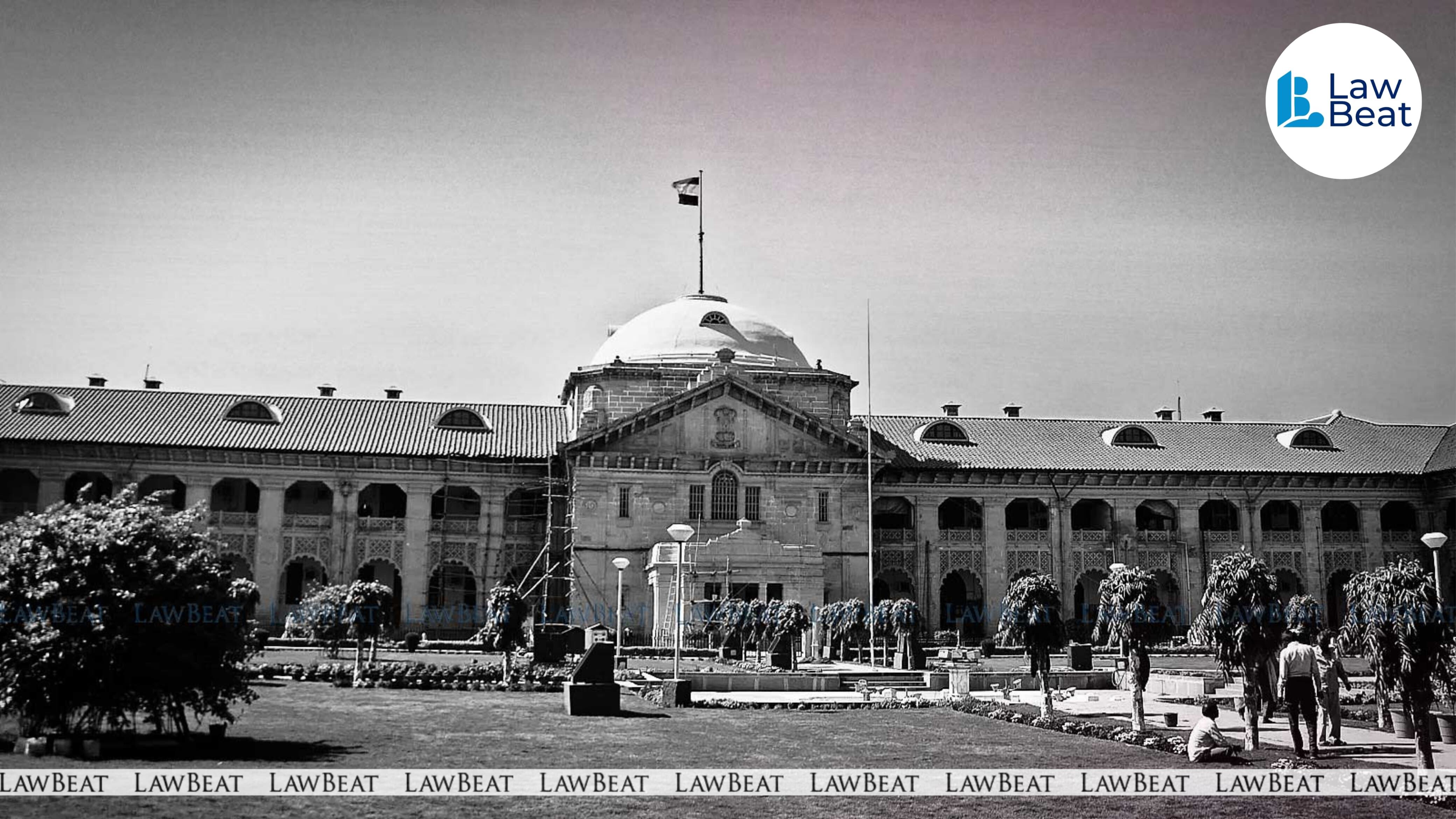
Allahabad HC: Quashes COVID Negative Test Case, Citing Abuse of Process
Summary
- The Allahabad High Court quashed criminal proceedings against two men booked for alleged COVID-19 risk.
- The men were accused of returning from Delhi's Nizamuddin Markaz and potentially spreading the virus.
- Crucially, their COVID-19 tests had subsequently returned negative, a fact undisputed by the State.
- The court ruled that the case was based on mere apprehension and constituted an abuse of the judicial process and law.
- Charges included IPC sections 188, 269, 307, and provisions of the Disaster Management and Epidemic Diseases Acts.
High Court Intervention
The court unequivocally stated that allowing such proceedings to continue would amount to an abuse of the judicial process and the law itself.
The Allahabad High Court has decisively quashed criminal proceedings against two individuals who faced charges related to alleged COVID-19 infection risk, despite their subsequent negative test results. Justice Dr. Gautam Chowdhary, in an order issued on September 18, found that the prosecution was based solely on an apprehension of potential infection and transmission, rather than concrete evidence. This ruling effectively brings an end to the entire proceedings that were pending before the Additional Chief Judicial Magistrate, Court No. 2, Jaunpur, stemming from an FIR lodged in April 2020.
The court's decision highlights a critical aspect of legal due process, emphasizing that mere suspicion, particularly when contradicted by medical facts, cannot sustain criminal charges. The Allahabad HC quashes COVID negative test case, underscoring the principle that continuing such a prosecution would constitute a clear abuse of the judicial system and the law itself. This outcome provides significant relief to the two men, who had been embroiled in legal battles since the early days of the pandemic.
Genesis of the Charges
The initial First Information Report (FIR) was registered on April 2, 2020, at the Shahganj police station in Jaunpur. The charges against the two men were extensive, encompassing Sections 188, 269, and 307 of the Indian Penal Code (IPC), along with Section 51(b) of the Disaster Management Act, 2005, and Section 3 of the Epidemic Diseases Act, 1897. The FIR alleged that the individuals had traveled to Delhi's Hazrat Nizamuddin Markaz for a religious gathering and, upon their return to Uttar Pradesh, were residing at their homes with family members in a "secret" manner.
Police asserted an apprehension that the men could have been infected with the coronavirus and, consequently, posed a risk of infecting others. While the applicants reportedly admitted to their travel to Delhi for the gathering, they were medically examined and sent to a quarantine centre *before* the FIR was even registered. Subsequently, the investigating agency recorded statements from police personnel and the examining doctor, leading to the filing of a charge sheet on May 8, 2020. The trial court then took cognizance of the matter and summoned the applicants on December 15, 2020, initiating the formal legal process that the Allahabad High Court has now halted.
Judicial Scrutiny and Abuse of Process
In their petition to the High Court, the applicants contended that the case against them was predicated on false and frivolous allegations. They pointed out the undeniable fact that despite undergoing medical examination and quarantine, their coronavirus tests had yielded negative results. The State, notably, did not dispute these factual assertions during the proceedings. The High Court, after a thorough review of the evidence on record, concluded that the FIR had been lodged purely on the apprehension that the applicants "may be infected with corona virus" and could potentially transmit it, a presumption directly contradicted by their negative test outcomes.
The court made strong observations, declaring it "crystal clear" that the applicants had been falsely implicated through "false and frivolous allegations" based on "presumption and assumption." It further found that the proceedings were motivated by "ulterior motive and malafide intently." The court unequivocally stated that allowing such proceedings to continue would amount to an abuse of the judicial process and the law itself, concluding that no prosecution could legitimately proceed under such circumstances. This decision aligns with the principles laid down by the Supreme Court in *State of Haryana v. Ch. Bhajan Lal*, a precedent that outlines categories where constitutional or inherent powers can be invoked to quash criminal proceedings, particularly when allegations, even if accepted, do not constitute an offense or are manifestly attended with malafide intent, as was determined in this Nizamuddin Markaz COVID case quashed by the Allahabad High Court.
Practical Implications
This ruling provides a strong precedent for challenging criminal proceedings initiated during the COVID-19 pandemic based on mere apprehension of infection, particularly when individuals tested negative. Lawyers can cite this to argue against abuse of process and for quashing cases lacking concrete evidence, especially under IPC sections 188, 269, 307, and the Disaster Management/Epidemic Diseases Acts.
Source
How does this affect you?
Get an AI analysis of this article grounded in your jurisdictions, practice areas, and any policy documents you've uploaded to Wansom.
Finish Reading the Full Story and the Expert Analysis.
Get the latest legal & regulatory intelligence in India
Wansom is AI and can make mistakes.