
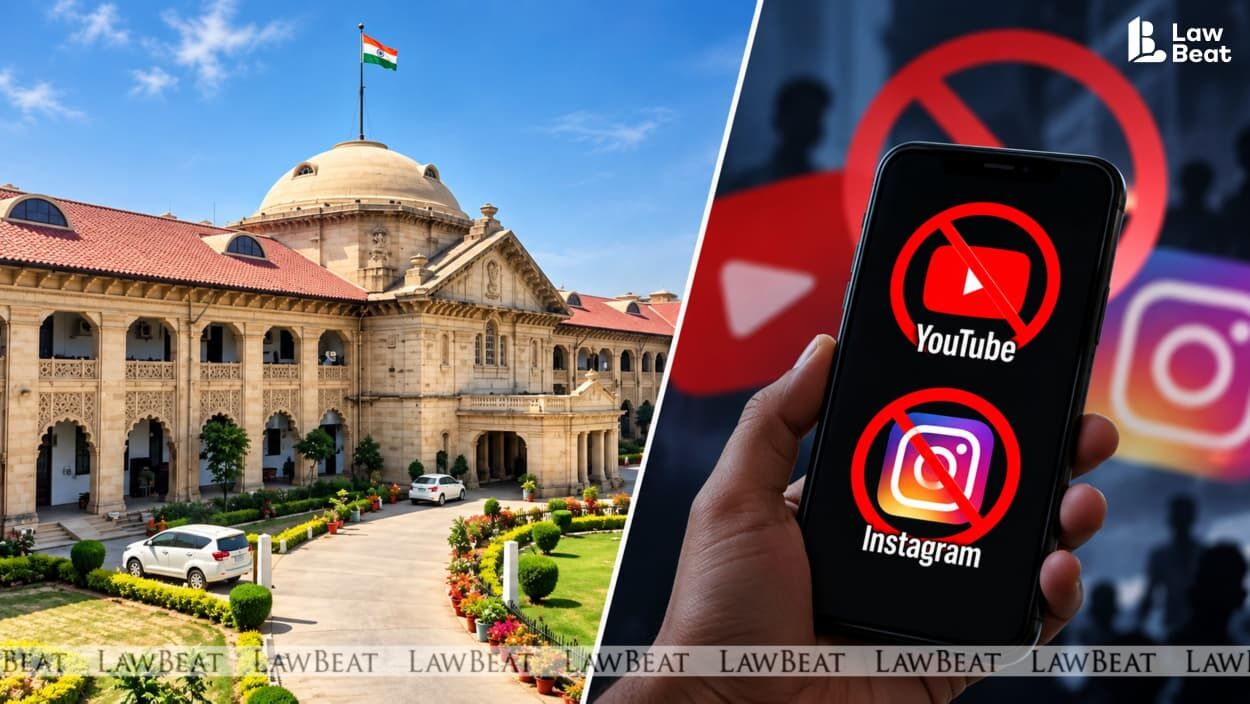
Allahabad HC: Judicial Officer Social Media Restrictions Imposed
Summary
- The Allahabad High Court has issued seven new social media restrictions for its judicial officers and staff, effective October 27.
- These rules prohibit recording or sharing courtroom proceedings, official premises, and work-related content on personal digital platforms.
- Judicial personnel are barred from engaging in political posts, online campaigns, or monetizing social media accounts through official work.
- The directives, which aim to address "contemporary digital vulnerabilities," warn that any violation will result in immediate disciplinary action.
- Official court information can only be disseminated through authorized channels, preventing individual employees from acting as independent publishers.
New Social Media Directives
The Allahabad High Court has implemented a comprehensive set of social media restrictions for its judicial officers and staff, aiming to mitigate "contemporary digital vulnerabilities" and uphold institutional decorum.
The Allahabad High Court has implemented a comprehensive set of social media restrictions for its judicial officers and staff, aiming to mitigate "contemporary digital vulnerabilities" and uphold institutional decorum. These new directives, formalized in an office memorandum issued on October 27, follow specific orders from the Chief Justice on October 26. The regulations apply broadly to judicial officers, officials, and employees across the High Court, including its Lucknow Bench, and the entire district judiciary.
This significant policy shift introduces seven distinct prohibitions governing online conduct. The High Court has explicitly warned that any breach of these newly established Allahabad HC judicial officer social media restrictions will result in immediate disciplinary action. The overarching goal is to ensure that the digital activities of judicial personnel do not compromise the integrity or perceived impartiality of the judiciary.
Scope of Prohibited Digital Conduct
Among the key prohibitions is a stringent courtroom video ban for judicial officers and staff. Personnel are now forbidden from recording, uploading, broadcasting, or streaming any videos, photographs, or audio clips related to courtroom proceedings, official functions, or court premises—including office interiors, corridors, judges' chambers, and residential offices—on their personal digital platforms. This extends to any material obtained during official duties or recorded within court complexes.
Furthermore, the Allahabad High Court social media rules also prevent judicial officers and staff from utilizing social media accounts operated by family members, relatives, associates, or other third parties to disseminate official information or content pertaining to their work. Judicial personnel are also instructed to actively discourage their family members from posting or sharing details about institutional privileges acquired through their association with the judiciary, reinforcing the comprehensive nature of this judicial staff social media policy India.
Political Engagement and Financial Restrictions
In adherence to Rule 5 of the Uttar Pradesh Government Servants Conduct Rules, 1956, the High Court has instituted a strict political posts ban for judicial staff. This prohibits any judicial officer, official, or employee from posting, promoting, or amplifying any political agenda, party, or candidate. The ban encompasses online political campaigns, partisan hashtags, and participation in public debates concerning government actions, legislative policies, or elections. It further extends to activities such as liking, reposting, sharing, or commenting on content deemed "highly volatile or politically charged."
Additionally, complying with Rule 15 of the 1956 Rules, the court has introduced a prohibition against monetizing social media judicial employees' accounts. Judicial personnel are restricted from earning money through social media using material related to their official work. This includes activating monetization features, accepting corporate sponsorships, or receiving advertising revenue. The memorandum clarifies that monetizing personal YouTube channels, public blogs, or Instagram profiles with content derived from official duties or recorded within court complexes will be considered "engaging in unapproved private trade or employment," with any such revenue triggering immediate disciplinary action for major penalties.
Controlled Information Dissemination and Broader Implications
The new directives also mandate that official media updates, public notifications, and educational material related to court operations must only be issued through authorized channels, such as the official media cell, the relevant section of the High Court or district court, or other authorized personnel. No individual judicial officer, official, or Class-IV employee is permitted to act as an independent publisher of institutional work. An exception is made for official documents, notifications, or institutional information that has been expressly approved by the competent authority for public dissemination or wider circulation.
While these stringent Allahabad HC judicial officer social media restrictions are directly applicable to judicial officers and staff, they signal the Allahabad High Court's firm stance on digital conduct within the judiciary. Legal practitioners should be mindful of these evolving expectations regarding professional digital decorum, as similar principles may eventually extend to lawyers interacting with the court system or handling sensitive case information, underscoring a broader trend towards stricter online accountability for all legal professionals.
Practical Implications
While directly applicable to judicial officers and staff, this ruling signals the Allahabad High Court's stringent stance on digital conduct and social media use within the judiciary. Lawyers should be mindful of these evolving expectations regarding professional digital decorum, as similar principles may eventually extend to legal practitioners interacting with the court system or handling sensitive case information.
Source
How does this affect you?
Get an AI analysis of this article grounded in your jurisdictions, practice areas, and any policy documents you've uploaded to Wansom.
Finish Reading the Full Story and the Expert Analysis.
Wansom is AI and can make mistakes.