
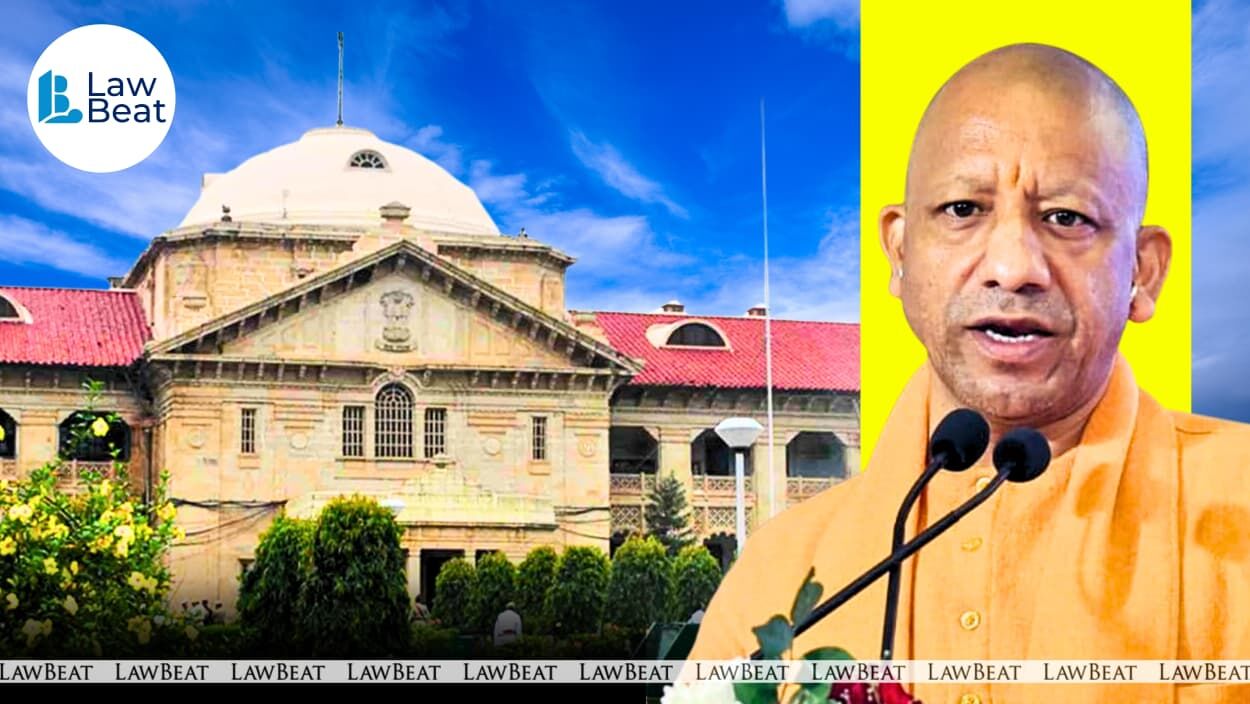
Allahabad High Court: Grants Bail to Mubarak Ali Over Yogi Email
Summary
- The Allahabad High Court granted bail to Mubarak Ali, who was accused of sending a derogatory email against Uttar Pradesh Chief Minister Yogi Adityanath.
- Ali had been in custody since March 20, 2024, facing charges under multiple IPC sections and Section 66 of the IT Act.
- The court cited Ali's prolonged incarceration and the slow pace of the trial, noting only four out of 30 potential witnesses had been examined by July 2026.
- Justice Krishan Pahal emphasized that criminal antecedents alone do not bar bail if other conditions are met and the history is adequately explained.
- Bail was granted with standard conditions, including furnishing a bond and sureties, and without expressing an opinion on the case's merits.
High Court Grants Bail
This decision, particularly its emphasis on the slow trial pace and prolonged custody, offers a significant precedent for India's criminal justice system, highlighting the importance of a speedy trial as a fundamental right.
The Allahabad High Court has granted bail to Mubarak Ali, who faced allegations of sending an email containing derogatory remarks targeting Uttar Pradesh Chief Minister Yogi Adityanath. Justice Krishan Pahal issued the order on September 3, 2026, after considering the duration of Ali's incarceration, the progress of the trial, and the evidence presented. Ali has been held in custody since March 20, 2024, in connection with a case registered at Bhitauli police station in Maharajganj.
The accusations against Ali stem from an alleged attempt to resolve a separate matter with police informant Jannatunnisha by sending the controversial email. He was charged under multiple sections of the Indian Penal Code (IPC), specifically 153A, 295A, 505(2), 504, 419, 420, 467, 468, 471, and 120-B, alongside Section 66 of the Information Technology Act. This decision by the Allahabad High Court to grant bail in a case involving such serious charges and a prominent political figure highlights crucial aspects of India's criminal bail jurisprudence.
Allegations and Defense Arguments
According to the judgment, the core allegation against Mubarak Ali was that he dispatched an email containing offensive comments directed at the Uttar Pradesh Chief Minister. This action was purportedly undertaken to influence a case involving a police informant named Jannatunnisha. The state's opposition to the bail application underscored the gravity with which these charges were viewed.
However, Ali's legal counsel vehemently denied these accusations, asserting that his client had been falsely implicated in the matter. The defense also contested the claim that Ali had utilized a specific mobile number linked to the case. While acknowledging a prior criminal case in Ali's history, his counsel provided an explanation for it, arguing that it should not impede the current bail application. A central point of the defense's argument was the significant period Ali had already spent in custody since March 20, 2024, coupled with the exceedingly slow pace of the ongoing trial.
Court's Rationale for Release
In its deliberation, the Allahabad High Court placed significant emphasis on two primary factors: the extensive period Mubarak Ali had already spent in jail and the notably slow progression of the trial proceedings. The court had requested a status report on the trial's advancement, which, as of July 23, 2026, indicated that only four witnesses had been examined. This report further revealed that a substantial number of witnesses, specifically 26, were yet to be identified in the final report or charge sheet, underscoring the protracted nature of the legal process.
Justice Pahal's bench specifically observed that an accused person should not be kept incarcerated solely on the basis of their criminal antecedents if other conditions for bail are met. The court noted that Ali's criminal history had been "properly explained" by his counsel, suggesting that it did not present an insurmountable obstacle to his release. This ruling reinforces the principle that prolonged detention without a swift trial can be a compelling ground for granting bail, even in cases involving serious charges.
Conditions of Release and Broader Implications
Following a comprehensive review of the submissions from both the prosecution and the defense, the evidence on record, Ali's period of incarceration, and the trial's speed, the court concluded that a prima facie case for bail had been established. Consequently, Ali's bail application was approved, subject to specific conditions. He is required to furnish a personal bond and two sureties of an equivalent amount, to the satisfaction of the concerned court.
Furthermore, the High Court stipulated that Ali must not tamper with evidence, intimidate witnesses, or fail to appear before the trial court when required. Any violation of these conditions could lead to the cancellation of his bail. The court also clarified that its observations made during the bail grant would not influence the trial court's independent assessment of the evidence and witness testimonies, explicitly stating that the order was passed "without expressing any opinion on the merits of the case." This decision, particularly its emphasis on the slow trial pace and prolonged custody, offers a significant precedent for India's criminal justice system, highlighting the importance of a speedy trial as a fundamental right.
Practical Implications
This ruling provides a significant precedent for lawyers arguing bail applications in India, particularly by emphasizing that prolonged incarceration and a slow trial pace can be grounds for bail, even in cases involving serious charges and a prior criminal history. It reinforces the importance of the right to a speedy trial and offers a basis to challenge continued detention when trials are unduly delayed.
Source
How does this affect you?
Get an AI analysis of this article grounded in your jurisdictions, practice areas, and any policy documents you've uploaded to Wansom.
Finish Reading the Full Story and the Expert Analysis.
Get the latest legal & regulatory intelligence in India
Wansom is AI and can make mistakes.