
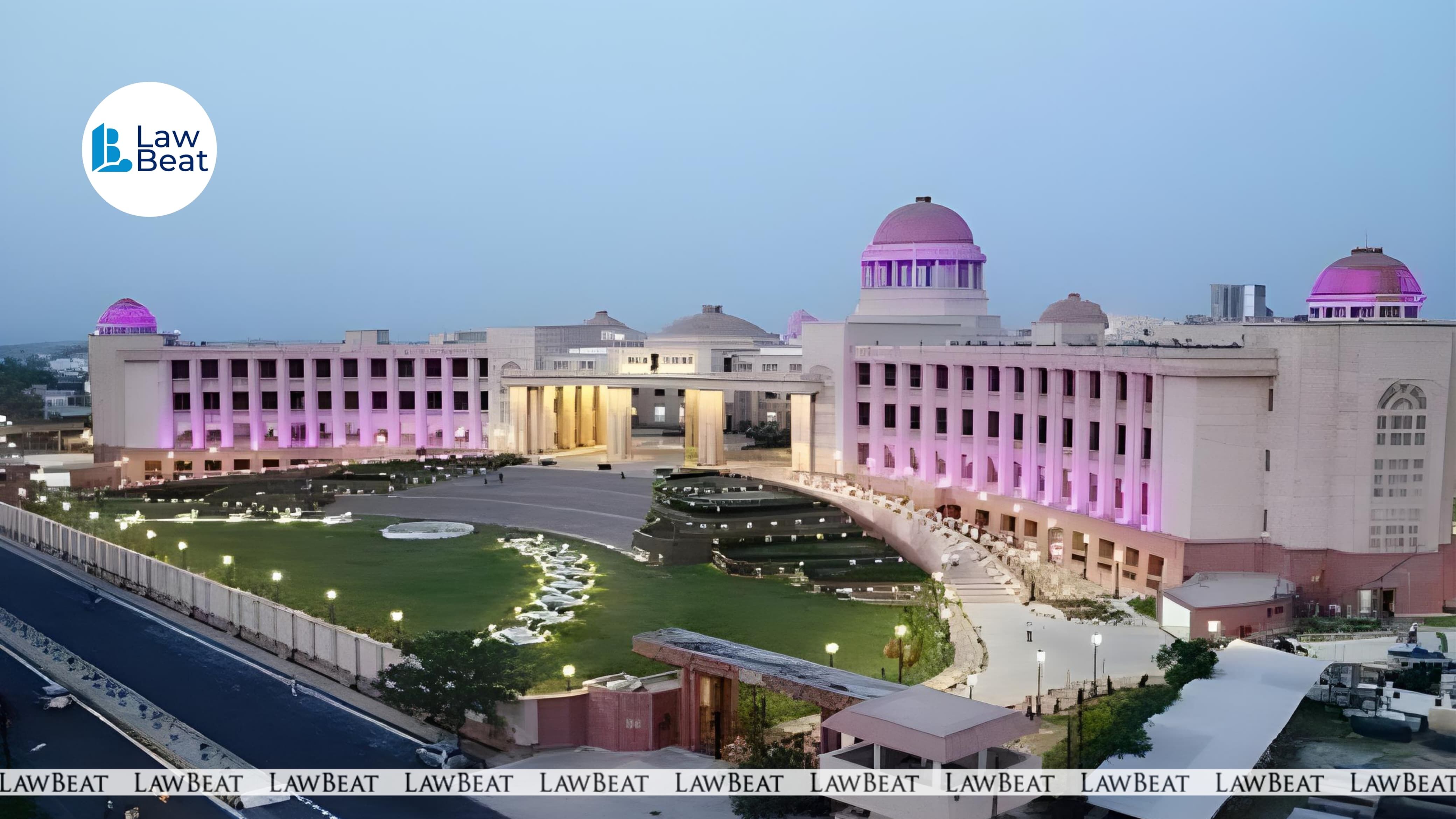
Allahabad High Court: Directs CAT to Expedite Amitabh Thakur Compulsory Retirement
Summary
- The Allahabad High Court has directed the Central Administrative Tribunal (CAT) Lucknow to expeditiously decide former IPS officer Amitabh Thakur's challenge to his compulsory retirement.
- Thakur's original application, filed in March 2021 against his retirement, has been pending before the tribunal for over five years.
- The High Court's order, issued under Article 227, mandates a full hearing without unnecessary adjournments but does not rule on the merits of the case.
- Amitabh Thakur, a 1992-batch Uttar Pradesh-cadre IPS officer, was compulsorily retired by the Union Home Ministry, which stated he was "not found fit" for continued service.
- This directive emphasizes the judiciary's commitment to preventing undue delays in justice delivery by administrative tribunals in service law matters.
High Court Mandates Swift Resolution
The High Court's intervention under Article 227 of the Constitution underscores a commitment to judicial efficiency, particularly given that Thakur's original application has languished before the tribunal for over five years.
The Allahabad High Court, specifically its Lucknow Bench, has issued a directive to the Central Administrative Tribunal (CAT), Lucknow, compelling it to promptly adjudicate an ongoing petition filed by former Indian Police Service (IPS) officer Amitabh Thakur. This significant order, delivered by Justice Jaspreet Singh on September 3, addresses Thakur's challenge to his compulsory retirement, which was enacted in March 2021. The High Court's intervention under Article 227 of the Constitution underscores a commitment to judicial efficiency, particularly given that Thakur's original application has languished before the tribunal for over five years.
The petition, titled *Amitabh Thakur v. Union of India and others*, seeks to overturn the Union Home Ministry's decision to compulsorily retire the officer. Thakur, represented by counsel Nutan Thakur and Deepak Kumar, approached the High Court to secure an expeditious disposal of his case, Original Application No. 332/00147/2021, which names the Central Administrative Tribunal as a primary respondent. The High Court's order explicitly mandates that the CAT Lucknow proceed without granting unnecessary adjournments, ensuring a timely resolution to the long-pending matter.
Legal Framework and Tribunal Accountability
In its ruling, the Allahabad High Court emphasized that no constructive purpose would be served by allowing the Article 227 petition to remain pending before it. Instead, the court determined that the interests of justice would be best served by instructing the Central Administrative Tribunal to take up and definitively decide the original application as swiftly as possible. This decision highlights the High Court's role in overseeing the functioning of lower tribunals and ensuring their adherence to principles of timely justice.
During the High Court proceedings, the Union of India, represented by advocate Varun Pandey, indicated no objection to an order for expeditious disposal. The High Court clarified that its directive does not delve into the merits of the compulsory retirement challenge itself, leaving the substantive decision entirely to the Central Administrative Tribunal Lucknow. The tribunal is now tasked with affording both parties a full opportunity for a hearing and rendering a decision strictly in accordance with the law, while strictly avoiding undue delays.
Background of the Compulsory Retirement Challenge
Amitabh Thakur, a 1992-batch IPS officer from the Uttar Pradesh cadre, is challenging his compulsory retirement, which was ordered by the Union Home Ministry in March 2021. The ministry's decision cited that Thakur was "not found fit to be retained for the remaining tenure of his service," effectively cutting short a career that would have otherwise continued until 2028. This action forms the core of the service law dispute now awaiting resolution by the Central Administrative Tribunal.
Thakur has a documented history of engaging in legal challenges against government authorities. Notably, in 2015, he garnered national attention after alleging threats from Samajwadi Party patriarch Mulayam Singh Yadav, which led to his suspension on July 13, 2015, and the initiation of a vigilance inquiry. However, the Lucknow Bench of the Central Administrative Tribunal later intervened, staying his suspension and ordering his reinstatement with full salary, demonstrating a prior instance of tribunal involvement in his service matters.
Significance for Service Law and Judicial Oversight
The Allahabad High Court's directive for the expeditious disposal of Amitabh Thakur's compulsory retirement challenge carries significant implications for service law cases across India, particularly those involving IPS officers. This instance of High Court intervention under Article 227 to address tribunal delay reinforces the judiciary's commitment to ensuring that administrative tribunals fulfill their mandate of providing timely justice. It serves as a reminder that prolonged pendency, even in complex service matters, can trigger higher judicial oversight.
Beyond the immediate case of Amitabh Thakur v. Union of India CAT, this ruling underscores the broader principle that justice delayed is justice denied, especially in matters affecting an individual's career and livelihood. Thakur himself has been involved in other notable legal actions, including a Public Interest Litigation filed last September challenging provisions of the Uttar Pradesh Lokayukta and Up-Lokayuktas Act, 1975, and a 2024 High Court order restraining him and his wife, Nutan Thakur, from disseminating information damaging the reputation of former IAS officer Awanish Kumar Awasthi. These instances collectively highlight the active legal landscape surrounding the former Uttar Pradesh cadre IPS officer.
Practical Implications
Lawyers handling service law cases, particularly those involving challenges to compulsory retirement before administrative tribunals, should note the Allahabad High Court's willingness to intervene under Article 227 to compel expeditious disposal, reinforcing the principle against undue delays in justice delivery by tribunals.
Source
How does this affect you?
Get an AI analysis of this article grounded in your jurisdictions, practice areas, and any policy documents you've uploaded to Wansom.
Finish Reading the Full Story and the Expert Analysis.
Get the latest legal & regulatory intelligence in India
Wansom is AI and can make mistakes.