
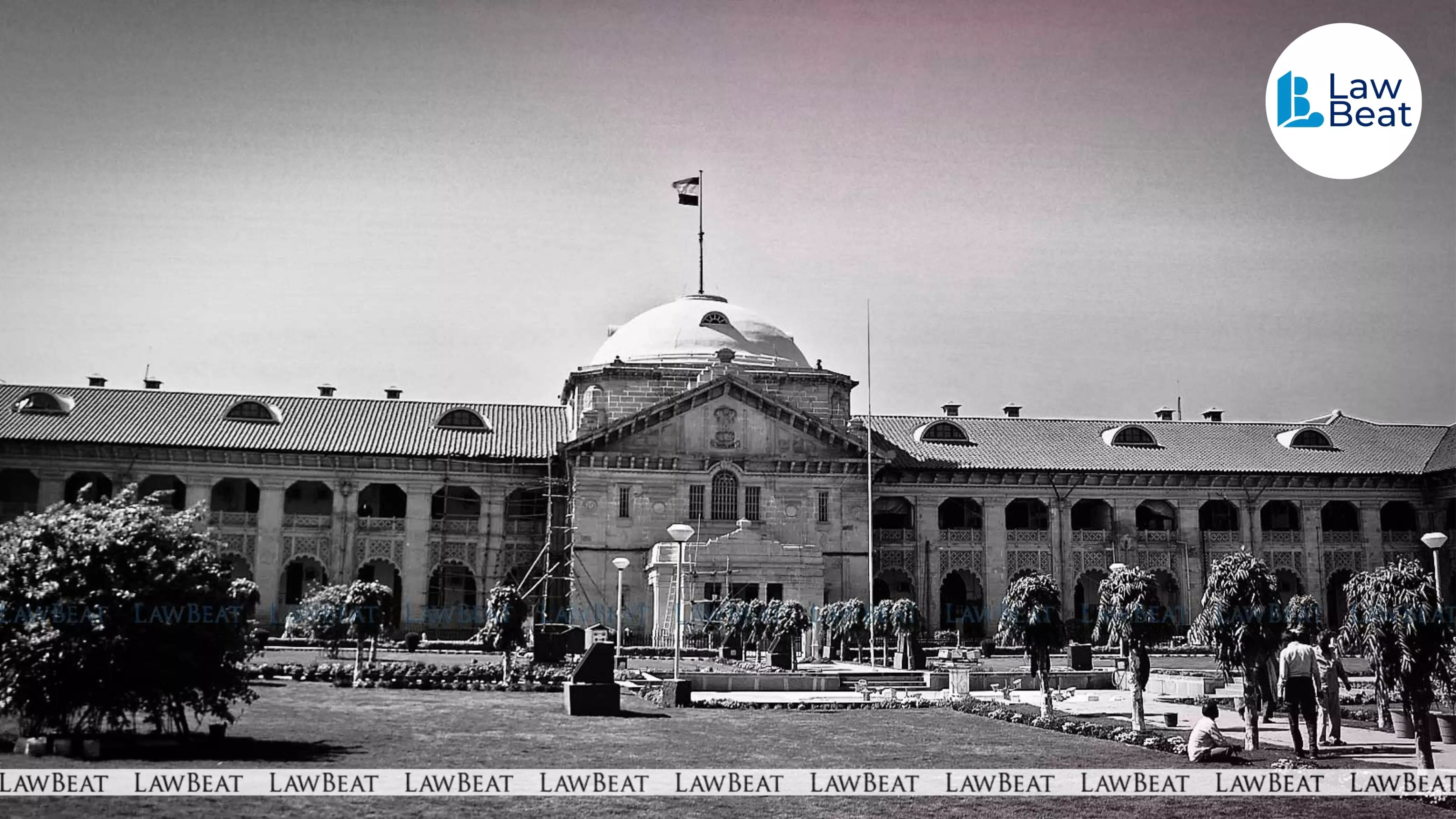
Allahabad HC: Criminal Contempt, FIRs for Lawyers After October 28 Violence
Summary
- The Allahabad High Court has sought criminal contempt proceedings and FIRs against lawyers involved in courtroom violence on October 28.
- Justices Ajay Bhanot and Divesh Chandra Samant issued an order after lawyers allegedly assaulted staff and vandalized Court No. 49.
- The court found a letter from the Allahabad High Court Bar Association, alleging humiliation of an advocate, to contain false and provocative language linked to the violence.
- The bench rejected the Bar Association's claims, clarifying that no adverse order was passed and the lawyer had voluntarily apologized.
- The High Court stressed that appeasing violence would make courts vulnerable and would not prevent future incidents, underscoring the need for accountability for lawyer misconduct.
Courtroom Violence Prompts Strong Judicial Response
The court emphasized that it could not overlook such an incident in the interest of maintaining harmony between the Bar and the Bench.
The Allahabad High Court has initiated steps for criminal contempt proceedings and the registration of First Information Reports (FIRs) against several lawyers following a violent incident that occurred on October 28. A division bench, comprising Justices Ajay Bhanot and Divesh Chandra Samant, issued an in-chamber order on October 29, which was subsequently uploaded on November 2, requesting the Chief Justice to assign the matter to an appropriate bench for the prosecution of criminal contempt against the involved legal professionals. The court also urged the Chief Justice to consider directing the filing of FIRs against these lawyers for allegedly instigating, conspiring to commit, and perpetrating violence within the court premises.
The incident on October 28 involved lawyers reportedly assaulting law officers, court staff, and security personnel, in addition to vandalizing Court No. 49. This disruption followed a letter sent on October 27 by newly elected office-bearers of the Allahabad High Court Bar Association to the Chief Justice. This communication alleged that Justice Bhanot had humiliated an advocate over a police officer occupying a separate seat in the courtroom and threatened a boycott of his court if no action was taken. The division bench, however, found that this letter contained false imputations and provocative language, establishing a clear link to the subsequent violence.
Judicial Rejection of Bar Association Claims
The High Court explicitly rejected the Allahabad High Court Bar Association's allegations in its in-chamber order. The bench clarified that no adverse ruling had been issued or dictated against any advocate. Instead, the lawyer in question had voluntarily offered an apology after the court explained the legal ramifications of their conduct. The court further elucidated that the separate seating arrangement was specifically for officials summoned to assist in judicial proceedings, enabling them to follow the proceedings and provide effective support, not for those facing contempt charges.
Adding to this, Senior Advocate V.P. Srivastava, whose alleged humiliation was central to the Bar Association's letter, appeared before the bench on October 28 and unequivocally stated that no such incident had occurred involving him. The court was informed on the morning of October 28 by the bench secretary that a group of lawyers had gathered in Court No. 49, shouting slogans. Upon the court assembling, lawyers both inside and outside the courtroom allegedly continued to shout, contributing to the disruption.
Upholding Courtroom Decorum and Accountability
The court emphasized that it could not overlook such an incident in the interest of maintaining harmony between the Bar and the Bench. It firmly stated that appeasing violence within the court system would render courts susceptible to blackmail and would not deter future occurrences of similar misconduct. This stance underscores a critical message regarding lawyer misconduct and the imperative of upholding courtroom decorum in India.
Separately, Justice Arun Kumar Singh Deshwal, presiding over a different courtroom, Court No. 66, also took action following protests on October 28. He directed the Registrar (Protocol) to review CCTV footage to identify advocates involved in sloganeering and disrupting proceedings, with the aim of initiating contempt and disciplinary actions. The controversy further escalated when the Bar Association approached the Awadh Bar Association to intervene concerning Justice Deshwal, highlighting the widespread nature of the dispute and the court's resolve to address it through criminal contempt proceedings against the lawyers involved.
Practical Implications
This ruling serves as a stark reminder to legal professionals in India that disruptive conduct, violence, or vandalism within court premises will not be tolerated and can lead to severe consequences, including criminal contempt proceedings and FIRs. Lawyers must advise clients and colleagues on the strict adherence to courtroom decorum and the potential for personal liability for such actions, even when acting under the guise of a bar association.
Source
How does this affect you?
Get an AI analysis of this article grounded in your jurisdictions, practice areas, and any policy documents you've uploaded to Wansom.
Wansom is AI and can make mistakes.