
All of Africa Today - September 30, 2026
Summary
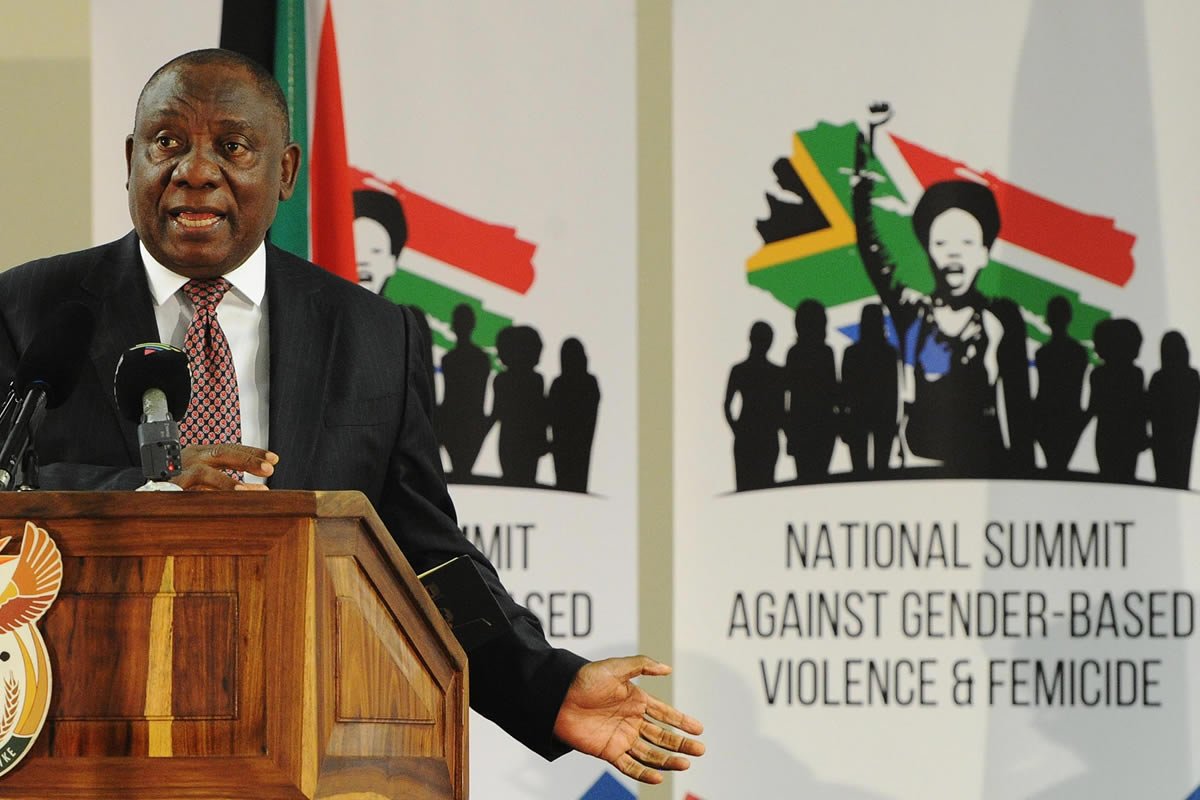
- President Cyril Ramaphosa announced a national emergency response to gender-based violence (GBV) following the discovery of twelve women's bodies east of Johannesburg.
- The President acknowledged the government's past failures in protecting women and girls.
- Municipalities are now mandated to conduct women's safety audits to identify and address dangers like broken streetlights and unsafe public spaces.
- New measures will also be implemented to tackle alcohol-related violence across South Africa.
- Ramaphosa urged men and boys to take greater responsibility for ending gender-based violence and called for deeper societal attitude changes.
President Ramaphosa Unveils Emergency GBV Strategy
Municipalities are now mandated to conduct women's safety audits to identify and address dangers like broken streetlights and unsafe public spaces.
President Cyril Ramaphosa has announced a comprehensive national emergency response aimed at combating gender-based violence (GBV) across South Africa. This significant declaration follows the distressing discovery of the bodies of twelve women over a two-month period in areas located east of Johannesburg, underscoring the urgent need for heightened intervention. While four individuals have been apprehended in connection with these tragic deaths, President Ramaphosa clarified that law enforcement agencies have not uncovered evidence suggesting a single perpetrator was responsible for all the killings.
In a candid acknowledgment, the President conceded that the government's efforts to safeguard women and girls had been insufficient. This admission served as a prelude to the unveiling of a new strategy, which includes a directive for municipalities to undertake immediate clean-up operations in high-risk zones. This Ramaphosa 90-day GBV plan South Africa signifies a renewed commitment to addressing the pervasive issue of violence against women.
Mandatory Safety Audits and Alcohol-Related Violence Measures
A cornerstone of the new South Africa gender-based violence emergency response is the mandatory implementation of women's safety audits by all municipalities. These critical assessments are designed to systematically identify and rectify environmental hazards that contribute to insecurity. Specific dangers targeted include malfunctioning streetlights, derelict buildings, precarious public transportation routes, and inadequately secured public spaces, all of which can facilitate criminal activity and endanger women.
Beyond infrastructure improvements, the President's strategy also incorporates specific alcohol-related violence measures South Africa. These initiatives aim to tackle the documented link between alcohol consumption and violent incidents, particularly those affecting women. By addressing both environmental vulnerabilities and contributing social factors, the President Ramaphosa GBV strategy seeks to create safer communities and reduce instances of gender-based harm.
A Call for Societal Transformation
President Ramaphosa's announcement extended beyond immediate security measures, encompassing a profound call for a shift in societal attitudes towards women. He emphasized the necessity for deeper, more fundamental changes in how women are perceived and treated across the nation. This aspect of the South African anti-GBV initiatives highlights that legislative and enforcement actions alone are not enough to eradicate gender-based violence.
The President specifically urged men and boys to assume greater accountability in the collective effort to end gender-based violence. This appeal underscores the belief that a lasting solution requires active participation and a change in behavior from all segments of society, moving beyond governmental directives to foster a culture of respect and safety for women and girls.
Legal and Regulatory Implications
The directives issued as part of the Ramaphosa 90-day GBV plan South Africa carry significant legal and regulatory implications for local government entities and various sectors. Municipal legal departments and compliance officers must now prepare for new mandates, including the rigorous execution of women's safety audits. These audits will likely necessitate comprehensive reviews of urban planning, public works, and transport infrastructure policies to ensure alignment with the President's urgent call for enhanced safety.
Furthermore, the focus on alcohol-related violence measures South Africa suggests potential new regulations or enforcement priorities for businesses in the hospitality and alcohol industries. Legal professionals advising clients in public infrastructure, transportation, or hospitality should proactively review existing operational policies and compliance frameworks to anticipate and adapt to the government's heightened focus on gender-based violence prevention and accountability.
Practical Implications
Municipal legal departments and compliance officers should anticipate new directives and potential liabilities stemming from the mandatory women's safety audits and measures to address alcohol-related violence. Lawyers advising clients in public infrastructure, transport, or hospitality sectors should review existing policies for alignment with the government's heightened focus on gender-based violence prevention.
Source
How does this affect you?
Get an AI analysis of this article grounded in your jurisdictions, practice areas, and any policy documents you've uploaded to Wansom.
Finish Reading the Full Story and the Expert Analysis.
Get the latest legal & regulatory intelligence in South Africa
Wansom is AI and can make mistakes.