
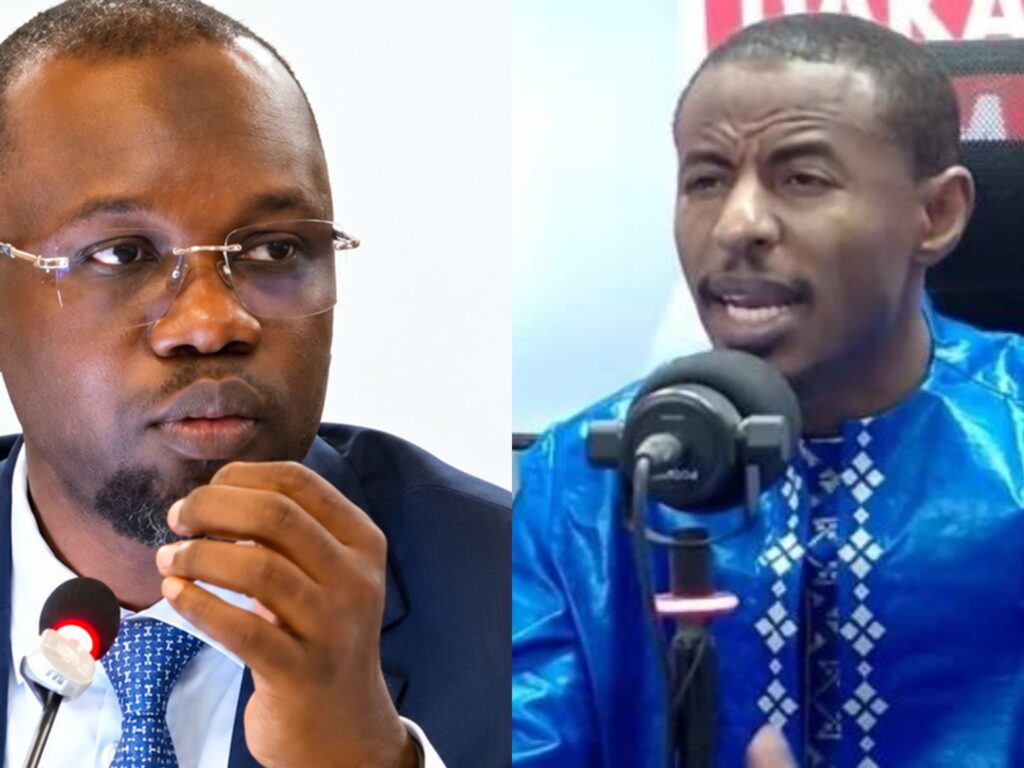
Aldiouma Sow: Sonko, Pastef Condition Salaries on LFR Demands
Summary
- Aldiouma Sow alleges that Ousmane Sonko and Pastef deputies are conditioning civil servant salaries and private company debt repayments on their legislative demands.
- This accusation follows the rejection of the Rectified Finance Law (LFR) in Senegal.
- Sow claims that the parliamentary proposals are "childish" and have been repeatedly censored by the Constitutional Council.
- He also accuses Sonko and Pastef of prioritizing their positions and misusing the National Assembly's budget.
- Sow asserts that the Constitution and power rationalization mechanisms will ensure this maneuver fails, concluding that "the Republic will prevail."
Allegations of Payment Conditioning Emerge Amidst LFR Rejection
The alleged conditioning of salaries and debt repayments by Ousmane Sonko and Pastef deputies, as articulated by Aldiouma Sow, carry significant implications for the stability of state finances and the broader governance of Senegal.
Aldiouma Sow has publicly asserted that the disbursement of civil servant salaries and the repayment of outstanding sums owed to private enterprises are being held contingent upon the legislative demands put forth by Ousmane Sonko and deputies from the Pastef party. This significant claim arises in the wake of the rejection of the Rectified Finance Law (LFR) in Senegal. Sow's statement specifically highlights the potential impact on various public sector employees, including members of the defense and security forces, medical professionals, and educators, whose salaries are allegedly being used as leverage in the ongoing political dispute.
Sow characterized the parliamentary proposals at the heart of this controversy as "childish," further noting that similar legislative initiatives have previously faced repeated censure by the Constitutional Council. He also leveled accusations against the Pastef leader, Ousmane Sonko, and his parliamentary group, suggesting they are prioritizing their own political standing and contributing to the depletion of the National Assembly's budget. These accusations underscore a deepening political rift concerning the nation's financial management and legislative process.
Legal Framework and Political Standoff
The current impasse revolves around the Loi de finances rectificative Sénégal, a crucial financial instrument for the nation. Aldiouma Sow's accusations against Sonko and the Pastef party suggest a deliberate strategy to exert pressure through the legislative process. Sow firmly believes that this latest maneuver will ultimately prove unsuccessful. He grounds his conviction in the principles enshrined within the Constitution and the established mechanisms designed for the rationalization of powers.
These constitutional safeguards, according to Sow, serve as critical checks when any single institution attempts to overstep its designated authority or consistently challenges the other branches of government. The repeated historical rejections by the Constitutional Council of similar proposals reinforce his argument that the current demands lack legal merit and precedent. The Sénégal budget fonctionnaires and dette entreprises privées Sénégal are at the core of this legislative battle, with the government's ability to meet these obligations potentially hampered by the political maneuvering.
Implications for State Finances and Governance
The alleged conditioning of salaries and debt repayments by Ousmane Sonko and Pastef deputies, as articulated by Aldiouma Sow, carry significant implications for the stability of state finances and the broader governance of Senegal. Should these claims hold true, the political stalemate surrounding the LFR could lead to substantial delays in crucial government disbursements, affecting not only individual civil servants but also numerous private sector entities awaiting payment for services rendered.
Sow concluded his message with a resolute declaration that "the Republic will prevail," signaling his confidence in the constitutional framework to withstand such political challenges. This situation necessitates close monitoring by legal and financial advisors, particularly those representing clients with financial dealings or contracts with the Senegalese government. Proactive risk assessment and contingency planning become paramount to mitigate potential disruptions stemming from this political contention over the Loi de finances rectificative Sénégal.
Practical Implications
Lawyers advising clients with financial dealings or contracts with the Senegalese government should closely monitor the political impasse surrounding the Rectified Finance Law (LFR). The alleged conditioning of state payments could lead to significant delays in government disbursements to civil servants and private enterprises, necessitating proactive risk assessment and contingency planning for affected clients.
Source
Source: Original reporting via Senegal7
How does this affect you?
Get an AI analysis of this article grounded in your jurisdictions, practice areas, and any policy documents you've uploaded to Wansom.
Finish Reading the Full Story and the Expert Analysis.
Get the latest legal & regulatory intelligence in Senegal
Wansom is AI and can make mistakes.