
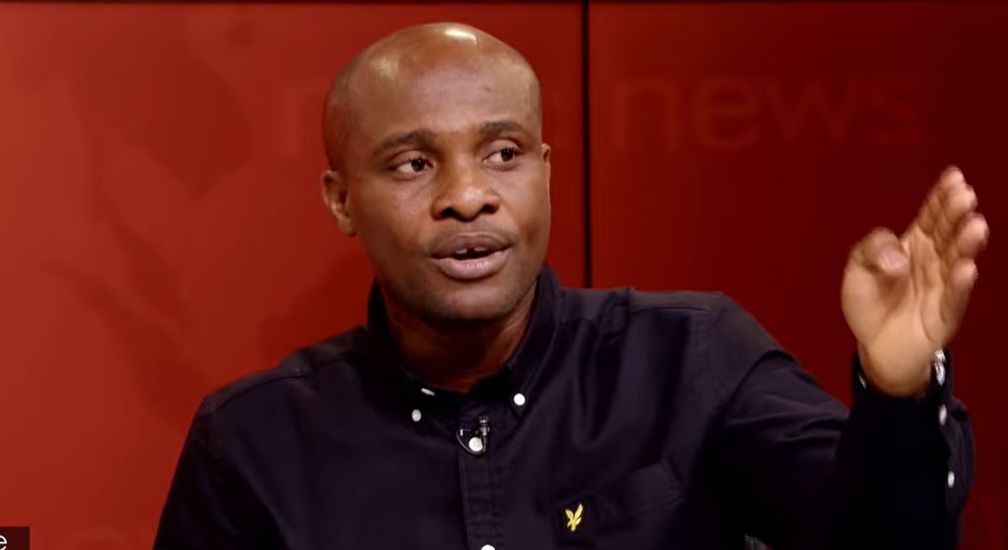
Akwatia MP: OSP, Attorney-General Collaboration Key for Ghana
Summary
- Akwatia MP Bernard Baidoo called for enhanced collaboration between Ghana's Office of the Special Prosecutor and the Attorney-General.
- He warned that institutional disputes between the two bodies could undermine the nation's anti-corruption efforts.
- Baidoo's comments were made during a discussion about the OSP naming five persons of interest in an alleged $1 million ASKA bribery case.
- He emphasized that corruption, not the Attorney-General, is the true adversary, urging a focus on delivering results for Ghanaians.
- The MP cautioned that public disagreements risk eroding confidence in Ghana's anti-corruption agencies.
Call for Unity Amidst Anti-Corruption Efforts
Public disagreements and separate pronouncements from state agencies risk conveying an impression that Ghana's anti-corruption bodies are not aligned in their objectives.
A prominent Ghanaian legislator has urged the nation's key anti-corruption bodies, the Office of the Special Prosecutor (OSP) and the Attorney-General, to foster greater cooperation. Bernard Baidoo, the Member of Parliament for Akwatia, emphasized that any perceived lack of harmony between these institutions poses a significant threat to Ghana's ongoing battle against corruption. His remarks were made during an appearance on JoyNews’ Newsfile on Saturday, August 29, where discussions centered on the OSP's recent identification of five individuals as persons of interest in an alleged $1 million bribery scandal. This case is reportedly connected to the Accelerated Social Housing and Affordable Housing Project, known as ASKA.
Mr. Baidoo articulated his concern that the current state of affairs validates earlier apprehensions regarding the OSP's establishment, particularly concerning its structural and constitutional underpinnings within Ghana's legal framework. He described the situation as deeply troubling, highlighting that disagreements between the very entities charged with combating corruption could severely impede efforts to ensure accountability for wrongdoing. The Akwatia MP stressed that the primary focus for both the OSP and the Attorney-General should be collaborative action rather than engaging in internal institutional disputes. He underscored that the ultimate goal must be to achieve tangible outcomes for the citizens of Ghana.
Institutional Tensions and Constitutional Foundations
According to the Akwatia MP, the Attorney-General should not be perceived as an adversary by the Special Prosecutor. He firmly stated that corruption, not another state official, represents the true enemy in this fight. Mr. Baidoo recalled the substantial political and public backing the Office of the Special Prosecutor Ghana received upon its inception, noting that this widespread support places a considerable expectation on the institution to fulfill its mandate. He pointed out that the creation of the OSP garnered bipartisan endorsement, even though the current Special Prosecutor, Kissi Agyebeng, was not the inaugural occupant of the position.
The legislator further asserted that the Ghanaian public's paramount interest lies in concrete progress against corruption, rather than observing institutional rivalries. He appealed directly to the Attorney-General, recognizing their role as the principal legal authority, to actively work towards resolving any existing differences with the OSP. Mr. Baidoo warned that public disagreements and separate pronouncements from state agencies risk conveying an impression that Ghana's anti-corruption bodies are not aligned in their objectives.
Safeguarding Public Confidence in Anti-Corruption Efforts
The MP expressed particular apprehension about scenarios where one institution issues a press release or conducts a press conference, only for another to seemingly adopt a divergent stance on the same issue. Such public displays of disunity, he cautioned, carry the significant risk of eroding public confidence in the very institutions entrusted with upholding integrity and fighting corruption within the nation. The collective objective, he reiterated, must be to deliver results that benefit the Ghanaian populace, transcending any internal friction or jurisdictional debates. These Ghana anti-corruption institutional disputes, in his view, are not conducive to achieving this critical national objective.
Practical Implications
Lawyers and compliance officers in Ghana should monitor the evolving relationship between the Office of the Special Prosecutor and the Attorney-General. Ongoing institutional disputes could introduce uncertainty into anti-corruption enforcement and prosecution strategies, potentially impacting client advice on compliance and risk management.
Source
Source: Original reporting via JoyNews.
How does this affect you?
Get an AI analysis of this article grounded in your jurisdictions, practice areas, and any policy documents you've uploaded to Wansom.
Finish Reading the Full Story and the Expert Analysis.
Wansom is AI and can make mistakes.