
AI Fraud: South African Retirees Face Deepfake Financial Crime
Summary
- AI-enabled fraud, including deepfakes and voice impersonation, poses a significant and growing threat to South African retirees.
- Criminals exploit the large sums of money transferred during retirement and conduct extensive research to personalize attacks.
- The Financial Sector Conduct Authority (FSCA) has identified deepfakes as a major financial crime risk in South Africa.
- Experts advise direct phone verification for all bank details, particularly for substantial financial transfers, to combat sophisticated AI fraud.
- AI significantly enhances the effectiveness and accessibility of financial crime, making it easier for fraudsters to deceive victims.
The Evolving Threat Landscape
The increasing exposure to fraud enabled by artificial intelligence now presents a severe threat to South African retirees, fundamentally altering the landscape of financial security.
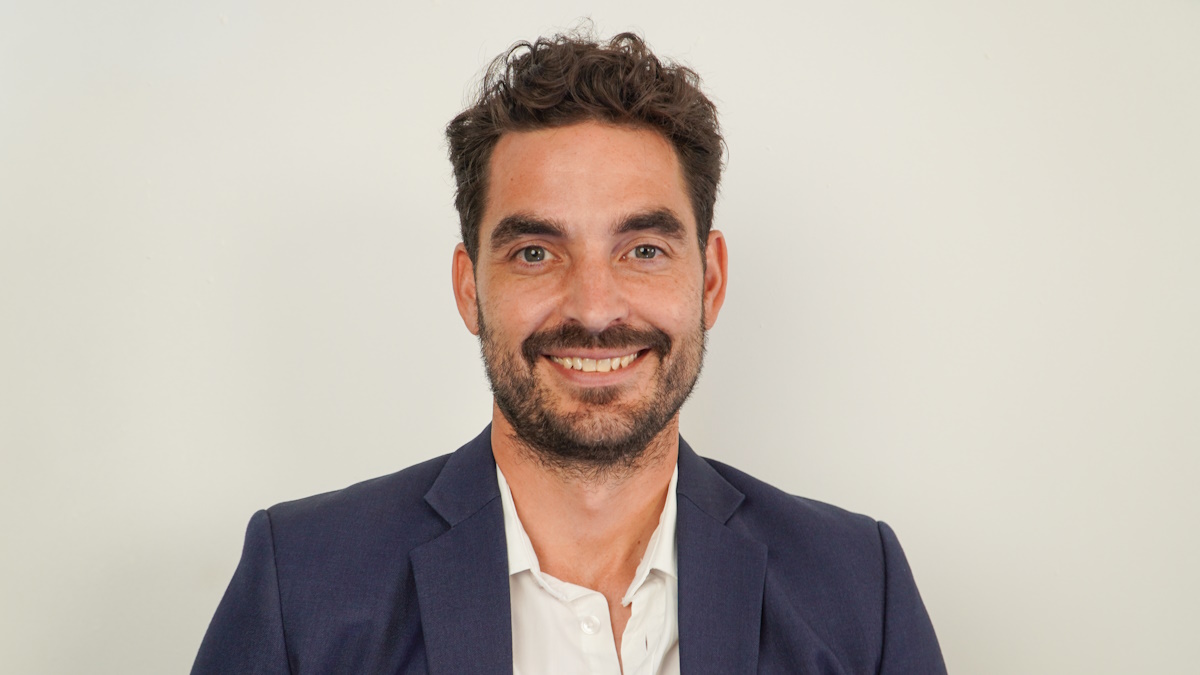
Fraudulent activities have undergone a significant transformation, moving beyond traditional direct human interaction to sophisticated digital tactics such as phishing emails, deceptive messages, social engineering, and identity theft. This expanded risk environment is now further complicated by the increasing prevalence of fraud enabled by artificial intelligence, which poses a particularly acute threat to South African retirees. Michael Rossouw, a senior investment consultant at 10X Investments, highlighted this escalating danger during an ITWeb TV interview, explaining how AI is reshaping financial security and retirement outcomes for individuals across the nation.
Rossouw emphasized that AI elevates fraud to an entirely new level of sophistication. He recounted a recent demonstration where a colleague successfully cloned his own voice, creating a replica so convincing that Rossouw, despite working closely with him, could not distinguish it from the original. This unsettling experience underscores the advanced nature of these threats and the critical need for heightened awareness among the public. Many everyday investors remain unaware of just how sophisticated these AI-driven attacks have become, making them vulnerable targets.
Across South Africa and the broader African continent, there is a noticeable surge in AI-driven fraud, including advanced voice impersonation and deepfakes. Attackers are increasingly exploiting human trust and vulnerabilities within payment processes, rather than solely relying on system flaws. The Financial Sector Conduct Authority (FSCA) has officially recognized deepfakes as a significant financial crime threat within South Africa, reinforcing the severity of this issue. Furthermore, Interpol's African Cyber Threat Assessment Report 2026 identifies business email compromise (BEC) as a primary financial attack vector across the continent, a method now made even more potent by AI.
Targeting Retirees: Why They're Vulnerable
South African retirees represent a particularly attractive target for sophisticated AI-enabled financial crime due to two primary factors, as outlined by Rossouw. Firstly, individuals who have dedicated many years to their careers often accumulate substantial retirement savings, making them highly appealing to criminals seeking significant financial gains. Secondly, the nature of retirement often involves the transfer of large sums of money, creating critical windows of opportunity for fraudsters to intervene.
During the transition into retirement, individuals frequently move accumulated wealth from pension funds, retirement annuities, or other long-term investments into new investment products. This process, involving substantial financial movements, is precisely where criminals can exploit vulnerabilities. Fraudsters meticulously research their potential victims before launching an attack. This preparatory phase can involve gathering personal information from public sources like social media, studying the victim's lifestyle, monitoring their email communications, identifying their chosen investment companies, and even pinpointing their anticipated retirement dates.
Such detailed intelligence allows criminals to craft highly personalized messages that appear entirely legitimate, slowly building trust with the victim before attempting to illicitly acquire funds. A common tactic involves intercepting email communications to alter banking details. For instance, if an investment company sends an email containing its banking information, a criminal who has gained unauthorized access to the recipient's email account can intercept this message and surreptitiously change the banking details. The unsuspecting retiree, expecting the communication, then transfers their funds directly into the criminal's account, often discovering the deception only much later when contacting the investment firm, by which point the stolen money may have been moved across multiple accounts and international borders.
Regulatory Warnings and Prevention Strategies
In response to the escalating threat of AI-driven financial crime, regulatory bodies like the Financial Sector Conduct Authority (FSCA) have issued explicit warnings, specifically flagging deepfakes as a major concern for financial security in South Africa. This regulatory stance underscores the urgent need for both financial institutions and individual clients, especially retirees, to adopt robust verification protocols to safeguard against potential losses. Lawyers and compliance officers are increasingly tasked with advising on these heightened risks and ensuring adherence to evolving cybersecurity guidelines.
To counter these sophisticated AI-enabled schemes, Michael Rossouw strongly advises a critical verification step: whenever individuals receive banking details, particularly for substantial financial transfers, they should directly contact the company via a verified phone number to confirm the accuracy of the details. Relying solely on email communications, which can be easily compromised or spoofed, is no longer sufficient. Instead, individuals must engage directly with their investment providers and verify all crucial information through established, trusted communication channels.
While traditional forms of fraud, such as hacking and identity theft, posed significant dangers long before the widespread adoption of AI, the advent of artificial intelligence has dramatically amplified these risks. AI tools make it considerably easier for criminals to execute fraudulent activities and expand the methods available for deception. The core issue, as Rossouw explains, lies in the increased effectiveness and accessibility of fraud, presenting an unprecedented challenge to financial security for all, but particularly for those managing their retirement savings.
Practical Implications
Lawyers and compliance officers must advise financial institutions and individual clients, particularly retirees, on the heightened risk of AI-enabled financial fraud, including deepfakes and voice impersonation. This necessitates implementing robust verification protocols for large financial transfers and ensuring compliance with evolving cybersecurity guidelines from bodies like the FSCA to prevent significant financial losses.
Source
How does this affect you?
Get an AI analysis of this article grounded in your jurisdictions, practice areas, and any policy documents you've uploaded to Wansom.
Finish Reading the Full Story and the Expert Analysis.
Get the latest legal & regulatory intelligence in South Africa
Wansom is AI and can make mistakes.