
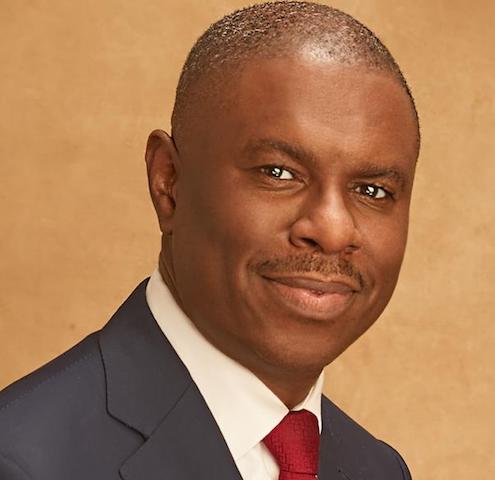
AI and 2027: Who Answers When Technology Gets It Wrong?, By Dakuku Peterside
Summary
- AI-generated voice messages falsely announcing voting postponements could mislead voters on election day.
- Such disinformation could cause voters to stay home, effectively disenfranchising them.
- The issue raises complex questions about accountability for AI-driven misinformation, as highlighted by Dakuku Peterside, former Director General of NIMASA.
- Existing Nigerian electoral and cybercrime laws may not fully address the legal liability for AI-generated content.
- The potential for AI to spread disinformation poses a significant threat to the integrity of the 2027 Nigeria elections.
The Emerging Threat of AI-Generated Disinformation
The potential for AI-generated misinformation to influence the 2027 Nigeria elections is a pressing concern for stakeholders across the political spectrum.
The landscape of electoral integrity faces a significant challenge with the rise of artificial intelligence, particularly concerning the spread of misinformation. A hypothetical but increasingly plausible scenario illustrates this threat: on an election morning, a voice message, deceptively crafted to sound like an official from the Independent National Electoral Commission (INEC), circulates, falsely announcing a postponement of voting activities. This type of sophisticated disinformation can target specific demographics or regions, such as a woman in Mbiama, Kontagora, Ife, or Ogoja, who, having made arrangements for transport and prepared to join the queue, might be misled into staying home.
Such a fabricated message carries profound consequences. By the time the individual discovers the truth, the opportunity to cast her vote may have passed, effectively disenfranchising her. This incident underscores the potential for AI-powered tools to disrupt democratic processes by creating highly convincing, yet entirely false, content. The concern extends beyond audio messages to include fabricated videos, which can further erode public trust and manipulate voter behavior on a large scale.
Navigating Accountability in a New Digital Landscape
The proliferation of AI-generated electoral misinformation raises critical questions about legal liability and accountability. When a deepfake voice message or video misleads voters, determining who is responsible becomes complex. Is it the individual or group that created the AI model, the entity that deployed the specific disinformation, or the platforms through which it was disseminated? Current Nigerian electoral law and cybercrime statutes may not adequately address the nuances of AI-driven content, leaving a potential gap in legal frameworks for INEC AI disinformation legal liability.
Experts like Dakuku Peterside, former Director General of the Nigerian Maritime Administration and Safety Agency (NIMASA), have highlighted this challenge, emphasizing the need to clarify who answers when technology, specifically AI, is misused to spread falsehoods during elections. The existing legal provisions might struggle to pinpoint culpability in cases where the origin of the misinformation is obscured by advanced AI techniques, making it difficult to prosecute perpetrators or provide redress for affected voters. This ambiguity necessitates a re-evaluation of legal responsibilities in the context of AI-generated content and its impact on electoral processes.
Implications for Nigeria's 2027 General Elections
The potential for AI-generated misinformation to influence the 2027 Nigeria elections is a pressing concern for stakeholders across the political spectrum. The scenario of a false voting postponement announcement is not merely theoretical; it represents a tangible threat to the integrity and fairness of future polls. The ability of AI to produce highly realistic and persuasive fake content means that electoral campaigns could be significantly impacted by disinformation campaigns designed to suppress turnout, spread false narratives about candidates, or undermine public confidence in the electoral body.
Addressing the impact of AI on the 2027 elections requires proactive measures, including robust legal reforms and public awareness campaigns. Without clear guidelines and enforcement mechanisms, the democratic process risks being compromised by sophisticated technological manipulation. The challenge lies in developing frameworks that can effectively deter the creation and dissemination of AI-generated electoral misinformation while ensuring that accountability can be swiftly and justly assigned to those who exploit these technologies for nefarious purposes.
Practical Implications
Lawyers advising political entities, media, or tech companies in Nigeria should prepare for potential legal challenges and regulatory developments concerning AI-generated misinformation in the run-up to the 2027 elections, focusing on accountability frameworks and the adequacy of current electoral and cybercrime laws.
Source
How does this affect you?
Get an AI analysis of this article grounded in your jurisdictions, practice areas, and any policy documents you've uploaded to Wansom.
Finish Reading the Full Story and the Expert Analysis.
Get the latest legal & regulatory intelligence in Nigeria
Wansom is AI and can make mistakes.