
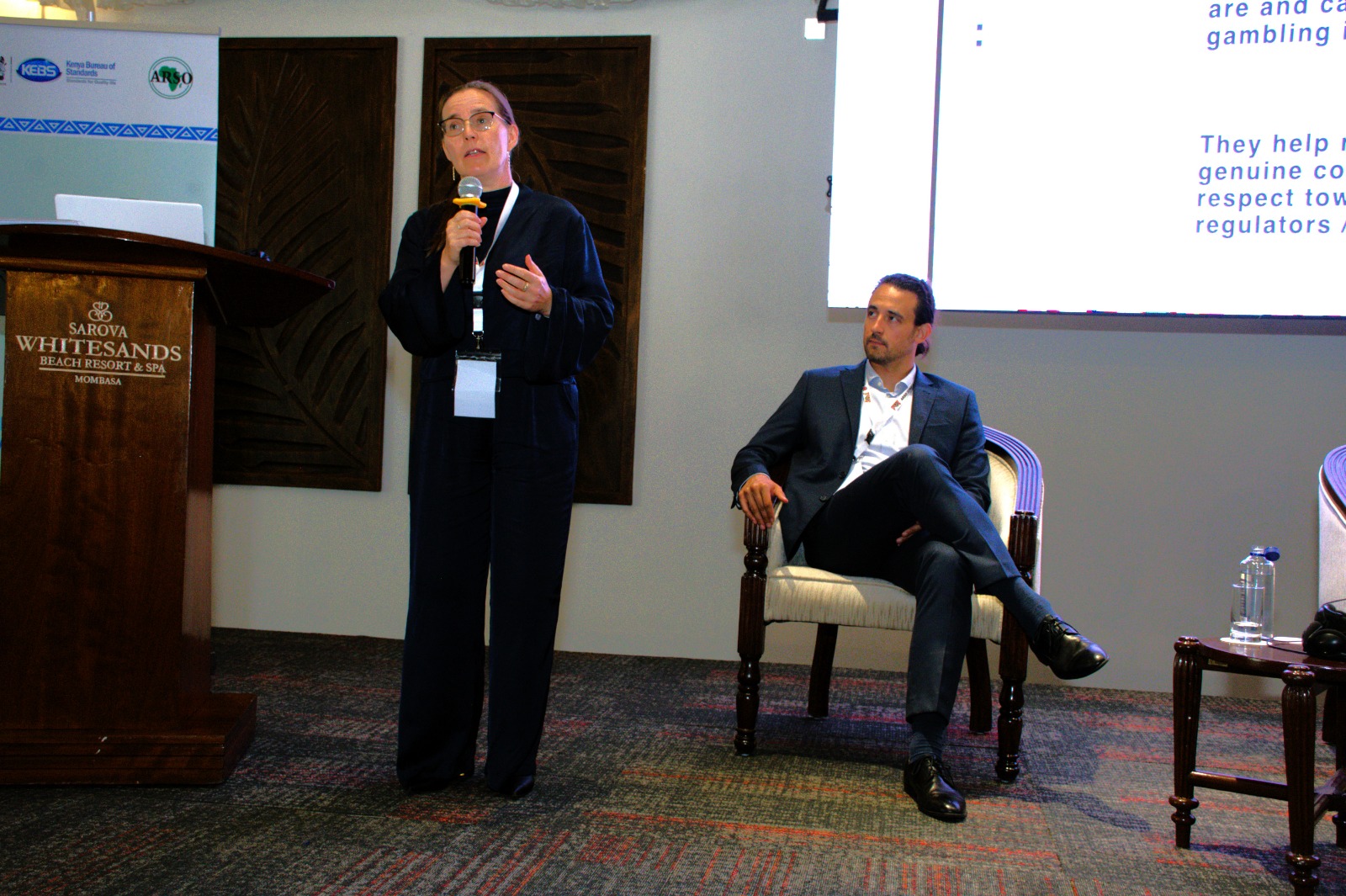
ARSO: Presents Africa Online Gambling Self-Exclusion Standards Proposal
Summary
- Experts have called for the standardization of self-exclusion systems in Africa's growing online gambling industry.
- A proposal to develop clear standards for self-exclusion was presented at the 32nd General Assembly of the African Organisation for Standardisation (ARSO).
- Self-exclusion is recognized as a key tool for protecting individuals from gambling-related harm.
- The initiative aims to create unified responsible gambling regulations across the continent.
- This development could lead to new compliance requirements for online betting operators in Africa.
What Happened
For compliance officers and legal counsel representing online gambling operators throughout Kenya and the wider African continent, the progress of this Africa online gambling self-exclusion standards proposal warrants close and continuous monitoring.
The burgeoning online betting market across Africa has prompted a significant call for enhanced consumer protection measures, specifically regarding self-exclusion systems. Experts in the field have recently advocated for the standardization of these crucial tools within the continent's rapidly expanding gambling industry. This push for uniformity follows the formal presentation of a comprehensive proposal aimed at establishing clear, continent-wide standards for self-exclusion.
This pivotal proposal was unveiled during the 32nd General Assembly of the African Organisation for Standardisation (ARSO). The initiative underscores the growing recognition that effective self-exclusion mechanisms are indispensable for safeguarding individuals from the potential harms associated with gambling. The presentation at such a prominent regional body signals a serious intent to move towards a more harmonized and robust regulatory environment for online betting.
Legal and Regulatory Context
Self-exclusion stands as a fundamental component of responsible gambling regulations, designed to empower individuals to voluntarily restrict their access to betting platforms when they perceive a risk of developing or exacerbating gambling-related harm. The current landscape, characterized by diverse national approaches to online betting consumer protection standards, often results in fragmented and potentially inconsistent application of these safeguards across African jurisdictions. The proposed Africa online gambling self-exclusion standards proposal seeks to address this disparity.
The African Organisation for Standardisation (ARSO) plays a critical role in fostering economic integration through the harmonization of standards across various sectors. Its involvement in this initiative suggests a move towards developing a unified framework for gambling harm self-exclusion systems, which could significantly impact how online operators manage their responsibilities. Such standardization would provide a clearer benchmark for compliance and consumer safety, moving beyond disparate Kenya betting self-exclusion rules or those in other individual nations.
Implications for Operators
For compliance officers and legal counsel representing online gambling operators throughout Kenya and the wider African continent, the progress of this Africa online gambling self-exclusion standards proposal warrants close and continuous monitoring. The potential for a unified set of responsible gambling regulations Africa-wide could fundamentally reshape operational requirements and compliance strategies. This development signals a shift towards more stringent and standardized consumer protection.
Should these proposed standards be adopted, they are likely to usher in new regulatory frameworks that demand significant adjustments from operators. This could translate into increased compliance burdens, requiring substantial investment in updated technology, training, and internal protocols to meet the new benchmarks for gambling harm self-exclusion systems. Furthermore, the enhanced focus on consumer protection could expose operators to new liabilities if their self-exclusion mechanisms fail to meet the standardized requirements, making proactive engagement with these evolving standards crucial.
Practical Implications
Compliance officers and legal counsel for online gambling operators in Kenya and across Africa should closely monitor the progress of this proposal for standardised self-exclusion rules. These developments could lead to new regulatory frameworks, increased compliance burdens, and potential liabilities related to consumer protection and responsible gambling practices.
Source
How does this affect you?
Get an AI analysis of this article grounded in your jurisdictions, practice areas, and any policy documents you've uploaded to Wansom.
Finish Reading the Full Expert Analysis.
Wansom is AI and can make mistakes.