
AfCoDD VI: Africa Debt Management Challenges From Poor Data, Oversight
Summary
- Experts at the sixth African Conference on Debt and Development (AfCoDD VI) in Nairobi, Kenya, highlighted critical threats to Africa's debt management.
- The primary concerns identified were poor debt data and weak oversight mechanisms across the continent.
- These issues collectively undermine effective financial governance and sustainable development in African nations.
- Legal and compliance professionals face heightened risks due to unreliable data, necessitating more rigorous due diligence in African sovereign debt and cross-border transactions.
Key Concerns Emerge from Nairobi Conference
For lawyers and compliance officers operating in the realm of African sovereign debt, project finance, or cross-border transactions, the issues of unreliable debt data and weak oversight present significant and heightened risks.
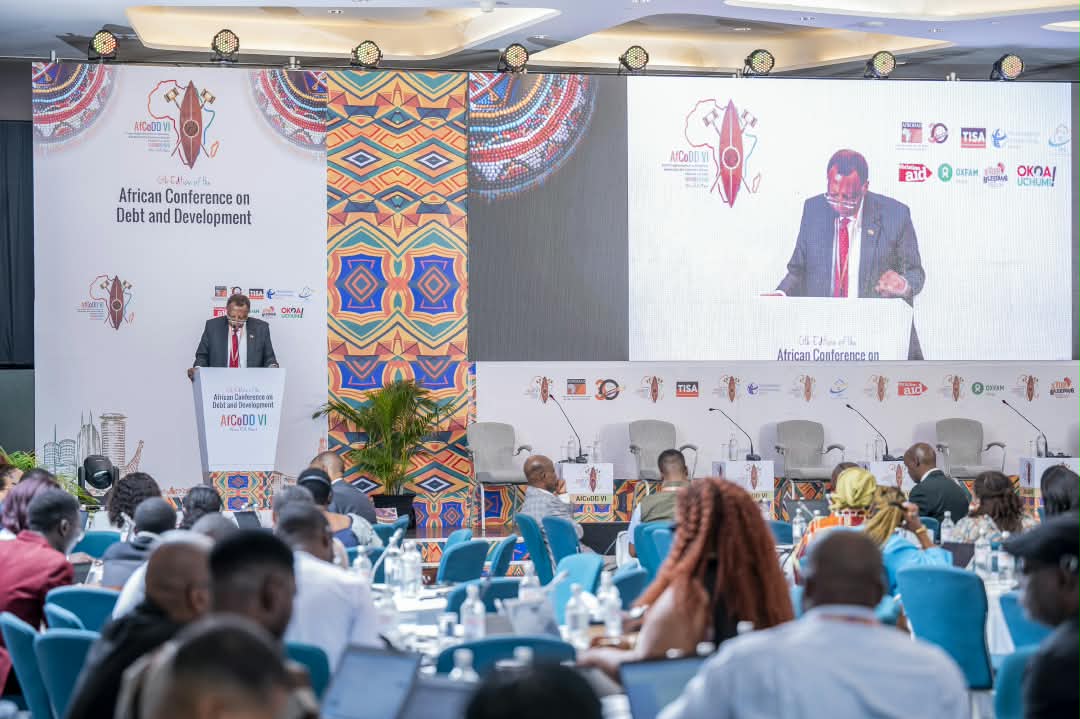
The sixth African Conference on Debt and Development (AfCoDD VI) recently convened in Nairobi, Kenya, bringing together experts to address pressing financial issues facing the continent. Organized by the African Forum and Network on Debt and Development (AFRODAD), the high-level gathering served as a critical platform for discussing the intricate challenges associated with managing Africa's sovereign debt. A central theme emerging from the discussions highlighted significant vulnerabilities within current frameworks.
Experts at the Nairobi debt conference (AfCoDD VI) in 2026 underscored that fundamental weaknesses are actively undermining the continent's ability to effectively manage its financial obligations. Specifically, two critical areas were identified as posing substantial threats to sound debt management across Africa: the prevalence of poor quality debt data and systemic deficiencies in oversight mechanisms. These issues collectively contribute to the broader AfCoDD VI Africa debt management challenges, demanding urgent attention from policymakers and international partners alike.
The consensus among participants was clear: without robust data and stringent oversight, African nations face an uphill battle in navigating their fiscal landscapes. The African Conference on Debt and Development provided a forum for these concerns to be articulated, emphasizing the need for comprehensive reforms to safeguard economic stability and foster sustainable development amidst growing debt burdens.
The Dual Threat: Data Deficiencies and Oversight Gaps
The experts at the recent conference meticulously detailed how the lack of reliable information, often termed Africa sovereign debt data issues, directly impedes effective financial governance. When debt data is incomplete, inaccurate, or inconsistently reported, governments struggle to form a clear picture of their total liabilities, repayment schedules, and the true cost of borrowing. This opacity makes it exceedingly difficult to formulate sound fiscal policies, negotiate favorable terms with creditors, or even accurately assess the sustainability of existing debt portfolios. The absence of precise data can lead to misinformed decisions, potentially exacerbating financial vulnerabilities rather than mitigating them.
Compounding the problem of inadequate data is the pervasive issue of weak debt management Africa, particularly concerning oversight. Experts highlighted that even when some data exists, the mechanisms for monitoring, evaluating, and enforcing debt-related policies are often insufficient. This lack of robust AFRODAD debt oversight Africa creates an environment where potential mismanagement can go unchecked, and accountability for financial decisions may be diffuse. Without strong institutional frameworks and transparent processes, the risk of accumulating unsustainable debt increases, as does the potential for funds to be misallocated or misused.
These two interconnected problems — poor data and weak oversight — create a vicious cycle. Unreliable data prevents effective oversight, and weak oversight allows data deficiencies to persist without adequate corrective action. Addressing these foundational issues is paramount for any meaningful progress in strengthening Africa's overall debt management capabilities and ensuring long-term economic resilience.
Broader Implications for African Economies
The ramifications of poor debt data and weak oversight extend far beyond administrative inefficiencies; they pose a direct threat to the economic stability and developmental prospects of African nations. When a country's debt profile is unclear or poorly managed, it can deter foreign direct investment, increase borrowing costs on international markets due to perceived higher risk, and ultimately divert crucial resources away from essential public services like healthcare, education, and infrastructure development. The inability to accurately assess and manage debt can lead to cycles of refinancing at unfavorable rates, further entrenching fiscal challenges.
Moreover, these systemic weaknesses can erode public trust in government financial management and undermine efforts to achieve sustainable development goals. The lack of transparency and accountability inherent in weak oversight mechanisms can also create opportunities for corruption, further draining national resources. Ultimately, the collective impact of these issues can hinder economic growth, exacerbate poverty, and limit the capacity of African states to respond effectively to external shocks, such as global economic downturns or public health crises.
Effective debt management is not merely a technical exercise; it is a cornerstone of national sovereignty and economic self-determination. The challenges identified by experts at the AfCoDD VI conference underscore the urgent need for African governments to invest in strengthening their institutional capacities, improving data collection methodologies, and implementing rigorous oversight frameworks to protect their financial futures.
Heightened Risks for Legal and Compliance Professionals
For lawyers and compliance officers operating in the realm of African sovereign debt, project finance, or cross-border transactions, the issues of unreliable debt data and weak oversight present significant and heightened risks. The absence of accurate and comprehensive financial information makes conducting thorough due diligence exceptionally challenging. Legal professionals advising clients on investments, loans, or contractual agreements with African governments must contend with a landscape where the true financial health and liabilities of a sovereign entity may be obscured, complicating risk assessment and the drafting of robust legal protections.
This environment necessitates a more rigorous approach to due diligence than might be required in jurisdictions with transparent and well-regulated financial systems. Lawyers must go beyond standard checks, seeking alternative data sources, scrutinizing contractual clauses for greater protection against unforeseen liabilities, and advising clients on the potential for sovereign default or restructuring based on incomplete information. Compliance officers, similarly, face increased complexity in ensuring adherence to anti-corruption regulations and responsible lending principles when the underlying financial data and oversight mechanisms are compromised.
Therefore, legal and compliance advisory roles in this context demand an acute awareness of these systemic vulnerabilities. Professionals must proactively identify and mitigate risks associated with data gaps and oversight deficiencies, ensuring that their clients are fully informed of the potential pitfalls and that transactions are structured to account for these unique AfCoDD VI Africa debt management challenges. This proactive stance is crucial for safeguarding investments and maintaining ethical standards in a complex financial environment.
Practical Implications
Lawyers and compliance officers involved in African sovereign debt, project finance, or cross-border transactions should note the heightened risks associated with unreliable debt data and weak oversight, necessitating more rigorous due diligence and risk assessment in their advisory roles.
Source
How does this affect you?
Get an AI analysis of this article grounded in your jurisdictions, practice areas, and any policy documents you've uploaded to Wansom.
Finish this article free. Just your email for instant unlock.
Wansom is AI and can make mistakes.