
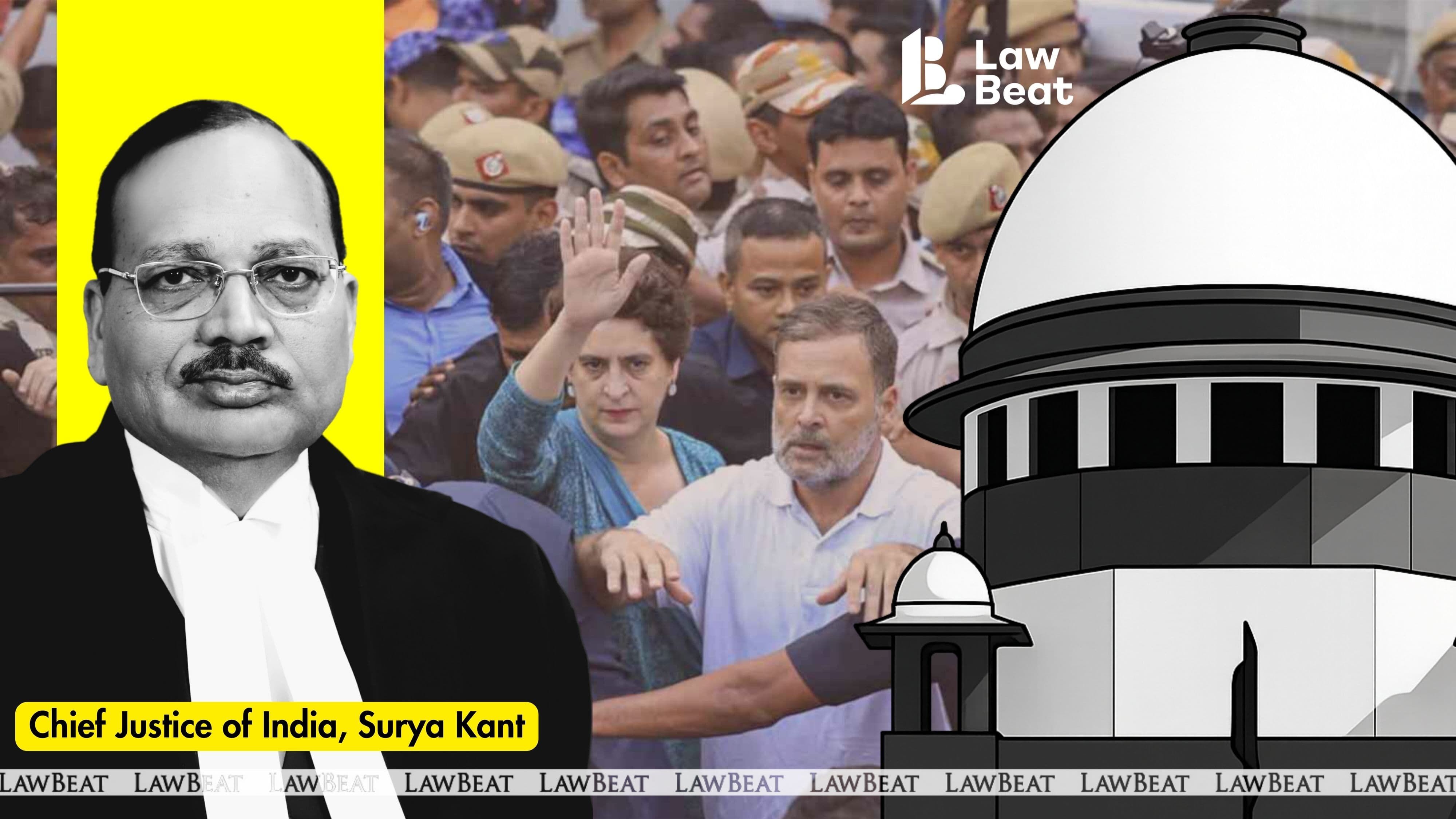
Supreme Court: Advocates File PIL to Ban Political Protests in Court Complexes
Summary
- Four advocates have filed a Public Interest Litigation (PIL) in the Supreme Court.
- The PIL seeks to ban political processions, sloganeering, and party flags within judicial complexes.
- It also requests a declaration preventing political leaders from administratively petitioning the Chief Justice on pending cases.
- The petition further asks the court to examine if opposition leaders' conduct on October 12 amounted to criminal contempt.
What Happened
The outcome of this PIL carries significant implications for the future conduct of political activity in and around judicial institutions, as well as for the broader relationship between the political class and the judiciary.
A Public Interest Litigation (PIL) has been initiated in the Supreme Court by four advocates, seeking to implement a comprehensive ban on various forms of political expression within judicial complexes across the country. The petitioners specifically requested the court to prohibit political processions, the use of party flags, and any form of sloganeering within these sensitive judicial environments. This move aims to preserve the sanctity and impartiality of court premises, ensuring they remain free from partisan displays and activities.
Beyond the physical manifestations of political activity, the PIL also addresses the administrative interface between political leaders and the judiciary. It calls for a definitive declaration that political leaders are not permitted to petition the Chief Justice on the administrative side concerning any case that is currently pending before the court. This aspect of the petition seeks to reinforce the principle of judicial independence and prevent any perception of undue influence or direct lobbying by political figures on ongoing legal matters.
Furthermore, the advocates have urged the Supreme Court to undertake an examination into the conduct of certain opposition leaders on October 12. The PIL specifically asks the court to determine whether the actions exhibited by these leaders on that particular date could be construed as amounting to criminal contempt of court. This request highlights a concern about maintaining the dignity and authority of the judicial system, particularly in the face of public actions by political figures that might challenge its integrity.
Legal Context
The filing of this PIL ban political protests court complexes brings several critical legal principles into sharp focus. Public Interest Litigations are a mechanism through which individuals or groups can approach the judiciary to address issues of public importance, often where there is a broader public interest at stake beyond individual grievances. In this instance, the petitioners are arguing for the protection of judicial spaces from political interference, which is a matter of significant public concern regarding the rule of law and the administration of justice.
The request to bar political leaders from administratively petitioning the Chief Justice on pending cases touches upon the delicate balance between the judiciary and other branches of government. The administrative side of the Chief Justice's office typically deals with matters of court management and allocation of cases, not the merits of a pending dispute. Allowing political leaders to directly engage on this front in pending cases could be seen as circumventing established legal procedures and potentially undermining the impartiality of the judicial process. The PIL seeks to formalize a clear boundary to prevent such interactions.
Moreover, the call for an inquiry into criminal contempt against opposition leaders underscores the judiciary's inherent power to protect its own authority and prevent actions that obstruct justice or lower its dignity. Criminal contempt can arise from publications or acts that scandalize or tend to scandalize, or lower or tend to lower the authority of any court; or prejudice, or interfere or tend to interfere with, the due course of any judicial proceeding; or interfere or tend to interfere with, or obstruct or tend to obstruct, the administration of justice. The court's decision on this aspect would set a precedent for how political conduct in relation to judicial matters is perceived and regulated.
Why It Matters
The outcome of this PIL carries significant implications for the future conduct of political activity in and around judicial institutions, as well as for the broader relationship between the political class and the judiciary. Should the Supreme Court grant the requests, it would establish clear boundaries for political expression within judicial complexes, potentially impacting the right to protest and freedom of speech when exercised in these specific environments. This could lead to a more stringent enforcement of decorum and neutrality within court premises, reinforcing the idea that these are spaces dedicated solely to the dispensation of justice.
The potential declaration regarding administrative petitions by political leaders could redefine how high-ranking political figures interact with the Chief Justice's office, particularly concerning ongoing cases. Such a ruling would bolster the perception of judicial independence by creating a formal barrier against direct political intervention in the administrative oversight of pending legal matters. This is crucial for maintaining public trust in the impartiality of the judicial system and ensuring that cases are decided strictly on their legal merits, free from external pressures.
Finally, the Supreme Court's decision on whether the opposition leaders' conduct on October 12 constitutes criminal contempt will be closely watched. A finding of contempt could have serious repercussions for the individuals involved and would send a strong message about the limits of political criticism or action when it is perceived to undermine the judiciary. Conversely, a decision against contempt would also provide clarity on the permissible scope of political expression even when directed at judicial figures or processes. This case, therefore, stands to shape the future landscape of political engagement with the judiciary in India.
Practical Implications
Lawyers should monitor this Public Interest Litigation as its outcome could establish new precedents regarding permissible conduct within judicial complexes, potentially impacting free speech, the definition of contempt of court, and how political figures or their representatives interact with the judiciary on administrative matters.
Source
How does this affect you?
Get an AI analysis of this article grounded in your jurisdictions, practice areas, and any policy documents you've uploaded to Wansom.
Finish Reading the Full Story and the Expert Analysis.
Get the latest legal & regulatory intelligence in India
Wansom is AI and can make mistakes.