
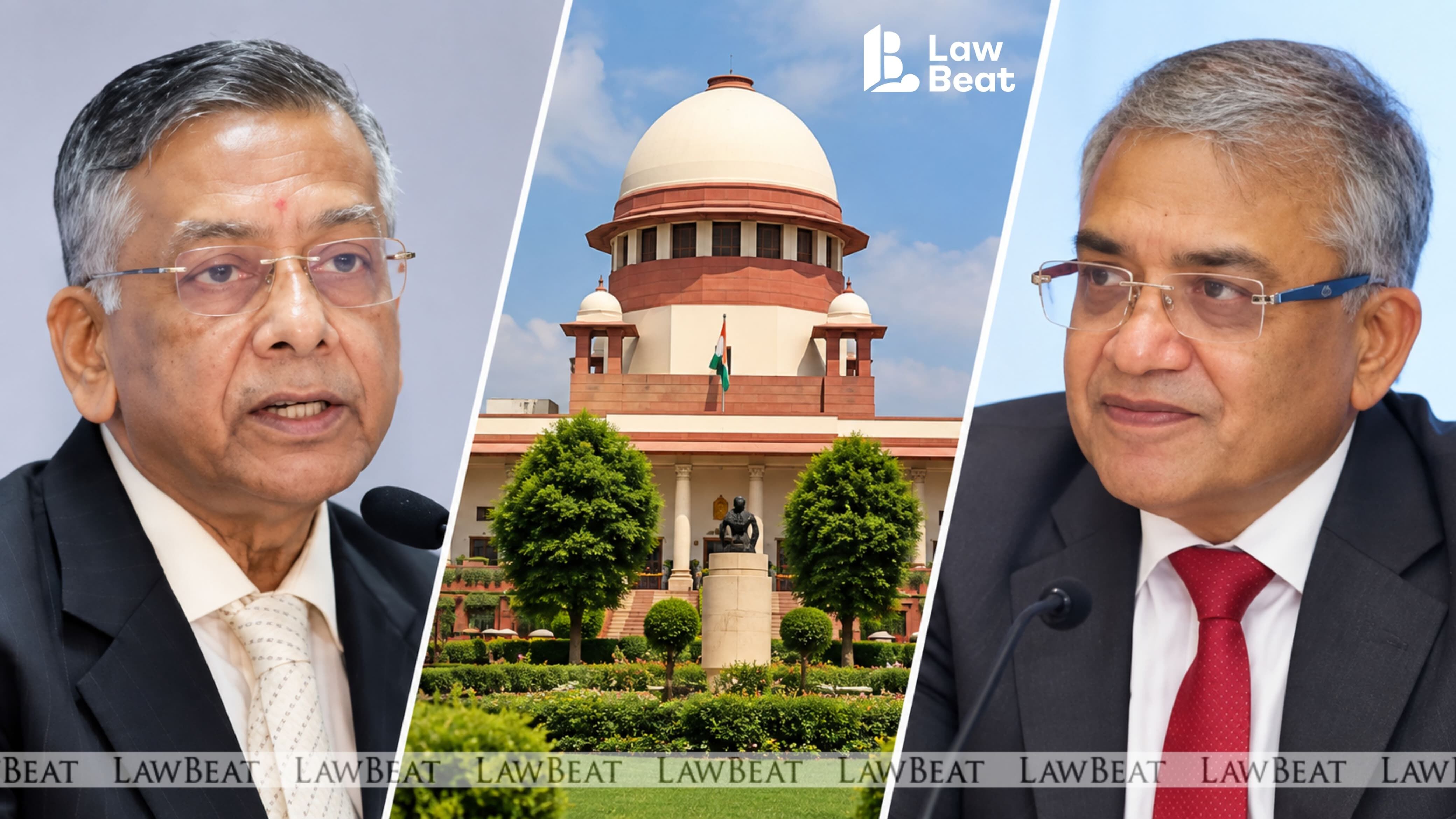
Advocate: Seeks AG Consent for Contempt Proceedings Against CEC Gyanesh Kumar
Advocate Brajesh Singh has formally sought the Attorney General for India's consent to initiate criminal contempt proceedings before the Supreme Court against Chief Election Commissioner (CEC) Gyanesh Kumar, alleging that the CEC's conduct constitutes a "one-man autocracy" and defies binding Supreme Court rulings on the multi-member functioning of the Election Commission of India (ECI).
Advocate Brajesh Singh has requested the Attorney General for India, R. Venkataramani, to grant statutory consent for initiating criminal contempt proceedings against Chief Election Commissioner Gyanesh Kumar. The request, made via email on September 24, is predicated on the assertion that the CEC's actions demonstrate a "one-man autocracy" that contravenes the Supreme Court's directives regarding the collegial functioning of the multi-member Election Commission of India. This move follows an investigative report published in The Indian Express on September 23, 2026 (likely a typo for 2023 or 2024), which highlighted instances where Election Commissioners Sukhbir Singh Sandhu and Vivek Joshi reportedly flagged decisions made without their knowledge. The advocate's letter explicitly states that a formal contempt petition will only be filed once the requisite consent from the Attorney General is obtained, as mandated by law. The outcome of this request for consent is not reported.
This development carries significant legal and constitutional implications, particularly concerning the independence and functioning of the Election Commission of India, a vital constitutional body. The requirement for the Attorney General's consent under the Contempt of Courts Act, 1971, acts as a gatekeeper, preventing frivolous contempt petitions and ensuring that only serious matters reach the Supreme Court. If consent is granted and proceedings are initiated, it could lead to a judicial examination of the internal decision-making processes within the ECI and the extent to which the CEC is bound by the collective will of the multi-member body, as interpreted by previous Supreme Court rulings. This could potentially redefine the operational dynamics of the ECI and reinforce the principles of collective responsibility and democratic functioning within constitutional institutions.
The legal framework underpinning this action involves the Contempt of Courts Act, 1971, specifically Section 15(1)(b) which deals with criminal contempt initiated by a private person with the consent of the Attorney General, and Section 2(c) which defines criminal contempt. Additionally, Rule 3 of the Rules to Regulate Proceedings for Contempt of the Supreme Court, 1975, outlines the procedural requirements. The core of the advocate's argument rests on alleged defiance of "binding Supreme Court rulings" concerning the ECI's multi-member structure, implying that the CEC's actions undermine the judicial pronouncements on the ECI's constitutional mandate and operational integrity. The Election Commission of India is a constitutional body established under Article 324 of the Constitution, and its independent and impartial functioning is crucial for democratic elections. The Supreme Court, as the highest judicial authority, has the power to enforce its orders and uphold the rule of law through contempt proceedings.
Legal professionals should closely monitor the Attorney General's decision regarding consent, as it will determine whether this matter proceeds to the Supreme Court. This case highlights the critical role of the Attorney General in safeguarding the judicial process from unwarranted contempt actions while also ensuring accountability for alleged defiance of court orders. For those advising constitutional bodies or public officials, it underscores the importance of adhering strictly to judicial pronouncements regarding institutional functioning and collective decision-making. The outcome, if proceedings are initiated, could set important precedents for the governance and internal dynamics of multi-member constitutional bodies in India.
How does this affect you?
Get an AI analysis of this article grounded in your jurisdictions, practice areas, and any policy documents you've uploaded to Wansom.
Finish Reading the Full Story and the Expert Analysis.
Get the latest legal & regulatory intelligence in India
Wansom is AI and can make mistakes.