
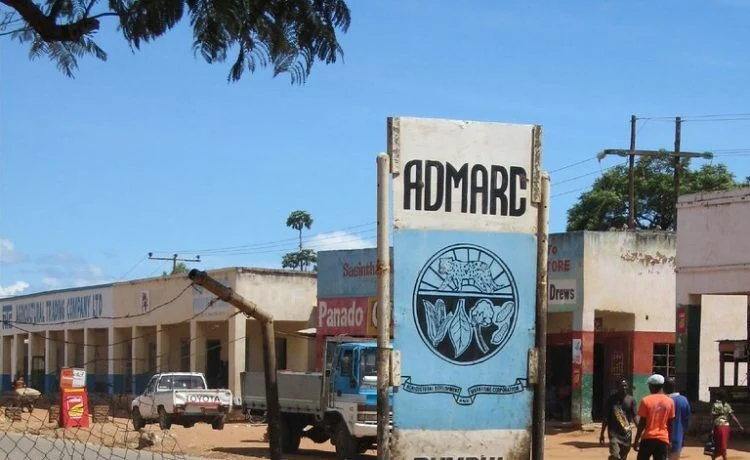
ADMARC: K30m Tarpaulin Procurement Malawi Halted Over Price Discrepancy
Summary
- Malawi's state-owned ADMARC had planned to spend K2.97 billion to procure 100 tarpaulins, but the deal has been halted.
- The proposed cost per tarpaulin was nearly K30 million, a tenfold increase over the market value of K3 million.
- The total 'ADMARC K2.97bn tarpaulin deal', which has since been halted, exceeded the government's K2.5 billion contribution for 55 health posts.
- The procurement budget was almost equivalent to the K3 billion allocated for the construction of a national Cancer Centre.
- This case highlights potential public procurement irregularities and inflated contract prices within Malawian state-owned enterprises, signaling increased scrutiny.
What Happened
For legal and compliance professionals, this case signals a period of heightened scrutiny on public procurement practices throughout Malawi, especially concerning state-owned entities like ADMARC.
The Agricultural Development and Marketing Corporation (ADMARC) Limited, a state-owned enterprise in Malawi, had unveiled plans for a significant procurement initiative involving tarpaulins. This 'ADMARC K2.97bn tarpaulin deal', which was slated for the acquisition of 100 units, has since been halted by the Anti-Corruption Bureau (ACB) pending an audit of the procurement process. This particular 'ADMARC K30m tarpaulin procurement Malawi' had rapidly become a subject of intense public interest and scrutiny, primarily due to a substantial divergence from typical market pricing.
Independent investigations conducted by Malawi24 have established that the prevailing market value for even large, heavy-duty industrial tarpaulins is approximately K3 million per unit. This critical finding reveals a tenfold difference between the price ADMARC had intended to pay and the actual, verifiable cost of such materials in the open market. The stark discrepancy immediately raises serious questions about the financial stewardship and procurement integrity within the state-owned entity, prompting concerns over potential inefficiencies or worse.
Financial Context and Discrepancy
The total financial outlay that was proposed for the 'ADMARC K2.97bn tarpaulin deal' is not merely a large sum in isolation; its magnitude becomes particularly striking when compared to other crucial national development projects. For instance, the K2.97 billion earmarked for these tarpaulins significantly surpassed the K2.5 billion contribution that the Malawian government has allocated towards the construction of 55 essential health posts across the country. This comparison vividly illustrates the considerable scale of the planned expenditure for what is essentially a single type of commodity.
Moreover, the budget for this tarpaulin procurement almost precisely matched the entire K3 billion allocation that has been designated for the construction of a much-anticipated Cancer Centre. Such direct comparisons powerfully underscore the immense financial resources involved in this specific ADMARC transaction. The substantial gap between the proposed expenditure and the actual market value of the goods strongly suggests the presence of 'ADMARC inflated contract prices,' indicating a potential for severe financial mismanagement or other irregularities within the public procurement process.
Broader Implications for Governance and Compliance
The profound discrepancy uncovered in the 'ADMARC K30m tarpaulin procurement Malawi' serves as a stark indicator of potential 'Malawi public procurement irregularities' that demand immediate and rigorous investigation. Such instances, particularly within the context of a 'State-owned enterprise corruption Malawi' narrative, often point to deeper systemic vulnerabilities in financial controls, transparency, and accountability mechanisms. The ramifications extend beyond mere monetary loss, potentially undermining public trust in government institutions and diverting critical funds from vital public services.
For legal and compliance professionals, this case signals a period of heightened scrutiny on public procurement practices throughout Malawi, especially concerning state-owned entities like ADMARC. It unequivocally suggests an increased risk of investigations into contract pricing, transparency, and allegations of corruption. Therefore, any organizations or individuals engaging in business with Malawian state-owned enterprises must prioritize robust due diligence and implement stringent compliance frameworks. This proactive approach is essential to mitigate potential legal and reputational risks, ensuring adherence to ethical standards and contributing to more effective 'Malawi government spending oversight'.
Practical Implications
Lawyers and compliance officers should note this case as a potential indicator of heightened scrutiny on public procurement in Malawi, particularly concerning state-owned enterprises like ADMARC. It signals increased risk of investigations into contract pricing, transparency, and potential corruption, necessitating robust due diligence and compliance frameworks for any dealings with such entities.
Source
Source: Original reporting via Malawi24
How does this affect you?
Get an AI analysis of this article grounded in your jurisdictions, practice areas, and any policy documents you've uploaded to Wansom.
Finish Reading the Full Story and the Expert Analysis.
Get the latest legal & regulatory intelligence in Malawi
Wansom is AI and can make mistakes.