
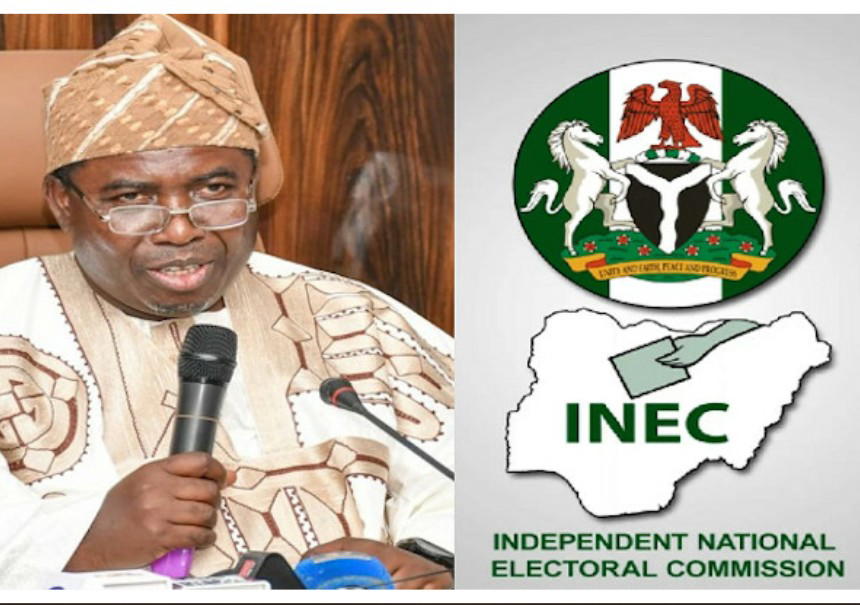
ADC Appeals: Court to Prevent INEC Records Tampering
Summary
- The African Democratic Congress (ADC) has appealed to the Court of Appeal to prevent the Independent National Electoral Commission (INEC) from changing its leadership records.
- The ADC also seeks to restrain INEC from altering the nomination particulars of its presidential and governorship candidates.
- This appeal is pending the determination of the ADC's challenge to a judgment delivered on November 5, 2026, by Justice Peter Lifu of the Federal High Court, Abuja.
- The party aims to protect its internal structure and candidate selections from unilateral changes by the electoral body.
- The case is critical for defining INEC's powers regarding party records and candidate nominations within Nigerian election litigation.
The Core Dispute
Lawyers advising political parties or involved in election petitions should closely monitor the outcome of this appeal, as it will clarify the extent of INEC's powers to alter party leadership and candidate records, and the procedural avenues available to challenge such actions following Justice Peter Lifu's November 5, 2026 Federal High Court judgment.
The African Democratic Congress (ADC) has initiated an appeal at the Court of Appeal, seeking an order to prevent the Independent National Electoral Commission (INEC) from making any changes to its official leadership records. This urgent request also extends to safeguarding the nomination details of its presidential and governorship candidates, ensuring these particulars remain unaltered by the electoral body.
The party's action at the appellate court is a direct response to a ruling issued on November 5, 2026, by Justice Peter Lifu of the Federal High Court in Abuja. The ADC is currently challenging the legitimacy and implications of this Federal High Court judgment, and its primary objective at the Court of Appeal is to secure an injunction that would maintain the status quo regarding its internal structure and candidate selections while its appeal against the lower court's decision is being heard and determined. This legal maneuver highlights a significant ADC appeal INEC records tampering concern, aiming to protect the party's integrity during a critical electoral period.
Legal Context and Implications
The request for a Court of Appeal INEC restraint underscores a fundamental aspect of Nigerian election litigation: the delicate balance between the autonomy of political parties and the regulatory oversight of the electoral commission. The African Democratic Congress INEC dispute centers on the potential for INEC to unilaterally alter records pertaining to party leadership and candidate nominations, which could have far-reaching consequences for the party's participation in upcoming elections.
Such alterations, if permitted, could effectively reshape the party's recognized leadership and invalidate its chosen candidates, thereby creating an INEC leadership candidates dispute that could destabilize the party's electoral efforts. The ADC's move to the Court of Appeal is a strategic attempt to ensure that any changes to its official data are halted until the legal challenge to Justice Peter Lifu's November 5, 2026 FHC judgment is fully resolved, preventing premature and potentially irreversible actions by the electoral body.
Why It Matters
This ongoing legal battle holds considerable significance for the broader landscape of Nigerian election litigation and the operational independence of political parties. The outcome of the ADC's appeal will provide crucial clarity on the extent of INEC's powers to intervene in the internal affairs of political parties, particularly concerning the registration and recognition of their leadership and nominated candidates. A ruling in favor of the ADC could reinforce the principle that such matters, once established, should not be subject to alteration by the electoral commission without due process and judicial review.
Conversely, a decision that allows INEC to proceed with changes could set a precedent for increased regulatory intervention, potentially impacting how other political parties manage their internal structures and candidate selections. Lawyers advising political parties or involved in election petitions should closely monitor the outcome of this appeal, as it will clarify the extent of INEC's powers to alter party leadership and candidate records, and the procedural avenues available to challenge such actions following Justice Peter Lifu's November 5, 2026 Federal High Court judgment. The resolution of this case will undoubtedly influence future interactions between political entities and the electoral commission, shaping the framework for electoral disputes in Nigeria.
Practical Implications
Lawyers advising political parties or involved in election petitions should closely monitor the outcome of this appeal, as it will clarify the extent of INEC's powers to alter party leadership and candidate records, and the procedural avenues available to challenge such actions following a Federal High Court judgment.
Source
How does this affect you?
Get an AI analysis of this article grounded in your jurisdictions, practice areas, and any policy documents you've uploaded to Wansom.
Finish Reading the Full Story and the Expert Analysis.
Get the latest legal & regulatory intelligence in Nigeria
Wansom is AI and can make mistakes.