
UNISFA: Abyei Amiet Market Reopening Agreement Signed by Ngok Dinka, Misseriya
Summary
- Community peace committees from the Ngok Dinka and Misseriya agreed to reopen the Amiet Common Market in Abyei after a two-week closure.
- The closure followed deadly violence on September 15 that killed 26 people and injured 82, triggered by separate killings from both communities.
- The agreement, reached in Todaj village and chaired by UNISFA, includes shared security responsibilities and a commitment to remove combat vehicles and weapons by October 10.
- UNISFA will maintain an enhanced security presence and work with community leaders to prevent further retaliation.
- Key issues, such as market operational details, accommodation, and addressing past violence, remain unresolved and will be discussed in future meetings.
Fragile Reopening for Abyei's Amiet Market
The Abyei Amiet market reopening agreement was forged during a meeting held in Todaj village on Monday, notably chaired by the Pakistani battalion of the United Nations Interim Security Force for Abyei (UNISFA).
A crucial agreement has been reached between community peace committees representing the Ngok Dinka and Misseriya, paving the way for the reopening of the Amiet Common Market in the Abyei region. This significant development, which marks a fragile de-escalation, follows a two-week closure prompted by intense violence that resulted in 26 fatalities and 82 injuries. The market, strategically located on the border between Sudan and South Sudan, is a vital hub for cross-border trade and economic activity.
The Abyei Amiet market reopening agreement was forged during a meeting held in Todaj village on Monday. The session was notably chaired by the Pakistani battalion of the United Nations Interim Security Force for Abyei (UNISFA), underscoring the international community's role in fostering stability in the disputed administrative area. Representatives from both the Ngok Dinka and Misseriya peace and youth committees formally signed the joint agreement, with UNISFA officials serving as witnesses to the accord.
This immediate resolution focuses on restoring essential market access, a critical step for the livelihoods of communities in the region. The violence that necessitated the market's closure erupted on September 15, triggered by separate killings of a Ngok Dinka man and a Misseriya man, which significantly heightened tensions between the two groups. The swift action to reopen the market reflects an urgent need to restore some semblance of normalcy and economic flow.
Enhanced Security Measures and UNISFA's Role
Central to the Abyei Amiet market reopening agreement are new provisions for Amiet Common Market security. The committees have agreed to a shared responsibility model, with security oversight to be jointly managed by UNISFA, local community police, and young people drawn from both the Ngok Dinka and Misseriya communities. This collaborative approach aims to build trust and ensure a safer environment for traders and residents alike.
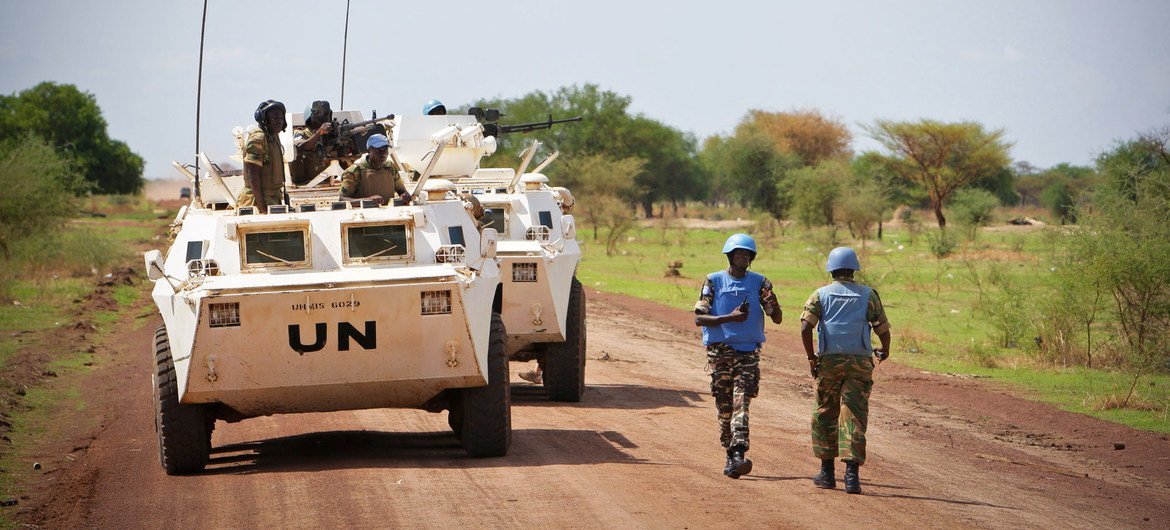
Further reinforcing security, the agreement includes a commitment to prevent unauthorized forces from entering the market area. A specific deadline of October 10 has been set for the withdrawal of all combat vehicles and weapons from the market premises. In the aftermath of the September violence, UNISFA had already reinforced its presence around Amiet and has committed to maintaining an enhanced security posture. The UNISFA Abyei peace deal efforts extend to working closely with community leaders to actively prevent any further retaliatory actions, which are crucial for sustained Abyei administrative area stability.
Lingering Issues and Future Discussions
Despite the positive step of reopening, several critical issues remain unresolved, highlighting the delicate nature of the current peace. Sultan Belbek Ding, a prominent Ngok Dinka leader, confirmed the market's reopening but emphasized that the detailed operational methods and other specific points regarding the market have yet to be finalized. The committees are slated to reconvene on Thursday to continue these discussions.
One key point of contention involves the market's infrastructure: whether it will incorporate accommodation facilities or function strictly as a trading site. The initial agreement stipulates that the market will operate solely for trading purposes, with residential areas maintained separately. Furthermore, the parties have not yet addressed the previous violence and its victims, a sensitive topic awaiting the arrival of the Misseriya administration from Nyala, which is anticipated on Saturday. Their participation is deemed essential for tackling these outstanding issues and ensuring comprehensive Ngok Dinka Misseriya market access and broader Sudan South Sudan border trade stability.
Practical Implications
This development signals a fragile de-escalation and potential for renewed, albeit limited, economic activity in the Abyei region. Lawyers advising clients with interests in cross-border trade or operations in the Sudan/South Sudan border area should monitor the sustained implementation of this agreement and the security situation for potential business opportunities or ongoing risks.
Source
How does this affect you?
Get an AI analysis of this article grounded in your jurisdictions, practice areas, and any policy documents you've uploaded to Wansom.
Finish Reading the Full Story and the Expert Analysis.
Get the latest legal & regulatory intelligence in Sudan
Wansom is AI and can make mistakes.