
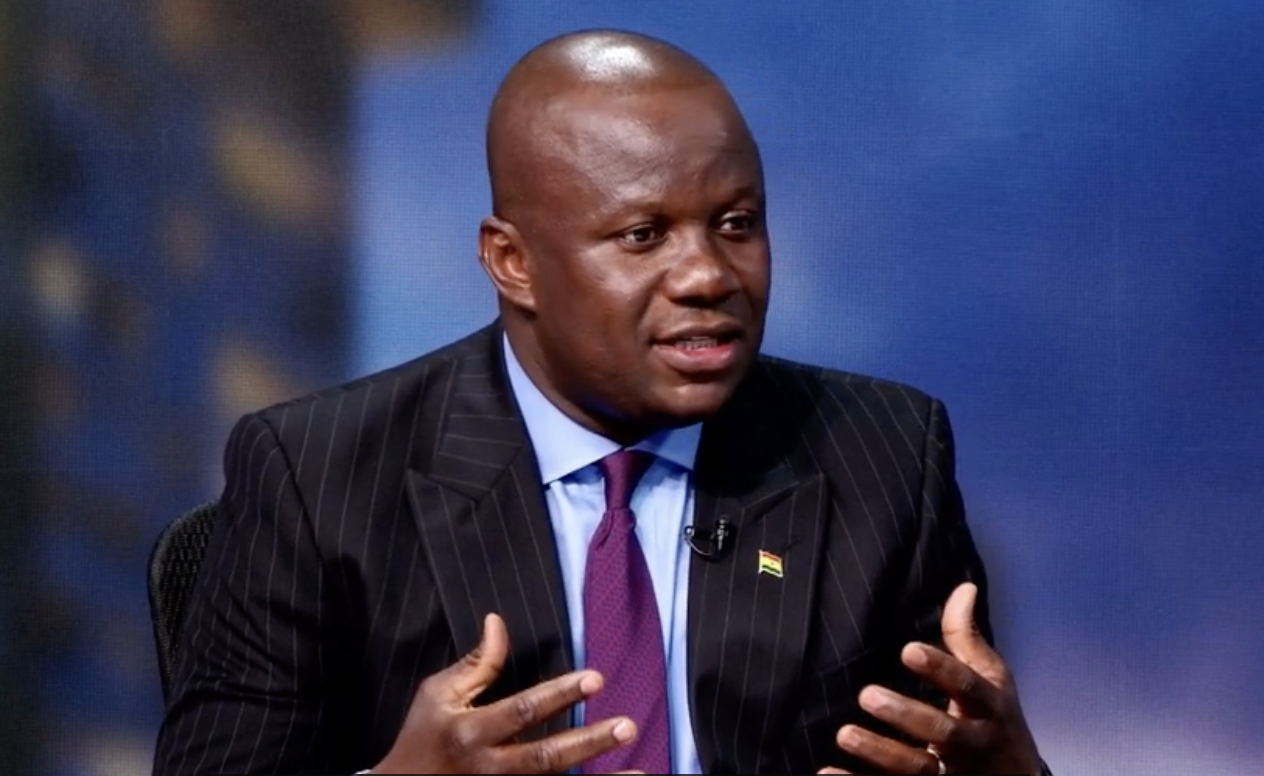
Abu Jinapor: Ghana Security Agencies' 'Rule of Men' Condemned
Summary
- Samuel Abu Jinapor, MP for Damongo, criticized the attempted arrest of Nana Agyei Baffour Awuah, MP for Manhyia South.
- The incident occurred at the Accra High Court on Wednesday, September 23.
- Jinapor stated that the actions of government and security agencies demonstrated a "blatant disregard for the rule of law."
- He raised concerns about how state security and investigative agencies exercise their powers, especially concerning sitting Members of Parliament.
- Jinapor warned that a "Rule of Men is replacing Rule of Law" in Ghana.
Controversial MP Arrest Attempt Sparks Outcry
This development signals a heightened concern among legal professionals regarding the potential erosion of the rule of law and due process in Ghana, particularly concerning the powers exercised by state security agencies against public officials.
The attempted apprehension of Nana Agyei Baffour Awuah, the Member of Parliament for Manhyia South, at the Accra High Court on Wednesday, September 23, has drawn sharp criticism from a prominent legislator. Samuel Abu Jinapor, who serves as both the Member of Parliament for Damongo and the Ranking Member of Parliament’s Foreign Affairs Committee, voiced profound concern over the incident. He characterized the actions of government bodies and security agencies as a "blatant disregard for the rule of law."
Mr. Jinapor specifically highlighted that the events unfolding at the Accra High Court raise significant questions regarding the operational methods employed by state security and investigative agencies. His apprehension centers on how these powerful entities exercise their authority, especially when their actions involve sitting Members of Parliament. This particular Accra High Court incident, according to Jinapor, underscores a worrying trend in the application of state power, prompting a broader discussion on the rule of law in Ghana.
Legal and Parliamentary Immunity Concerns
The incident involving the Manhyia South MP has ignited a crucial debate concerning the delicate balance between state security agencies' powers and the established legal frameworks governing public officials in Ghana. Samuel Abu Jinapor's remarks underscore a growing apprehension among legal observers about the potential erosion of due process and the specific protections afforded to elected representatives. The manner in which Ghana security agencies exercise their powers, particularly in environments like the Accra High Court, is now under intense scrutiny, raising questions about parliamentary immunity Ghana.
This development signals a heightened concern among legal professionals regarding the potential erosion of the rule of law and due process in Ghana, particularly concerning the powers exercised by state security agencies against public officials. Lawyers should be vigilant about parliamentary privilege and the proper limits of state authority when advising clients, especially those who may be targets of state investigations or arrests, as this incident could set a precedent for future challenges to legal norms. The actions of Ghana's security agencies in this context are seen as potentially challenging the established norms for engaging with parliamentary members, fueling the Ghana MP arrest rule of law debate.
Abu Jinapor Warns of 'Rule of Men' in Ghana
In a stark assessment of the current political climate, Samuel Abu Jinapor articulated his belief that a "Rule of Men is replacing Rule of Law" in Ghana. This powerful statement from the Damongo MP encapsulates a deep-seated worry that arbitrary decision-making and the unchecked exercise of power by individuals or specific state entities are beginning to supersede the established legal principles and constitutional safeguards. The attempted arrest of Nana Agyei Baffour Awuah serves as a critical example, in Jinapor's view, of this concerning shift.
The assertion by Abu Jinapor that the "Rule of Men" is supplanting the "Rule of Law" in Ghana carries significant implications for the nation's democratic health and its commitment to constitutional governance. It suggests a system where personal discretion or political expediency might take precedence over codified laws and due process, especially when state security agencies interact with figures like Members of Parliament. This perspective highlights a fundamental challenge to the principles of accountability and predictability that underpin a robust legal system, prompting a call for greater adherence to established legal norms and parliamentary protocols.
Practical Implications
This development signals a heightened concern among legal professionals regarding the potential erosion of the rule of law and due process in Ghana, particularly concerning the powers exercised by state security agencies against public officials. Lawyers should be vigilant about parliamentary privilege and the proper limits of state authority when advising clients, especially those who may be targets of state investigations or arrests, as this incident could set a precedent for future challenges to legal norms.
Source
How does this affect you?
Get an AI analysis of this article grounded in your jurisdictions, practice areas, and any policy documents you've uploaded to Wansom.
Finish Reading the Full Story and the Expert Analysis.
Get the latest legal & regulatory intelligence in Ghana
Wansom is AI and can make mistakes.