
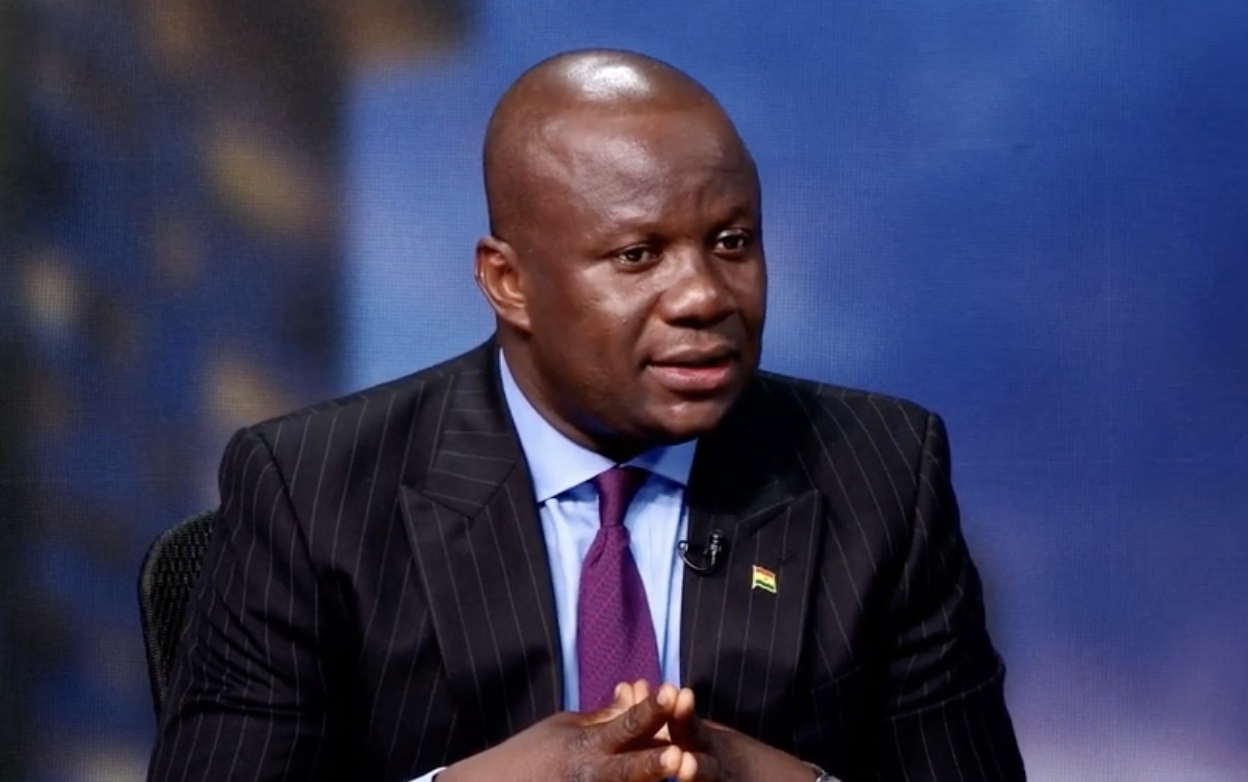
Abu Jinapor: Ghana Ministry Accused of South Africa Evacuation Corruption
Summary
- Samuel Abdulai Jinapor accused Ghana's Foreign Affairs Ministry of corruption regarding an evacuation from South Africa.
- He claims the Ministry failed to adequately account for funds spent on evacuating Ghanaians.
- Jinapor, a Ranking Member of Parliament's Foreign Affairs Committee, described the operation as a "grand scheme of corruption."
- He alleges the scheme was designed to siphon public funds.
- The allegations highlight concerns over financial transparency and accountability within the Ghanaian government.
Allegations of Corruption Surface
The accusation that the entire evacuation exercise constituted a "grand scheme of corruption to siphon public funds" underscores significant concerns regarding financial accountability within the Ghanaian government.
Samuel Abdulai Jinapor, who serves as the Ranking Member on Parliament’s Foreign Affairs Committee, has brought forth serious accusations against the Ghana Foreign Affairs Ministry. These allegations center on the Ministry's handling of funds allocated for the evacuation of Ghanaian citizens from South Africa, an operation that has now come under intense scrutiny.
Mr. Jinapor explicitly stated that the Ministry has failed to provide an adequate accounting for the expenditures incurred during this critical evacuation effort. He characterized the entire exercise as a "grand scheme of corruption to siphon public funds," indicating a belief that the financial mismanagement was not merely an oversight but a deliberate act of malfeasance. The gravity of these claims, particularly from a high-ranking parliamentary official, signals a significant challenge to the Ministry's transparency and accountability.
Focus on Financial Accountability
The core of the issue, as highlighted by Samuel Abdulai Jinapor, revolves around the alleged lack of financial transparency surrounding the Ghanaian evacuation expenditure scandal. His assertion that the Foreign Affairs Ministry has not sufficiently detailed how public money was spent on the South Africa evacuation suggests a profound deficit in oversight and fiscal responsibility. This situation raises questions about the mechanisms in place to safeguard public funds during emergency operations.
The accusation of "public funds siphoning" by Samuel Abdulai Jinapor implies a deliberate diversion of resources intended for a humanitarian effort. Such a claim, if substantiated, would represent a severe breach of public trust and a significant failure in governance, demanding a thorough Parliament Foreign Affairs Committee Ghana investigation to ascertain the facts and hold responsible parties accountable.
Legal and Regulatory Context
In Ghana, government ministries are bound by strict public financial management laws and regulations that mandate transparency and accountability in all expenditures, especially those involving public funds. The Parliament, through its various committees like the Foreign Affairs Committee, plays a crucial oversight role, tasked with scrutinizing government operations and ensuring adherence to these legal frameworks. When a Ranking Member like Samuel Abdulai Jinapor raises such pointed Ghana Foreign Affairs Ministry corruption allegations, it triggers a formal process of inquiry and demands for detailed explanations.
Why This Matters
These allegations carry significant weight for public confidence in government institutions and the integrity of public service in Ghana. The accusation of a "grand scheme of corruption to siphon public funds" during a humanitarian evacuation effort could erode trust and undermine the public's belief in the ethical conduct of state officials. It underscores the critical importance of robust financial controls and transparent reporting within all government bodies.
Moreover, the ongoing scrutiny of the Ghanaian evacuation expenditure scandal, spearheaded by figures like Samuel Abdulai Jinapor, signals a heightened focus on accountability for government spending. This development could lead to increased vigilance over public procurement processes and government contracts across the board, potentially influencing future policy decisions aimed at strengthening anti-corruption measures and ensuring greater fiscal discipline within the Ghanaian administration.
Practical Implications
Lawyers advising clients on public procurement or government contracts in Ghana should monitor developments in this alleged corruption scheme, as it may signal increased scrutiny on government expenditure and accountability, potentially leading to new compliance requirements or investigations.
Source
How does this affect you?
Get an AI analysis of this article grounded in your jurisdictions, practice areas, and any policy documents you've uploaded to Wansom.
Finish Reading the Full Story and the Expert Analysis.
Wansom is AI and can make mistakes.