
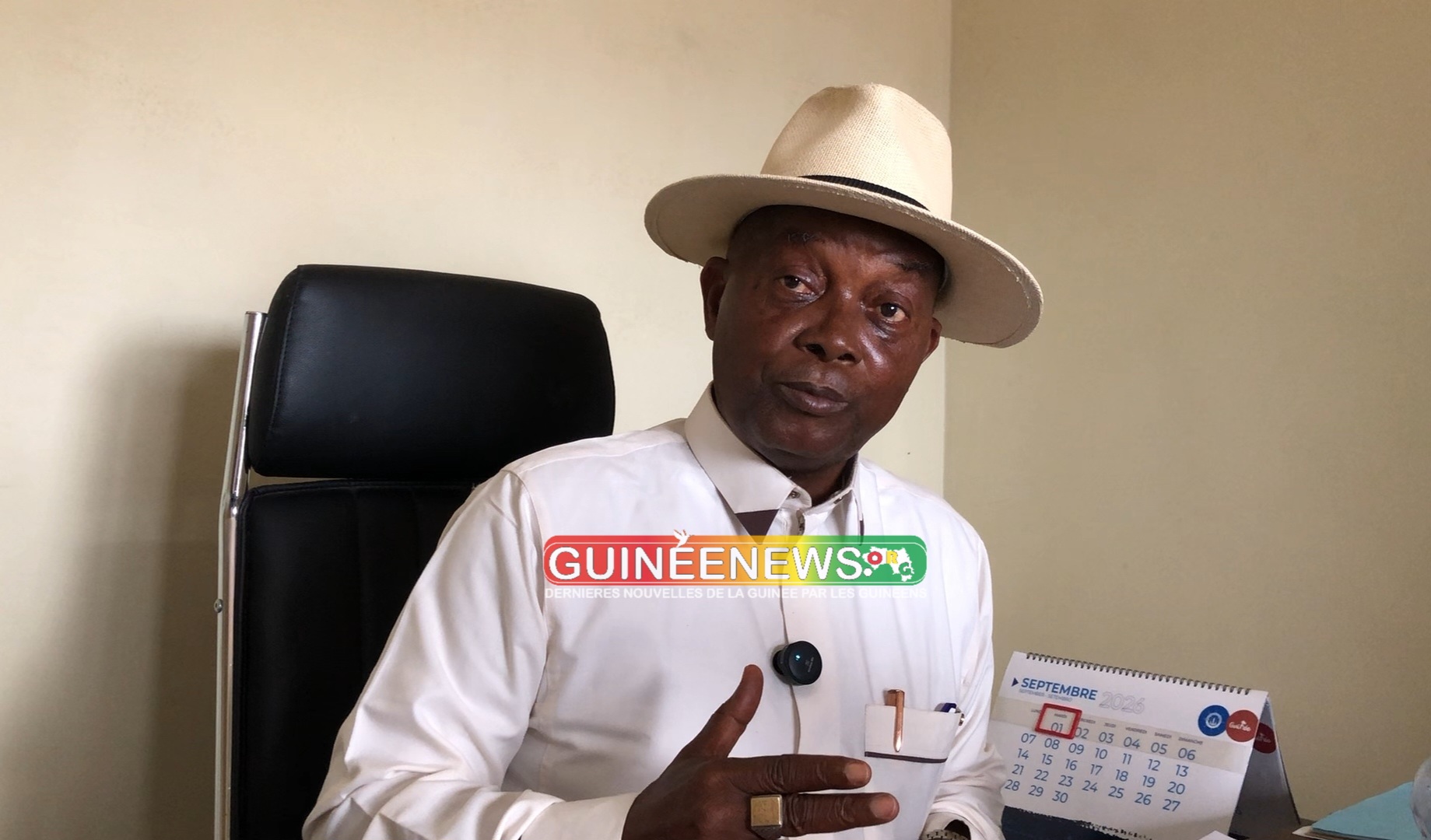
Aboubacar Soumah: Guinea Teacher Salaries Not Unilaterally Demanded
Summary
- Aboubacar Soumah stated that teachers cannot currently demand salary increases.
- Commissions are actively working on a Protocol d'accord that was signed on January 3, 2026.
- These commissions are expected to find solutions to all outstanding points before the 2026 school opening.
- The 2026 school opening in Guinea is reportedly threatened by teacher anger over salaries.
What Happened
The commitment to finding a resolution before the Guinée rentrée scolaire 2026 highlights the government's recognition of the essential role teachers play and the potential societal impact of prolonged industrial action.
The impending 2026 school opening in Guinea is currently overshadowed by significant concerns regarding teacher salaries, a situation that has prompted a direct intervention from Aboubacar Soumah. Amidst a climate where the commencement of classes for the 2026 academic year is perceived to be at risk due to educator discontent, Soumah has issued a clarifying statement. He explicitly communicated that, at this juncture, teachers are not in a position to unilaterally demand salary increases. This declaration serves as an official update, aiming to manage expectations and provide clarity on the established mechanisms for addressing compensation issues for Guinea's teaching staff.
The backdrop to Soumah's remarks is a palpable sense of unease among educators, whose frustrations over remuneration could potentially disrupt the Guinée rentrée scolaire 2026. His statement underscores the government's perspective on the appropriate channels for addressing such grievances, emphasizing a structured approach over immediate, direct demands. This public clarification by Aboubacar Soumah regarding Guinea teacher salaries is critical for understanding the official stance as the nation approaches its next academic cycle.
The Established Framework for Resolution
The path forward for resolving the contentious issue of teacher compensation is firmly rooted in a formal agreement, known as the Protocol d'accord. This pivotal document was officially signed on January 3, 2026, establishing the foundational framework for all subsequent discussions and actions concerning educator remuneration. Central to this Protocol d'accord are dedicated commissions, which have been tasked with the crucial responsibility of delving into the intricacies of the salary dispute. These commissions are not merely theoretical constructs; they are actively engaged in their work, diligently examining the various points of contention that have fueled the current dissatisfaction among teachers.
While the commissions are actively working towards a resolution, the full implementation of the Protocol d'accord, particularly regarding contract teachers, remains a key demand from the union as the 2026 school year approaches, with the aim of averting potential disruption to the academic calendar. The efficacy of these Guinea teacher salary negotiations, guided by the Protocol d'accord 3 janvier 2026 Guinée, is therefore under close scrutiny.
Broader Implications for Public Sector Labor Relations
The current situation surrounding Aboubacar Soumah Guinea teacher salaries extends beyond the immediate concerns of educators, carrying significant implications for the broader landscape of public sector labor relations across the nation. This ongoing dialogue, stemming from the January 2026 Protocol d'accord, represents a critical Guinea public sector labor dispute whose resolution will likely set important precedents. The manner in which these specific Guinea teacher salary negotiations are concluded could influence future collective bargaining processes and salary frameworks for other government employees, making the outcome keenly observed by various public service unions and entities.
The commitment to finding a resolution before the Guinée rentrée scolaire 2026 highlights the government's recognition of the essential role teachers play and the potential societal impact of prolonged industrial action. Soumah's emphasis on the commissions' work underscores a preference for structured, deliberative processes in addressing labor grievances, aiming for stability and predictability in public service. The successful navigation of this challenge is vital not only for the educational sector but also for fostering a stable and equitable working environment throughout Guinea's public administration.
Practical Implications
Lawyers advising public sector entities or unions in Guinea should closely monitor the ongoing negotiations stemming from the January 2026 Protocol Agreement, as their resolution will shape future public sector labor relations and salary frameworks.
Source
How does this affect you?
Get an AI analysis of this article grounded in your jurisdictions, practice areas, and any policy documents you've uploaded to Wansom.
Finish Reading the Full Story and the Expert Analysis.
Wansom is AI and can make mistakes.