
Ghana Minority: Ablakwa Demands SA Evacuation Spending Audit
Summary
- Ghana's Minority caucus is demanding an independent audit of the GH¢49.72 million South Africa evacuation spending.
- They allege over GH¢16.4 million requires further explanation from the Ministry of Foreign Affairs and Regional Integration regarding the operation.
- Discrepancies include a GH¢6.27 million gap in reintegration grants and transport allowances for 1,140 evacuees.
- The allegations stem from a review of over 200 pages of documents obtained via a Right to Information request.
- The evacuation, which occurred between May 27 and September 4, 2026, involved 1,964 reported evacuees.
What Happened
The call for an independent audit by the Minority caucus serves as a powerful reminder that even in urgent circumstances, the principle of accountability remains paramount.
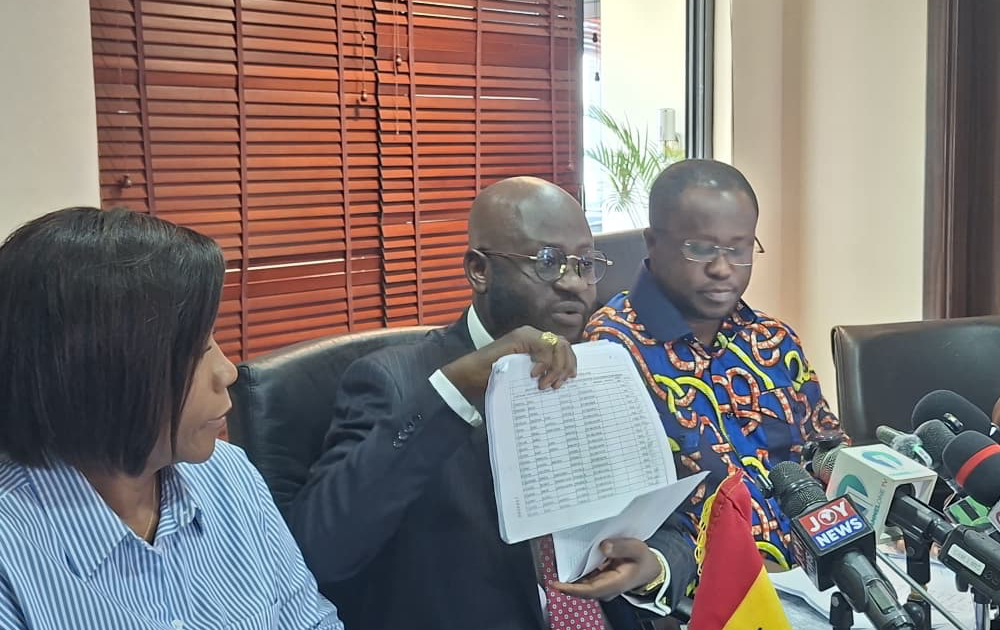
The Ghanaian Minority caucus has initiated a significant inquiry into the government's expenditure concerning the recent evacuation of its citizens from South Africa. They are demanding an independent audit of the GH¢49.72 million operation, citing substantial discrepancies in the financial records provided by the Ministry of Foreign Affairs and Regional Integration. These concerns were publicly articulated by Nana Asafo-Adjei Ayeh, the Deputy Ranking Member of Parliament for the Foreign Affairs Committee and MP for Bosome-Freho, following a meticulous review of documents obtained through a Right to Information (RTI) request.
The evacuation effort, which commenced on May 27 and concluded on September 4, 2026, was undertaken in response to renewed xenophobic violence and intimidation targeting foreign nationals in South Africa. The government reported a total expenditure of GH¢49,721,786 for the exercise. This sum included GH¢33,721,786 directly funded by the government and an additional GH¢16 million in support attributed to Engineers & Planners, a company owned by businessman Ibrahim Mahama. The reported costs encompassed a wide array of services, such as chartered and commercial flights, ground transportation, accommodation, feeding, medical care, and reintegration assistance for the 1,964 evacuees.
The Allegations of Discrepancy
The Minority caucus asserts that the extensive documentation supplied by the Ministry, comprising over 200 pages, fails to adequately account for more than GH¢16.4 million of the total reported spending. Their detailed analysis, which involved independent third-party scrutiny and a name-by-name review, revealed several inconsistencies. These include issues related to reintegration grants, transport allowances, commercial flight records, instances of duplicate entries, and payments made on behalf of minors. The core of the Minority's concern is that the provided records do not fully align with the government's declared expenditure and the stated number of individuals evacuated.
A primary point of contention revolves around the reintegration grants of GH¢5,000 and transport allowances of GH¢500, which were reportedly provided to each evacuee. While the government stated that 1,964 individuals received these payments, the Minority's review could only match 824 names across both registers. This leaves a significant gap of 1,140 individuals whose receipt of the combined GH¢5,500 package is not clearly substantiated by the documents. This difference alone accounts for GH¢6.27 million, an amount the Minority argues is not sufficiently established by the records. They are seeking clarification from the Ministry regarding these gaps, questioning whether they stem from incomplete records, missing signatures, separate payment arrangements, or other factors.
Calls for Accountability and Transparency
Nana Asafo-Adjei Ayeh and the Minority caucus are not explicitly alleging theft or deliberate inflation of beneficiary numbers. Instead, their position emphasizes the need for verification of the underlying records and a comprehensive response from the Ministry of Foreign Affairs and Regional Integration to address the identified discrepancies. They contend that while the humanitarian nature of the South Africa evacuation was critical, it does not absolve the government of its responsibility to provide a transparent and detailed account of all funds expended.
The request for an independent audit underscores a broader demand for enhanced accountability in government spending, particularly for large-scale operations. The Minority has specifically asked for itemized expenditure records, payment registers, flight manifests, and procurement details to ensure full transparency. This parliamentary scrutiny, initiated through a Right to Information Act request, highlights the increasing importance of public access to government data and the role of legislative oversight in ensuring fiscal prudence.
Why It Matters
This situation carries significant implications for public trust and governmental transparency in Ghana. The allegations surrounding the GH¢16.4 million in unaccounted funds from the South Africa evacuation spending, particularly the GH¢6.27 million discrepancy in direct aid to evacuees, could erode confidence in how public resources are managed during crises. It underscores the critical need for meticulous financial record-keeping and robust auditing processes, especially when dealing with emergency humanitarian operations where rapid deployment of funds is necessary.
The call for an independent audit by the Minority caucus serves as a powerful reminder that even in urgent circumstances, the principle of accountability remains paramount. For the Ministry of Foreign Affairs and Regional Integration and other government entities, this incident highlights the imperative of maintaining impeccable financial documentation and being prepared for rigorous scrutiny. The outcome of this probe into the Ghana Minority caucus audit of the Ministry of Foreign Affairs and Regional Integration's spending will likely set a precedent for how future large-scale government expenditures are reviewed and reported, reinforcing the public's right to information and transparent governance.
Practical Implications
Lawyers and compliance officers should note the heightened parliamentary scrutiny on government expenditure, especially for large-scale humanitarian operations, following Right to Information (RTI) requests. This case underscores the critical importance of meticulous financial record-keeping, transparent reporting, and audit preparedness for any entity involved in public sector contracts or receiving government funds, as discrepancies can lead to significant public and political challenges.
Source
How does this affect you?
Get an AI analysis of this article grounded in your jurisdictions, practice areas, and any policy documents you've uploaded to Wansom.
Finish Reading the Full Story and the Expert Analysis.
Get the latest legal & regulatory intelligence in Ghana
Wansom is AI and can make mistakes.