
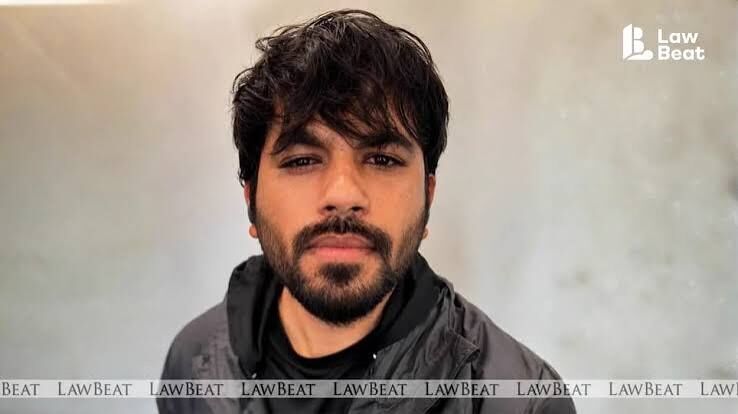
Abhijeet Dipke: Conditional Bail From Delhi SEM After Protest Arrest
Summary
- Abhijeet Dipke, founder of the Cockroach Janta Party, was granted conditional bail by a Special Executive Magistrate in Delhi on October 17, 2026.
- The bail requires Mr. Dipke to sign a peace bond, committing him to maintain peace for a period of one year.
- His detention occurred under preventive arrest by Delhi Police as he headed to the 'Lehra Do Tiranga' protest in Connaught Place.
- Police cited previous instances where individuals, after furnishing peace bonds, were treated as repeat offenders for alleged breaches of conditions.
- Breaching the terms of a peace bond can result in further legal proceedings before a competent authority or court.
Conditional Bail Granted to CJP Founder
This precedent suggests that any alleged non-compliance with the peace bond by Abhijeet Dipke could similarly lead to additional legal actions before the competent authorities or courts, emphasizing the serious nature of such conditional releases for activists.
Abhijeet Dipke, the founder of the Cockroach Janta Party (CJP), secured conditional bail from a Special Executive Magistrate (SEM) in Delhi on October 17, 2026. This judicial decision followed his preventive arrest by the Delhi Police, which occurred as he was en route to the 'Lehra Do Tiranga' protest organized by the CJP in Connaught Place. The specific terms of his release mandate the execution of a peace bond, obligating him to uphold public peace for a duration of one year.
Prior to his detention, on the afternoon of October 16, more than twenty Delhi Police personnel visited Mr. Dipke's residence in Jhandewalan. During this visit, he was served with an official notice instructing him to refrain from any actions that could potentially infringe upon the rights of others. Despite this, he was subsequently taken into custody later that same evening while proceeding towards Central Park in Connaught Place, the designated location for the 'Lehra Do Tiranga' demonstration. Another individual, Neha Bora, who was also detained alongside Mr. Dipke, was released earlier on October 17 after completing the necessary formal procedures.
Legal Framework of Preventive Arrests and Peace Bonds
The conditional bail granted to Abhijeet Dipke by the Special Executive Magistrate in Delhi underscores the powers vested in these judicial officers concerning public order. A key component of this release is the requirement for a peace bond, which is a formal undertaking to maintain peace and exhibit good behaviour over a specified period. While Mr. Dipke is expected to be released shortly, his freedom is explicitly contingent upon his compliance with this bond.
The precise financial amount of the bond, whether sureties are necessary, and any additional conditions beyond the general requirement to maintain peace for a year have not yet been publicly disclosed. This mechanism of preventive arrest in India, followed by conditional release through instruments like peace bonds, is a tool employed by authorities to manage potential disruptions to public order, particularly in the context of planned protests or large gatherings.
Implications for Activism and Repeat Offender Status
The Delhi Police have highlighted the potential for individuals to be designated as repeat offenders if they breach the conditions of such peace bonds. In a related context, police reports indicated that "Das and Ranka" had previously executed similar bonds, committing to peace and good behaviour for one year, following their detention during an earlier protest on October 10. These prior undertakings involved furnishing surety bonds of ₹50,000 each.
According to police allegations, "the two" subsequently violated the restrictions applicable in the area and failed to adhere to the conditions stipulated in their earlier bonds. As a direct consequence of these alleged breaches, they were classified as repeat offenders and presented before a magistrate for further proceedings. This precedent suggests that any alleged non-compliance with the peace bond by Abhijeet Dipke could similarly lead to additional legal actions before the competent authorities or courts, emphasizing the serious nature of such conditional releases for activists.
Practical Implications
Lawyers advising clients on public protests or activism in India should be aware of the powers of Special Executive Magistrates to impose conditional bail, including peace bonds, following preventive arrests, and the potential for repeat offender status and further proceedings upon breach of such conditions.
Source
How does this affect you?
Get an AI analysis of this article grounded in your jurisdictions, practice areas, and any policy documents you've uploaded to Wansom.
Finish Reading the Full Story and the Expert Analysis.
Get the latest legal & regulatory intelligence in India
Wansom is AI and can make mistakes.