
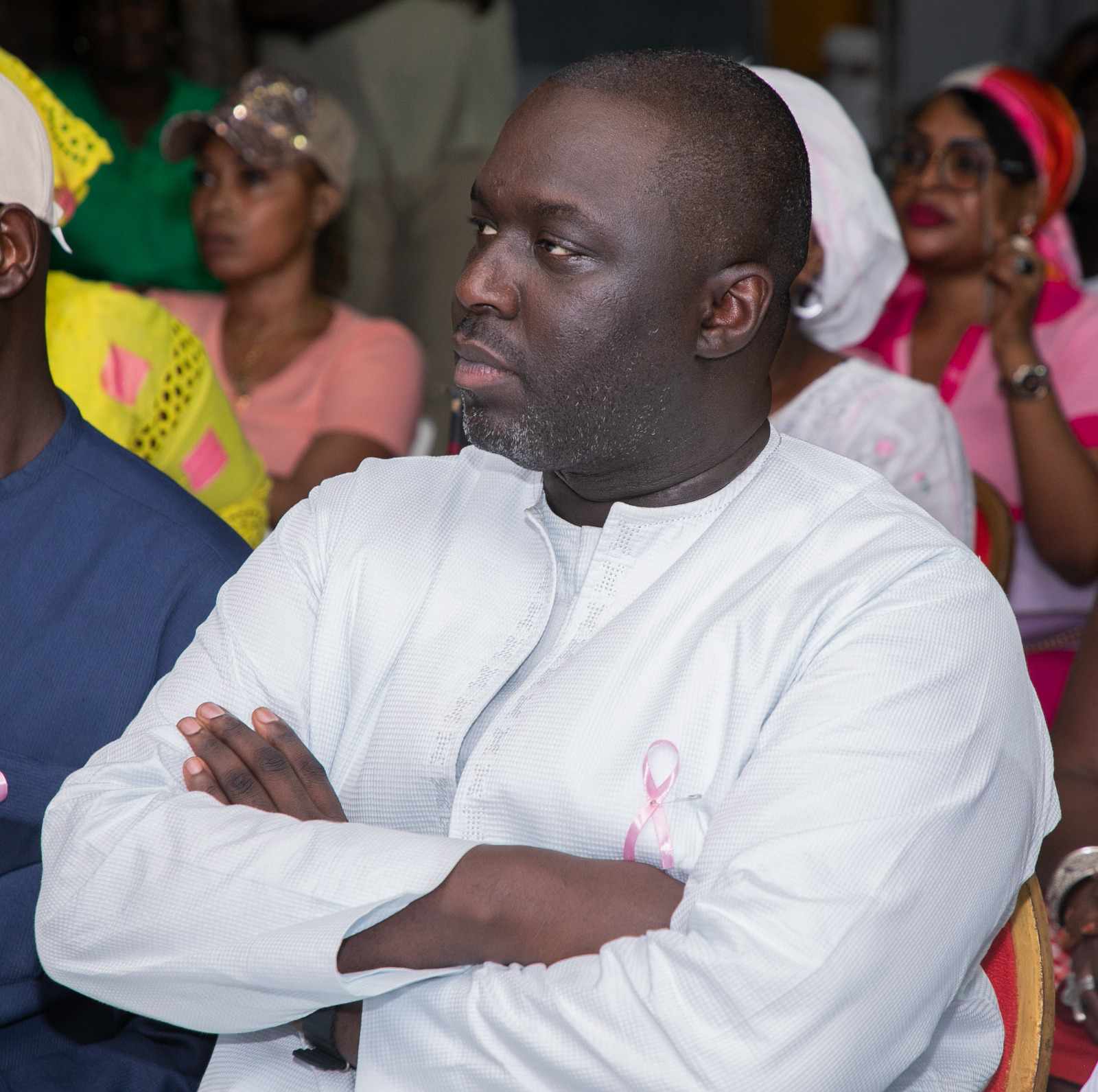
Abdou Karim Fofana: Commission Parlementaire sur le Patrimoine État Sénégal
Summary
- Abdou Karim Fofana is scheduled to be heard by a parliamentary inquiry on October 12, 2026.
- The inquiry focuses on the transfers of built heritage properties belonging to the State.
- Fofana, a former minister and spokesperson, has publicly stated his readiness to respond to the deputies.
- The commission's investigation aims to ensure transparency and accountability in state asset management.
What Happened
This parliamentary scrutiny serves as a vital mechanism for reinforcing public trust in government operations and ensuring that decisions regarding valuable state assets are made with utmost integrity.
Abdou Karim Fofana, a former minister and spokesperson, is scheduled to appear before a parliamentary inquiry. He has been officially summoned to be heard on Monday, October 12, 2026, by the Parliamentary Commission of Inquiry. This commission is specifically tasked with investigating the transfers of built heritage properties belonging to the State.
Fofana has publicly addressed his summons, breaking his silence on the matter. He has affirmed his readiness to fully cooperate and respond to all questions posed by the deputies. His upcoming testimony is a significant development in the ongoing scrutiny of how state assets have been managed and transferred.
Legal Context
The Parliamentary Commission of Inquiry, which will hear Abdou Karim Fofana, holds a crucial role in Senegal's legislative oversight framework. Such commissions are established by the National Assembly to investigate specific matters of public interest, often involving government actions or the management of national resources. In this instance, the commission's mandate is focused on the "cession immeubles patrimoine bâti État," meaning the transfers of built heritage properties owned by the state. This type of inquiry aims to ensure transparency and accountability in the disposal of public assets.
The investigation into the "gestion patrimoine public Sénégal" underscores the importance of proper legal and administrative procedures when state properties are transferred. These properties, forming part of the national heritage, are subject to particular regulations designed to protect public interest. The commission's work will scrutinize whether these regulations were adhered to during past transactions, potentially identifying any irregularities or areas for policy improvement concerning the transfers state property Senegal inquiry.
Why It Matters
The impending audition of Abdou Karim Fofana by the commission d'enquête parlementaire Sénégal carries substantial weight for public accountability and the future management of state assets. The focus on built heritage properties highlights a broader concern regarding the preservation and appropriate use of national patrimony. The findings of such an inquiry can have far-reaching implications, potentially leading to recommendations for stricter oversight mechanisms or even legal challenges to previously concluded transactions involving state property.
This parliamentary scrutiny serves as a vital mechanism for reinforcing public trust in government operations and ensuring that decisions regarding valuable state assets are made with utmost integrity. The readiness of a former high-ranking official like Abdou Karim Fofana to engage with the deputies demonstrates a commitment to transparency, which is essential for democratic governance. The outcome of this investigation could set important precedents for how future transfers of state-owned properties are handled in Senegal.
Practical Implications
Lawyers advising clients on state property acquisitions or public officials involved in past government transactions in Senegal should closely monitor the proceedings of this parliamentary inquiry. The findings could lead to increased scrutiny, potential legal challenges to prior transfers, or new regulatory frameworks concerning the management and disposal of state-built heritage properties.
Source
How does this affect you?
Get an AI analysis of this article grounded in your jurisdictions, practice areas, and any policy documents you've uploaded to Wansom.
Finish Reading the Full Story and the Expert Analysis.
Get the latest legal & regulatory intelligence in Senegal
Wansom is AI and can make mistakes.