
Fourth Circuit North Carolina Ballot Selfie Ban: Arguments Heard
Summary
- A North Carolina woman, Susan Hogarth, is challenging the state's ballot photography ban in the Fourth Circuit, alleging it violates her First Amendment rights.
- Hogarth sued after the state Board of Elections instructed her to remove an online photo of her ballot from the 2024 Libertarian primary, citing a Class 1 misdemeanor.
- Her attorney argues the ban suppresses political speech and extends beyond polling places, criminalizing otherwise lawful expression.
- The state contends the law preserves the secret ballot, prevents vote buying and intimidation, and regulates election mechanics rather than pure speech.
- The Fourth Circuit panel questioned the law's scope, including its application to absentee ballots and whether a ballot itself constitutes a public forum.
What Happened
This Fourth Circuit election law case carries significant implications for the balance between First Amendment election speech rights and the state's interest in maintaining election integrity free speech from undue influence.
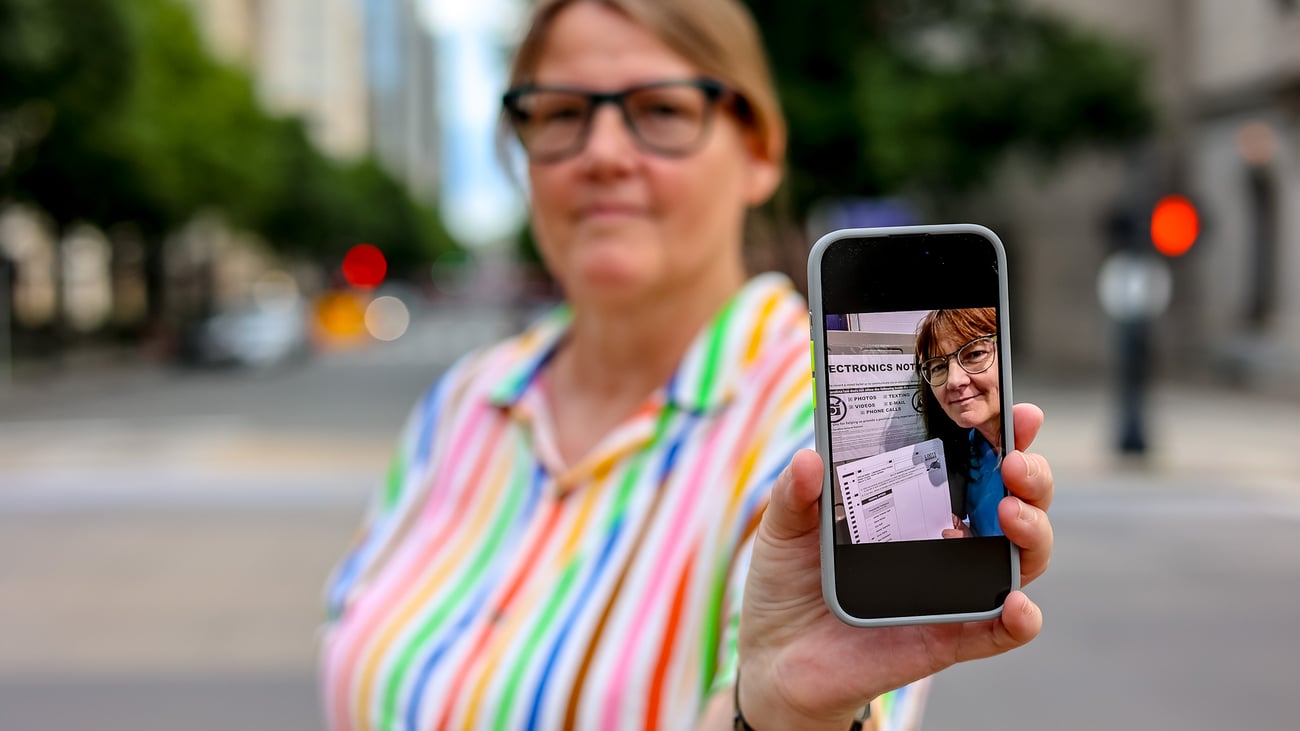
The Fourth Circuit recently heard arguments concerning North Carolina's prohibition on ballot photography, a legal challenge that could significantly impact the landscape of election law. The case centers on a lawsuit filed in 2024 by Susan Hogarth, a North Carolina resident, against members of the state's Board of Elections, including its investigator and Executive Director Sam Hayes. Hogarth initiated the legal action after she posted a photograph of herself holding her ballot online, taken during the Libertarian primary election earlier that year.
Following her online post, the North Carolina Board of Elections contacted Ms. Hogarth, instructing her to remove the image and informing her that such an action constituted a Class 1 misdemeanor under state law. Hogarth subsequently filed suit, asserting that the state's restrictions on ballot photography infringe upon her First Amendment rights. The dispute escalated when, in November 2024, Ms. Hogarth returned to the polls armed with a specific court order that permitted her, and her alone, to photograph her ballot. Despite this, polling place personnel initially directed her to cease taking pictures and delete any she had already captured, only relenting after contacting the state elections board to verify her unique exemption.
Legal Arguments Unfold
During the recent hearing, Jeff Zeman, an attorney representing Susan Hogarth from the Foundation for Individual Rights and Expression, contended that North Carolina's ballot photography law amounts to an unconstitutional suppression of political expression. Zeman argued that the state's prohibition effectively criminalizes speech that would otherwise be lawful, extending its reach beyond the confines of polling places to include even private acts, such as photographing a completed absentee ballot within a voter's own home. He characterized the act of photographing a ballot as "speech about the election; not part of the election," emphasizing that "expression about elections and referenda is the type of speech indispensable to decision making in a democracy, and thus at the heart of the First Amendment’s protection." Hogarth's legal filings further assert that the existing provisions constitute content-based restrictions on speech, are not narrowly tailored to serve the state's interests, and that the state lacks a compelling justification for banning voters from documenting their ballots.
Conversely, Deputy Solicitor General Thad Eagles, representing the state Board of Elections, its investigator, and Executive Director Sam Hayes, defended the North Carolina ballot photography law as a crucial measure for preserving the integrity of the secret ballot. Eagles acknowledged that instances of vote buying and voter intimidation are rare but occur, and that such illicit schemes often necessitate proof of how a ballot was cast to be effective. He maintained that the state's regulation targets the mechanics of an election rather than pure speech, noting that North Carolinians remain free to express their voting choices and reasons in numerous other ways. The state's primary concern, Eagles explained, lies not with the message itself, but with the "probative effect of a picture of a marked ballot." He also argued that the restrictions are content-neutral, designed to prevent coercion, protect voter privacy, avoid polling place delays, and act as a "necessary deterrent" to vote buying, thereby bolstering public trust in election integrity. The state also pointed out that its law permits selfies with unmarked ballots and does not impose a blanket ban on photography within voting booths.
Judicial Scrutiny and Broader Implications
The Fourth Circuit panel engaged deeply with the arguments, with U.S. Circuit Judge A. Marvin Quattlebaum Jr. raising pertinent questions about the scope and application of the North Carolina ballot photography law. Judge Quattlebaum, a Donald Trump appointee, specifically inquired whether the ballot itself could be considered a public forum, and noted that the statutes appear to apply beyond traditional polling places, particularly in the context of absentee ballot photography. The discussion highlighted the complexity of determining whether spaces outside of physical polling locations, such as a voter's home when marking an absentee ballot, could be classified as nonpublic forums subject to similar restrictions.
The state's concern that voters might not cast their ballots according to their conscience if sharing ballot images becomes commonplace was reiterated during the proceedings. This Fourth Circuit election law case carries significant implications for the balance between First Amendment election speech rights and the state's interest in maintaining election integrity free speech from undue influence. The court's eventual ruling on the Susan Hogarth lawsuit could establish an important precedent regarding the constitutionality of ballot selfie bans, affecting not only North Carolina but potentially influencing similar laws across other jurisdictions.
Practical Implications
This Fourth Circuit case could establish a significant precedent regarding First Amendment challenges to ballot photography bans, directly impacting election law compliance and free speech advocacy in North Carolina and potentially other states. Lawyers advising political campaigns, advocacy groups, or individual voters should monitor the ruling for changes in permissible voter communication and potential litigation strategies.
Source
Source: Original reporting via CN
How does this affect you?
Get an AI analysis of this article grounded in your jurisdictions, practice areas, and any policy documents you've uploaded to Wansom.
Finish Reading the Full Story and the Expert Analysis.
Get the latest legal & regulatory intelligence in United States
Wansom is AI and can make mistakes.