
New report
Briefly Africa Trade Law Report | September 2026
Includes 3 Zambia developments · 7 markets
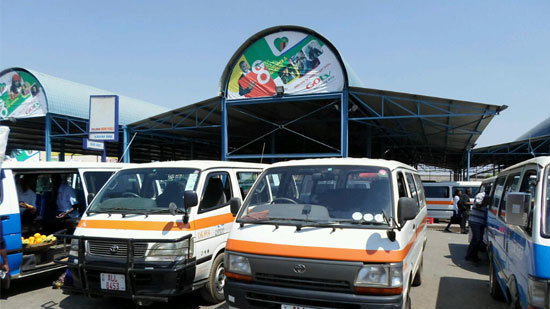
41 Buses Impounded, Drivers Face Court for Undesignated Loading
Zambian police impounded 41 buses on Saturday for loading passengers from undesignated locations, with 16 drivers scheduled for court appearances.
This enforcement action signals a heightened commitment by authorities to regulate public transport operations and address urban congestion and disorder. For legal practitioners, this means an anticipated increase in cases related to traffic offenses and breaches of local government by-laws, particularly in subordinate courts. The warning issued by Lusaka Mayor-elect Chitambala Mwewa, indicating that commuters boarding from undesignated points will also face legal consequences, expands the scope of potential liability beyond operators and drivers to include passengers. This development necessitates a clear understanding of the legal basis for such enforcement against commuters and its practical implications for public transport users and providers alike. Businesses in the transport sector must ensure strict compliance with designated routes and loading zones to avoid operational disruptions, fines, and legal proceedings.
The legal framework governing these actions primarily includes the Road Traffic Act (No. 11 of 2002), which sets out regulations for vehicle operation, traffic offenses, and penalties. Additionally, local government by-laws, enacted under the Local Government Act (No. 2 of 2019), play a crucial role in designating public transport routes, bus stops, and loading zones within urban areas. The impoundment of vehicles is a common enforcement tool, and the scheduling of drivers for court appearances indicates formal legal proceedings under these statutes. The potential prosecution of commuters would likely rely on specific provisions within these by-laws or public order regulations that prohibit boarding at non-designated points.
Key parties involved in this enforcement drive include the Zambia Police Service, responsible for upholding traffic laws; the Lusaka City Council, represented by the Mayor-elect, which is responsible for urban planning and enacting relevant by-laws; the bus operators and drivers, who are the direct subjects of the impoundment and prosecution; and commuters, who are now being warned of potential legal repercussions. The cases against the drivers will likely be heard in the subordinate courts (Magistrate Courts).
Attorneys representing transport companies or individual drivers should proactively advise their clients on strict adherence to all designated loading zones and relevant traffic and local government regulations. They should also prepare to defend drivers facing charges and understand the nuances of the Road Traffic Act and applicable by-laws. Furthermore, practitioners should closely monitor the implementation of enforcement actions against commuters to assess the legal grounds and potential impact on public transport users. Businesses in the transport sector should review their operational protocols to ensure full compliance and mitigate legal and financial risks. The outcome of the scheduled court appearances for the 16 drivers is not yet reported.
How does this affect you?
Get an AI analysis of this article grounded in your jurisdictions, practice areas, and any policy documents you've uploaded to Wansom.
Finish Reading the Full Story and the Expert Analysis.
Get the latest legal & regulatory intelligence in Zambia
Wansom is AI and can make mistakes.