
السودان يستورد أدوية بنحو (300) مليون دولار في النصف الأول من 2026
Summary
- Sudanese health authorities announced over $274 million in medicine imports during the first half of 2026.
- These imports have increased overall drug availability to more than 70%, securing 40 types of essential medicines for three months.
- Sudan faces a severe drug crisis marked by up to 35% price hikes and acute shortages, primarily due to currency devaluation and war-related factory destruction since April 2023.
- The National Fund for Medical Supplies (NFMS) purchased 155 billion Sudanese pounds worth of medicines and 11 billion pounds in medical equipment.
- A recent Ministry of Health meeting, attended by the Federal Health Minister for the first time in three years, reviewed H1 2026 performance across six key health sector units.
Sudan Boosts Medical Supplies Amidst Crisis
Sudanese health authorities announced on Monday, August 3, 2026, that the nation had imported over $274 million worth of medicines during the first half of 2026.
Sudanese health authorities announced on Monday, August 3, 2026, that the nation had imported over $274 million worth of medicines during the first half of 2026. This substantial effort has reportedly boosted overall drug availability to more than 70%, with 40 specific types of essential medicines now secured for a three-month period. The announcement, made via a statement from the Ministry of Health, underscores the government's proactive measures to mitigate a severe pharmaceutical crisis.
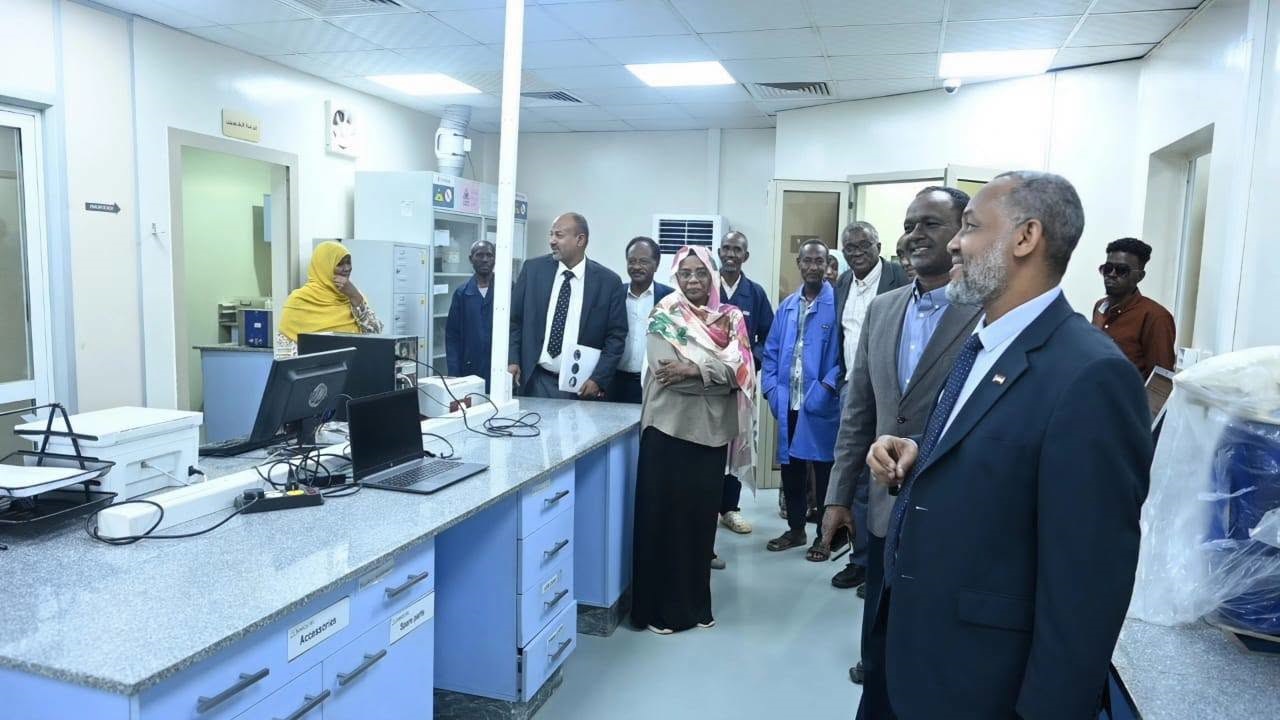
This significant update coincided with a pivotal meeting hosted in the newly rehabilitated Grand Hall of the National Fund for Medical Supplies (NFMS). The gathering marked the first time the Federal Health Minister had convened a meeting in this venue in three years, signaling renewed focus on the country's health infrastructure and **Sudan National Fund medicine imports 2026**.
Addressing Deep-Rooted Supply Chain Challenges
The current medical supply situation in Sudan is a direct consequence of a profound crisis that has gripped the country's drug sector. This crisis is characterized by an acute shortage of vital medicines and a dramatic increase in drug prices, which have surged by up to 35%. Underlying these **Sudan drug supply chain challenges** are the severe deterioration of the local currency's value and the widespread destruction or operational cessation of most domestic drug production factories. These manufacturing disruptions are a direct result of the ongoing conflict, which commenced in April 2023.
The protracted conflict has severely hampered the nation's capacity for self-sufficiency in pharmaceutical production, making reliance on external **Sudan pharmaceutical procurement** an urgent necessity. The government's recent import figures highlight the scale of intervention required to maintain even basic levels of medical care amidst these challenging circumstances.
The National Fund's Pivotal Procurement Efforts
Central to the nation's response is the **National Fund for Medical Supplies Sudan**, which plays a critical role in orchestrating the large-scale acquisition of essential drugs and equipment. During the recent high-level meeting, the Federal Health Minister reviewed performance reports for the first half of 2026 from six key units operating under the Ministry. These included the NFMS itself, the National Council for Medicines and Toxins, the University of Health Sciences, the Medical Commission, the National Administration for Blood Transfusion Services, and the National Public Health Laboratory (ISTAC).
Badr al-Din al-Jazouli, the Director General of the NFMS, confirmed that drug availability had indeed surpassed the 70% mark, with 40 types of medicines secured for a three-month supply. He further detailed the significant financial outlay, reporting the purchase of medicines valued at 155 billion Sudanese pounds, alongside medical devices and equipment totaling 11 billion Sudanese pounds. Al-Jazouli also indicated that additional shipments are anticipated to arrive in the near future, reinforcing the ongoing **Sudan medical imports value** and commitment.
Regulatory Oversight and Future Outlook
The comprehensive review of multiple health sector entities underscores the government's efforts to enhance oversight and coordination within Sudan's struggling healthcare system. The involvement of bodies like the National Council for Medicines and Toxins highlights the importance of **Sudan health sector regulations** in ensuring the quality and safety of imported pharmaceuticals. These substantial **Sudan pharmaceutical procurement** initiatives, spearheaded by the National Fund for Medical Supplies, are critical interventions designed to stabilize the availability of essential drugs and address the immediate health needs of the population.
While the reported increase in drug availability offers a measure of relief, the underlying structural issues, exacerbated by conflict and economic instability, continue to present formidable long-term challenges for the country's healthcare infrastructure. The sustained commitment to **Sudan National Fund medicine imports 2026** and beyond will be crucial for navigating these complex realities.
Practical Implications
This article highlights the Sudanese government's substantial efforts to address a critical drug shortage through significant imports via the National Fund for Medical Supplies. Lawyers advising pharmaceutical companies or medical suppliers should note the scale of procurement and potential tender opportunities, while also understanding the underlying supply chain vulnerabilities and regulatory environment in Sudan.
Source
How does this affect your business?
Get an AI analysis of this article grounded in your jurisdictions, practice areas, and any policy documents you've uploaded to Wansom.
Wansom is AI and can make mistakes.