
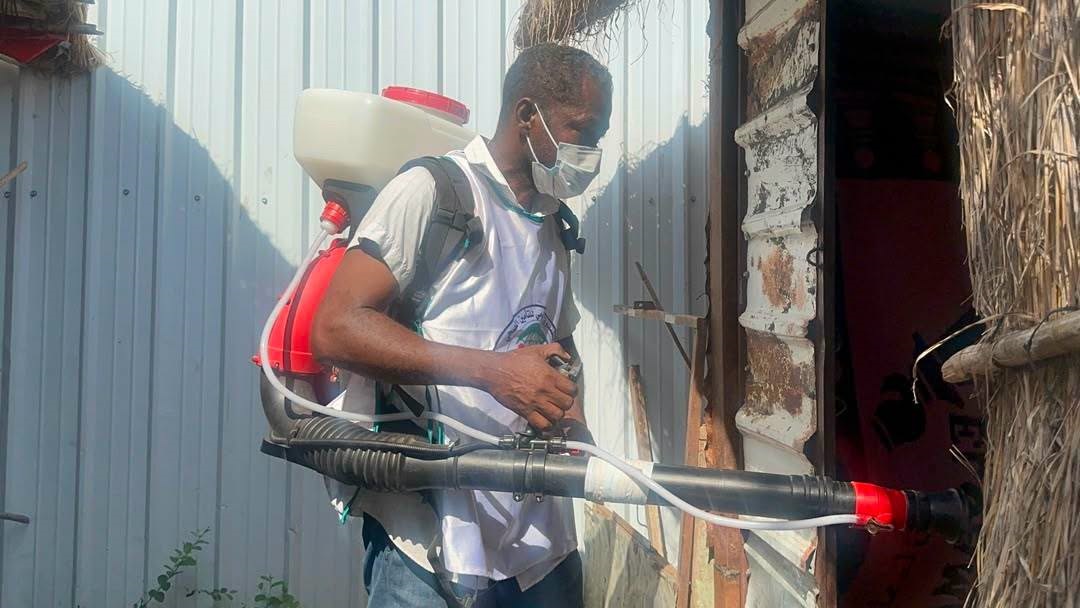
Sudan Nile Basin Hemorrhagic Fever Outbreak Statistics Controversy
Summary
- The Sudanese Ministry of Health reported 3,000 cases of hemorrhagic fever in Damazin, but a civil society initiative claims the number is much higher.
- The initiative's field monitoring shows over 5,000 cases and 30 deaths, contradicting official reports.
- The discrepancy raises concerns about non-compliance with Sudanese public health laws and regulations.
What Happened
The official reports from the Ministry of Health do not match the information gathered by community monitors within the neighborhoods and health centers.
A controversy has erupted in the Sudanese region of Nile Basin over official statistics regarding the outbreak of hemorrhagic fever. The Sudanese Ministry of Health reported that 3,000 people had contracted the disease in the city of Damazin in recent times. However, a civil society initiative in the region claims that these numbers are unrealistic and do not reflect the actual situation on the ground. According to the initiative's general secretary, Ali Mohamed Hajo, the official reports from the Ministry of Health do not match the information gathered by community monitors within the neighborhoods and health centers.
The initiative's own field monitoring has shown that the number of cases exceeds 5,000 with a daily increase in infections, while the number of deaths has reached 30. Hajo questioned the sources used by the authorities to issue their low numbers.
Legal Context
The Sudanese public health laws require accurate reporting and disclosure of disease outbreaks. The discrepancy between official statistics and on-the-ground reports raises concerns about non-compliance with these regulations. Lawyers and compliance officers should be aware of the potential implications of underreporting or misrepresenting disease outbreak data, particularly in light of the ongoing humanitarian crisis in the region.
The Sudanese Ministry of Health has a responsibility to provide accurate information to the public and to take swift action to contain the spread of the disease. The civil society initiative's allegations highlight the need for transparency and accountability in reporting disease outbreaks.
Why It Matters
The controversy surrounding the official statistics on the hemorrhagic fever outbreak in Nile Basin highlights the importance of accurate reporting and transparency in public health matters. The discrepancy between official numbers and on-the-ground reports raises concerns about the effectiveness of the Sudanese Ministry of Health's response to the crisis.
The situation also underscores the need for civil society initiatives to monitor and report on disease outbreaks, ensuring that the public has access to reliable information. This is particularly crucial in regions affected by conflict and humanitarian crises, where accurate reporting can save lives and inform effective responses.
Practical Implications
Lawyers and compliance officers should watch for potential non-compliance with reporting requirements under Sudanese public health laws, particularly in light of the discrepancy between official statistics and on-the-ground reports.
Source
How does this affect your business?
Get an AI analysis of this article grounded in your jurisdictions, practice areas, and any policy documents you've uploaded to Wansom.
Wansom is AI and can make mistakes.