
11th Circuit Orders Carnival Sexual Assault New Trial
Summary
- The 11th Circuit Court of Appeals has ordered a new trial in a case against Carnival Cruise Line, overturning a $12 million verdict for a passenger alleging sexual assault and false imprisonment.
- The appellate court found the lower court erred by ruling in the plaintiff's favor on the false imprisonment claim before trial, improperly removing the factual determination from the jury.
- Another key error was the exclusion of an FBI report which concluded the encounter between the plaintiff and a crew member was consensual.
- U.S. Circuit Judge Barbara Lagoa stated the excluded FBI report could have been a deciding factor for the jury and potentially disproven the plaintiff's allegations of non-consensual detention.
- Claims of negligence and intentional infliction of emotional distress, on which the jury originally sided with Carnival, will not be relitigated in the upcoming new trial.
Appellate Court Orders New Trial in Cruise Sexual Assault Case
The 11th Circuit Carnival sexual assault new trial order underscores the critical importance of procedural fairness and proper evidentiary rulings in civil litigation.
A federal appellate panel has mandated a new trial in a high-profile case, overturning a lower court's decision that awarded over $12 million in damages and interest to a cruise ship passenger. The Eleventh Circuit Court of Appeals unanimously ruled that a Florida federal court committed significant errors during the initial proceedings, necessitating a complete re-evaluation of the sexual assault and false imprisonment claims against Carnival Cruise Line.
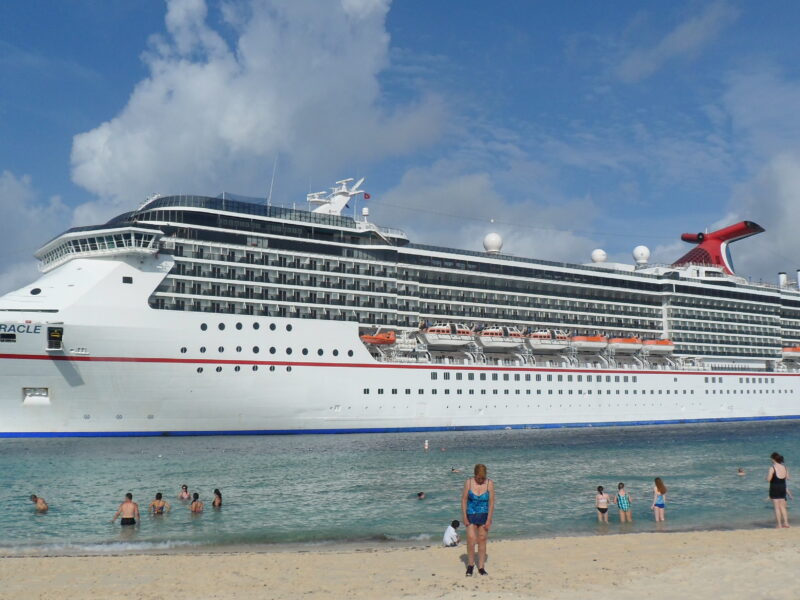
This pivotal decision means the case, identified as Jane Doe v. Carnival, will return to the U.S. District Court for the Southern District of Florida. There, a new jury will be tasked with determining the facts surrounding the plaintiff's allegations that she was held against her will in a storage closet and sexually assaulted by a crew member, Fredy Anggara, aboard the Carnival Miracle in December 2018. The plaintiff, then 21 years old, reported being heavily intoxicated and having recently sustained a head injury on the ship's pool deck at the time of the alleged incident. The 11th Circuit Carnival sexual assault new trial order underscores the critical importance of procedural fairness and proper evidentiary rulings in civil litigation.
Erroneous Jury Instruction on False Imprisonment
One of the primary reasons for the 11th Circuit's reversal of the Carnival verdict stemmed from an incorrect pre-trial ruling on the false imprisonment claim. The lower court judge had prematurely decided in the plaintiff's favor on this claim, effectively removing the factual determination from the jury's purview. This ruling followed a magistrate judge's finding that there was no evidence to contradict the plaintiff's assertion that Anggara prevented her from exiting the closet after she attempted to leave.
U.S. Circuit Judge Barbara Lagoa, writing for the panel, criticized this jury instruction error false imprisonment, stating that it deprived the jury of its fundamental role in weighing the evidence. Judge Lagoa, a Donald Trump appointee, further explained that such an instruction could unduly influence the jury, leading them to infer that the sexual conduct itself was also non-consensual. This procedural misstep, according to the appellate court, effectively "poisoned" the subsequent rulings in the case.
Exclusion of FBI Report Deemed Improper
The appellate panel also found fault with the lower court's decision to exclude a crucial piece of evidence: an FBI report. This report concluded that the encounter between the plaintiff and Anggara was consensual. FBI agents had boarded the Carnival Miracle and interviewed both individuals just hours after the incident, forming the basis of their findings. The plaintiff had argued that the FBI Special Agent Sarah Andreasen's conclusions were unreliable due to an incomplete investigation, specifically citing the agent's failure to review Carnival's security footage or a handwritten statement provided by Doe to the cruise line.
However, Judge Lagoa rejected these arguments, asserting that there was no sufficient showing that the FBI report was untrustworthy or inadmissible under a hearsay exception. The court noted that the plaintiff's contention primarily revolved around Andreasen's investigation not aligning with how Doe herself would have conducted it. The 11th Circuit emphasized that this excluded information "could have been the deciding factor for the jury" and potentially "disprove Doe’s allegation that the detention was without her consent." Agent Andreasen was permitted to testify about her interviews and notes but was barred from presenting her investigative conclusions, a limitation the appellate court deemed erroneous in this Carnival cruise sexual assault appeal, highlighting the importance of FBI report admissibility sexual assault cases.
Implications and Remaining Claims
The 11th Circuit's decision serves as a significant reminder for litigators regarding the proper handling of jury instructions on liability and the admissibility of investigative reports, particularly FBI findings, in sexual assault cases. The ruling underscores that errors in these areas can lead to costly reversals and new trials, impacting trial strategy and evidence presentation in similar civil litigation. The government, notably, did not prosecute Anggara following the FBI's investigation.
While the sexual assault and false imprisonment claims will be retried, certain aspects of the original verdict will not be revisited. The plaintiff did not cross-appeal the jury's findings in favor of Carnival on her negligence and intentional infliction of emotional distress claims. Consequently, these specific claims will not be relitigated. The initial jury had determined that Carnival was not negligent but still held the company liable for Anggara's actions, a distinction that will remain relevant as the case proceeds to its new trial.
Practical Implications
This ruling serves as a critical reminder for litigators in the 11th Circuit regarding the proper handling of jury instructions on liability and the admissibility of investigative reports, particularly FBI findings, in sexual assault cases. Lawyers should scrutinize pre-trial rulings on evidence exclusion and jury instructions, as errors can lead to costly reversals and new trials, impacting trial strategy and evidence presentation in similar civil litigation.
Source
How does this affect you?
Get an AI analysis of this article grounded in your jurisdictions, practice areas, and any policy documents you've uploaded to Wansom.
Wansom is AI and can make mistakes.