Corporate legal departments face a persistent bottleneck: the overwhelming volume of contracts required to keep a modern business moving. Historically, Contract Lifecycle Management (CLM) solutions acted as digital filing cabinets—systems of record that stored documents but still required immense manual effort to navigate.
Today, artificial intelligence has fundamentally shifted this landscape. CLM has evolved into a system of intelligence. By leveraging Natural Language Processing (NLP), Machine Learning (ML), and Agentic AI, legal teams are shifting away from pure tech adoption toward true human-AI augmentation. This definitive guide explores how AI transforms the contract lifecycle, driving efficiency, mitigating hidden risks, and elevating corporate legal teams into proactive strategic partners.
1. The Pre-Execution Phase: Intelligent Drafting and Accelerated Redlining
The traditional contract creation process is plagued by slow turnaround times, mismatched templates, and fragmented communication between sales, procurement, and legal teams. AI injects precision and speed into these early stages.
Automated First Drafts and Guardrails
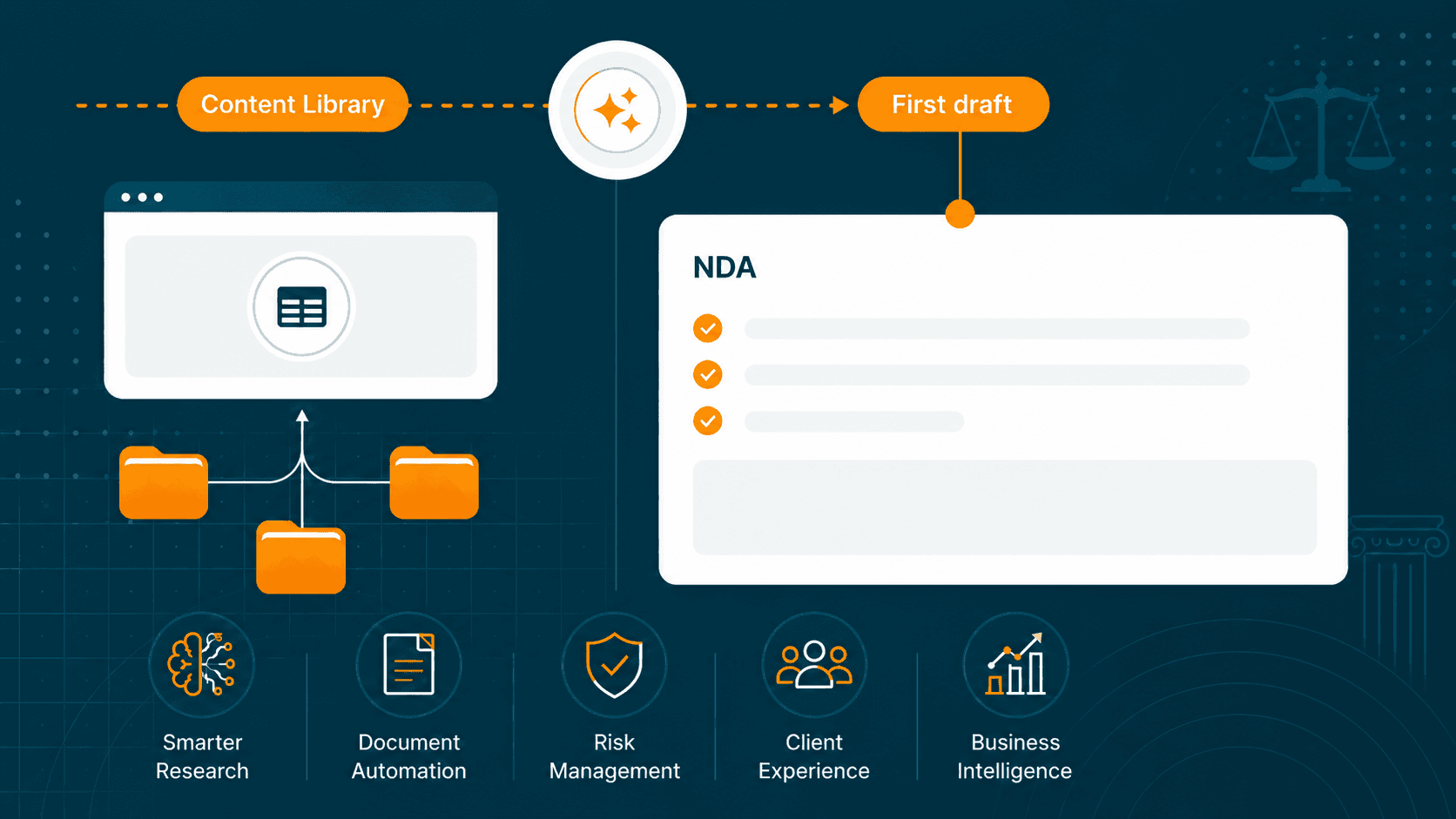
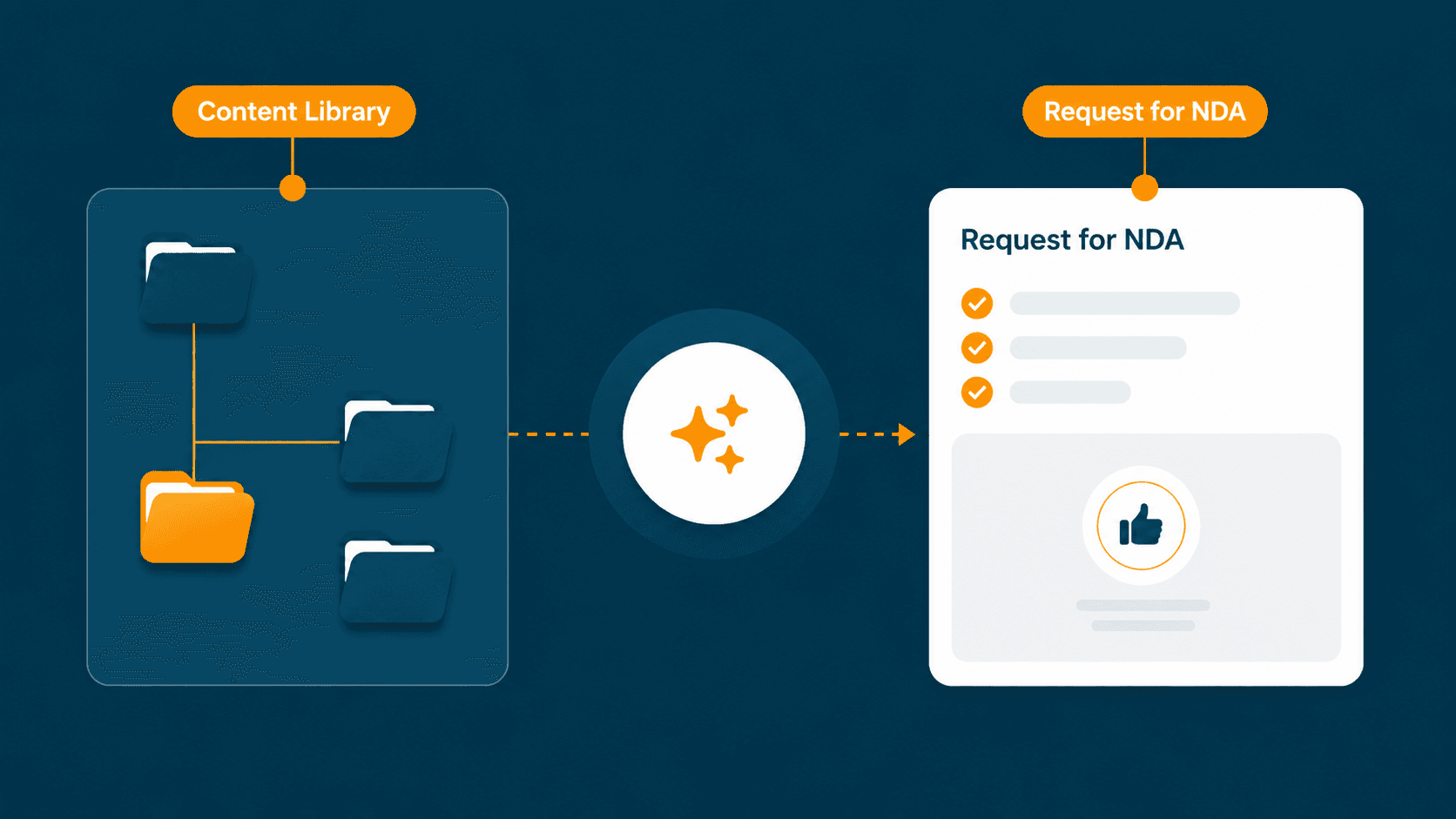
Instead of starting from a blank page or manually copying text from legacy agreements, AI dynamically assembles contracts using pre-approved playbook libraries. By parsing transaction metadata (such as deal value, geography, and vendor type), the system automatically populates standard clauses, such as appropriate data protection provisions or regional compliance terms. This empowers the wider business to generate standard agreements independently while operating safely within legal's guardrails.
Smart Negotiation and Redline Analysis
When third-party paper lands in the legal queue, AI immediately identifies deviations from the organization's preferred "gold standard" templates.
Historical Pattern Recognition: Advanced AI systems analyze past negotiation data to suggest optimal, highly acceptable compromise language. For example, if a vendor rejects a 30-day payment term, the AI can flag that this specific vendor has historically agreed to a 45-day term, speeding up negotiation cycles.
Contextual Summaries: AI summarizes incoming redlines and email exchanges, enabling lawyers to immediately grasp the financial and operational impact of counter-proposals.
2. The Execution Phase: Dynamic Workflows and Agentic Approvals
Once an agreement is ready for signature, manual routing often leads to operational drag and internal confusion. AI streamlines execution through automated, risk-aware workflows.
Rather than relying on rigid, hard-coded rules, Agentic AI autonomously evaluates the contextual risk and value of an agreement to route it appropriately.
Comparative Value: The Shift from Manual to AI-Augmented Workflows
Evaluating the operational impact of integrating artificial intelligence into legal workflows reveals a stark contrast between traditional contract management and AI-augmented systems across every stage of the lifecycle.
During the drafting stage, traditional workflows rely heavily on manual copy-pasting from outdated templates, which introduces human error and creates significant administrative drag. In contrast, an AI-augmented system utilizes dynamic generation, automatically pulling from pre-approved clause playbooks and leveraging specific deal metadata to build tailored agreements in minutes.
The contrast becomes even sharper during review and redlining. Manual comparison requires attorneys to read line-by-line, risking oversight of subtle, high-liability modifications introduced by third parties. AI mitigates this risk through automated discrepancy detection, instantly benchmarking incoming paper against internal standards and surfacing compromise text based on historical negotiation data.
When it comes to routing and approvals, manual processes inevitably stall within static email chains, where contracts sit in bottlenecks due to human oversight. AI-powered platforms resolve this by employing risk-aware agentic workflows. These systems autonomously evaluate the contract’s value and clause risk, routing the document to the exact stakeholders—such as procurement, finance, or specialized counsel—simultaneously.
Finally, in terms of portfolio analysis, traditional approaches lock critical data away inside flat files, forcing teams to rely on fragmented, manually updated spreadsheets. AI unlocks this dark data, converting legacy paper into a searchable, structured network of intelligence. This grants legal departments real-time analytics dashboards to track enterprise-wide liability, upcoming renewal risks, and spending trends at a glance.
If a contract contains a non-standard indemnity clause or exceeds a specific monetary threshold, the system automatically triggers parallel approval tracks—alerting legal counsel, procurement leads, and the CFO simultaneously to ensure seamless governance. Organizations leveraging these intelligent routing mechanisms report up to a 40% reduction in overall contract cycle times.
3. The Post-Execution Phase: Turning Static Documents into Actionable Intelligence
A signed contract is not the end of the process; it is the beginning of complex operational commitments. Yet, critical data remains trapped inside flat text files. AI unlocks this dark data, providing comprehensive visibility across the entire contract portfolio.
Unlocking Unstructured Text
Through Optical Character Recognition (OCR) and NLP, AI converts scanned PDFs and legacy papers into structured, fully searchable data. It automatically extracts key metadata—such as auto-renewal triggers, limitation of liability caps, pricing tiers, and regulatory obligations—without requiring manual data entry.
Proactive Obligation and Renewal Tracking
One of the most immediate financial returns on an AI-powered CLM is the elimination of missed milestones.
Auto-Renewal Traps: AI flags agreements with auto-renewal windows, alerting procurement and legal teams months in advance to renegotiate or terminate underperforming vendor accounts.
Performance SLA Audits: The system continuously monitors operational deadlines, safeguarding organizations against regulatory or contractual non-compliance penalties.
Comparative Value: Manual CLM vs. AI-Powered CLM
To evaluate the operational impact of integrating artificial intelligence into legal workflows, consider this direct comparison:
Lifecycle Stage
Traditional Manual CLM
AI-Augmented CLM
Drafting
Time-consuming copy-pasting; heavy reliance on legal templates.
Dynamic generation using deal metadata and pre-approved clause playbooks.
Review & Redlining
Manual clause comparison; high risk of missing subtle modifications.
Automated discrepancy detection; instant benchmarking against standard terms.
Routing & Approvals
Static email chains; frequent bottlenecks due to human delays.
Risk-aware agentic workflows that autonomously route to key stakeholders.
Portfolio Analysis
Fragmented spreadsheets; zero visibility into signed document terms.
Real-time analytics dashboards tracking liability, spend risk, and trends.
4. Risk Mitigation, Compliance, and Ethical AI Governance
As generative AI becomes deeply embedded within corporate legal departments, balancing speed with defensive risk management is paramount. Modern AI CLM strategies prioritize three foundational pillars:
Combating Hallucinations with RAG: Leading legal tech platforms utilize Retrieval-Augmented Generation (RAG). By grounding the LLM exclusively in the company’s internal legal playbooks and verified historical repositories, platforms sharply reduce the risk of fabricated legal language or inaccurate clause logic.
Regulatory Compliance Alignment: Regulatory shifts—such as the EU AI Act (enforcing transparency and strict human oversight for high-risk AI deployments) and the ABA’s Formal Opinion 512 in the United States—dictate that technology must assist, not replace, definitive legal analysis.
The "Human-in-the-Loop" Mandate: AI excels at processing bulk data, identifying patterns, and drawing initial redlines. However, accountability, nuance, and final strategic approval remain firmly with human legal professionals. The most successful corporate legal teams use AI to absorb repetitive tasks, freeing up internal attorneys to focus on high-stakes advocacy and advisory counsel.
Conclusion: Driving Corporate Competitive Advantage
Transitioning to an AI-enhanced CLM is no longer just an operational efficiency play; it is a strategic requirement. By converting static, reactive legal documents into searchable, data-rich corporate assets, AI empowers legal teams to dramatically slash cycle times, protect profits from hidden liability risks, and scale corporate operations seamlessly.