Securing investment is a watershed moment for any company. Whether you are a founder closing a Seed round or a General Counsel at a Series C firm, the Investment Agreement (or Share Subscription Agreement) is the bedrock of the deal.
However, in the rush to close a round, many legal teams fall into the trap of using "standard" templates without scrutinizing the fine print. In the world of venture capital and private equity, a single misplaced word in a liquidation preference or an anti-dilution clause can cost founders and early stakeholders millions of dollars during an exit.
As legal professionals, we know that an Investment Agreement isn't just a "formalities" document—it is a risk-allocation roadmap. This guide breaks down the essential clauses every investment agreement must include, the strategic reasoning behind them, and how to leverage modern legal tech like Wansom to draft these documents with precision.
1. Valuation and Subscription Terms
Before diving into the complex legal protections, the agreement must clearly define the "Price of Admission."
Pre-money vs. Post-money Valuation: The agreement must explicitly state the valuation. This determines the price per share and the percentage of equity the investor receives.
The Cap Table Impact: Ensure the agreement accounts for the fully diluted share capital, including the Employee Stock Option Pool (ESOP).
Why it matters: Ambiguity in valuation calculations is the leading cause of "broken" deals during the closing phase. Precision here ensures that the ownership percentages reflected in the agreement match the intent of the term sheet.
2. Condition Precedents (CPs)
Investment doesn't happen the moment the ink dries. The "Closing" is usually contingent on the company fulfilling specific requirements.
Common CPs include: Successful completion of due diligence, board approval, waiver of pre-emption rights by existing shareholders, and the delivery of updated disclosure bundles.
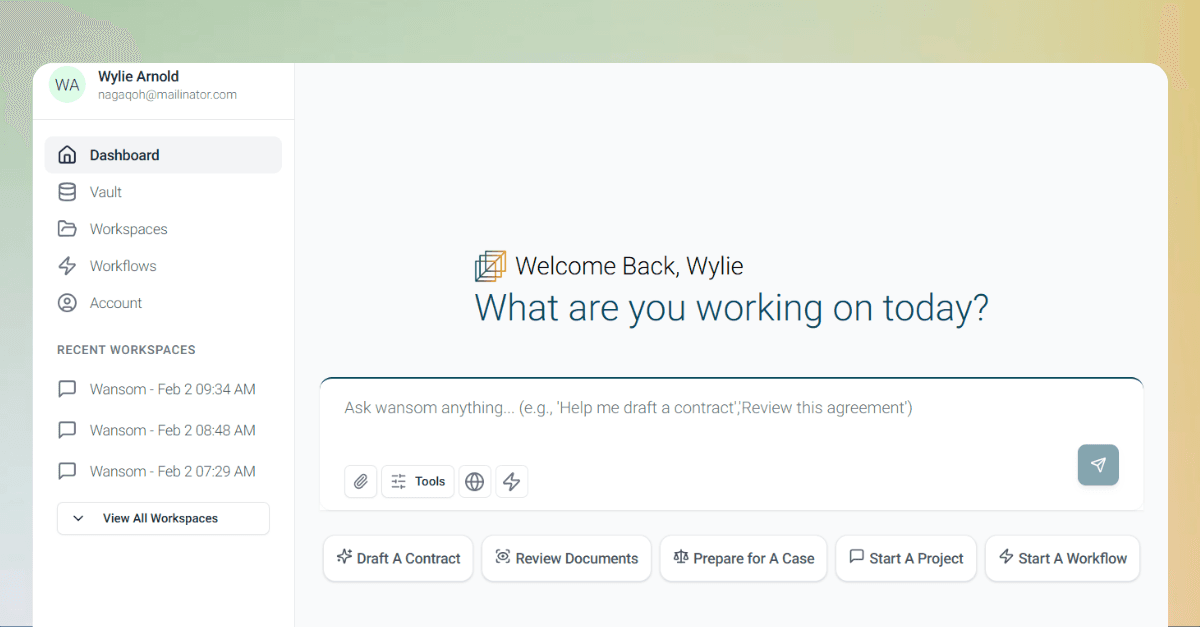
The Wansom Advantage: Managing CPs can be a logistical nightmare. Using a collaborative workspace like Wansom allows legal teams to track the status of every condition in real-time, ensuring no capital is delayed due to an unfulfilled administrative task.
3. Representations and Warranties (R&Ws)
This is often the most heavily negotiated section of the document. R&Ws are statements of fact made by the company (and often the founders) regarding the state of the business.
Scope: These cover everything from intellectual property ownership and tax compliance to litigation history and employment contracts.
The Disclosure Letter: This is the company’s "shield." It lists exceptions to the warranties. If a company warrants they have no pending lawsuits, but they actually do, they must disclose it here to avoid a breach of contract claim later.
Why it matters: Warranties are a risk-shifting mechanism. If a statement turns out to be false, the investor may have a claim for damages or the right to rescind the investment.
4. Governance and Board Rights
Investors aren't just providing capital; they are often buying a seat at the table.
Board Composition: The agreement should specify if the investor has the right to appoint a director or an "observer."
Reserved Matters (Veto Rights): These are specific actions the company cannot take without investor approval—such as issuing new debt, changing the nature of the business, or selling the company.
Pro Tip: Balance is key. Too many reserved matters can paralyze a CEO’s ability to run the company, while too few leave the investor’s capital unprotected.
5. Pre-emption Rights and Rights of First Refusal (ROFR)
These clauses govern what happens to shares in the future.
Pre-emption Rights: These allow current investors to participate in future funding rounds to maintain their percentage of ownership (avoiding dilution).
ROFR: If a founder wants to sell their shares to a third party, they must first offer them to the existing investors on the same terms.
6. Anti-Dilution Protection
In the event of a "Down Round" (where the company raises money at a lower valuation than the previous round), anti-dilution clauses protect the investor.
Full Ratchet: The most investor-friendly version. It adjusts the investor's share price to the new, lower price, regardless of how much money was raised.
Weighted Average: A more common, founder-friendly approach that takes into account the amount of money raised at the lower price, resulting in less drastic dilution for the founders.
7. Liquidation Preference
This determines "who gets paid first" when the company is sold or liquidated.
1x Non-Participating: The investor gets their initial investment back, or they convert to common stock and share in the proceeds—whichever is greater.
Participating Preference: The investor gets their investment back plus their pro-rata share of the remaining proceeds. This is often viewed as "double-dipping" and is less common in founder-friendly markets.
8. Exit Provisions: Drag-Along and Tag-Along
These clauses ensure liquidity and prevent minority shareholders from blocking a deal.
Drag-Along: If a majority of shareholders want to sell the company, they can "drag" the minority shareholders into the deal, forcing them to sell on the same terms.
Tag-Along: If a founder sells their shares, the minority investors have the right to "tag along" and sell their shares at the same price, ensuring they aren't left behind.
How to Streamline Your Investment Drafting with Wansom
Drafting a 100-page Investment Agreement from scratch is inefficient and prone to human error. Wansom transforms this process from a manual chore into a strategic advantage:
Automated Templating: Start with our legally-vetted Investment Agreement Template and use AI to auto-populate deal-specific variables.
Collaborative Review: Stop the "Version 12_Final_FINAL" email chains. Negotiate clauses with investors and co-counsel directly within the Wansom workspace with a full audit trail.
AI-Powered Legal Research: Unsure if a "Full Ratchet" is market-standard for your industry? Use Wansom’s integrated research tools to pull comparative data instantly.
Security First: Handle sensitive cap table data and disclosure bundles in an environment designed for the strict confidentiality requirements of legal practice.
Conclusion
An Investment Agreement is more than a contract; it is the constitutional document for the next phase of a company’s life. By focusing on these key clauses—valuation, governance, anti-dilution, and exit rights—you protect both the capital and the vision of the firm.
Ready to close your next round?
Don't start from a blank page. High-growth legal teams use Wansom to draft faster and negotiate smarter.
[Explore the Wansom Investment Agreement Template and Start Customizing Your Deal Today]