
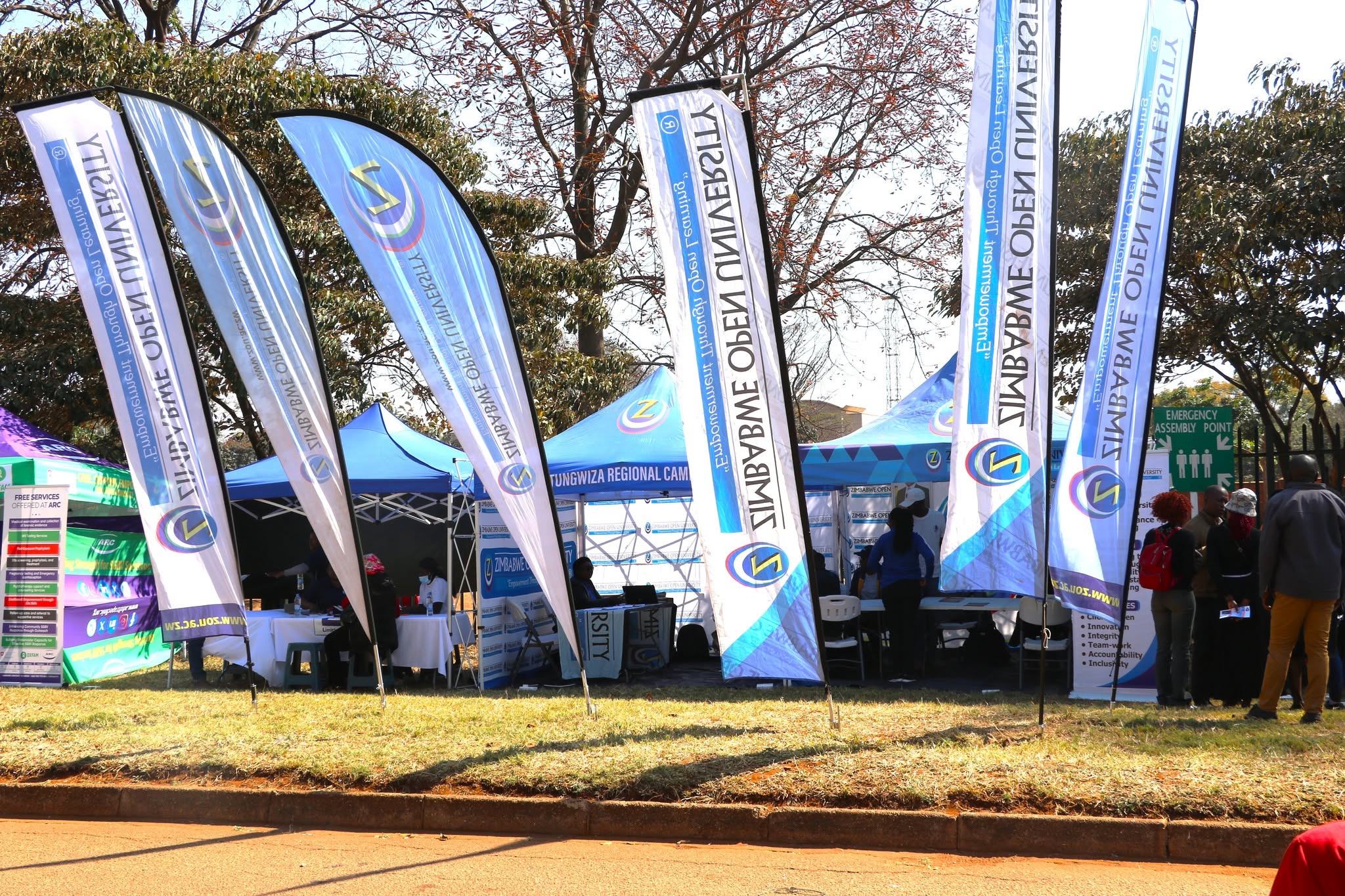
ZOU: Issues Warning on Fraudulent Academic Certificates
Summary
- The Zimbabwe Open University (ZOU) has issued a warning, stating it does not sell or distribute academic certificates through any third-party channels.
- Creating, selling, or obtaining fraudulent ZOU qualifications is considered a serious criminal offense and an act of forgery.
- ZOU urges employers and immigration authorities to verify all qualifications directly through its official channels.
- Any certificate not obtained through the university's official graduation process is deemed invalid, null, and void.
- The university is committed to protecting the integrity and international recognition of its academic awards.
University Issues Warning
Any qualification purporting to originate from the institution, yet not acquired through its established graduation procedures, is to be considered entirely invalid and without legal effect.
The Zimbabwe Open University (ZOU) has recently issued a public advisory, serving as a critical ZOU fraudulent academic certificates warning to all stakeholders, including current and prospective students. The institution unequivocally stated that it does not engage in the sale, distribution, or authorization of its academic certificates through any commercial channels.
This explicit declaration covers various avenues, including advertisements, online marketplaces, and any third-party or offline vendors. The university's notice underscores that any purported sale of its qualifications through such means is illegitimate, aiming to clarify its official stance on the acquisition of its academic credentials.
Legal Ramifications of Fraud
The university's advisory further emphasizes the severe legal consequences associated with academic fraud. It clearly states that any attempt to create, sell, or obtain fraudulent qualifications constitutes a serious criminal offense under the law. This includes the production and distribution of fake ZOU degrees or any other unauthorized academic documents.
ZOU views the fabrication and commercialization of such items as a grave act of forgery, which fundamentally undermines the institution's integrity. This stance highlights the university's commitment to combating Zimbabwe academic fraud and protecting the authenticity of its educational awards.
Verification Protocols for Employers and Authorities
In light of the prevalence of fraudulent documents, ZOU has strongly urged employers, immigration authorities, and other relevant organizations to implement rigorous verification procedures. These entities are specifically advised to conduct ZOU certificate verification directly through the university's official channels before accepting any presented qualifications. This proactive measure is crucial for ensuring the legitimacy of academic credentials.
The university's notice explicitly warns that any certificate presented as originating from ZOU, but not acquired through its established and official graduation process, is to be considered entirely invalid and without legal effect. Such documents are deemed null and void, carrying no academic or professional recognition from the institution.
Upholding Academic Integrity
The Zimbabwe Open University reaffirms its dedication to safeguarding the integrity and inherent value of its academic awards. The institution's qualifications are recognized both within Zimbabwe and internationally, a status it is committed to maintaining through stringent quality control and official processes.
This commitment extends to ensuring that all academic achievements are earned through legitimate study and official graduation, thereby preserving the reputation and credibility of ZOU's educational offerings for all genuine graduates.
Practical Implications
Lawyers advising employers or immigration authorities in Zimbabwe should counsel clients to verify all ZOU qualifications directly through the university's official channels, as fraudulent certificates are a serious criminal offence and any unverified certificate is null and void. This notice highlights increased scrutiny and potential legal exposure for those who fail to conduct due diligence.
Source
How does this affect you?
Get an AI analysis of this article grounded in your jurisdictions, practice areas, and any policy documents you've uploaded to Wansom.
Wansom is AI and can make mistakes.