
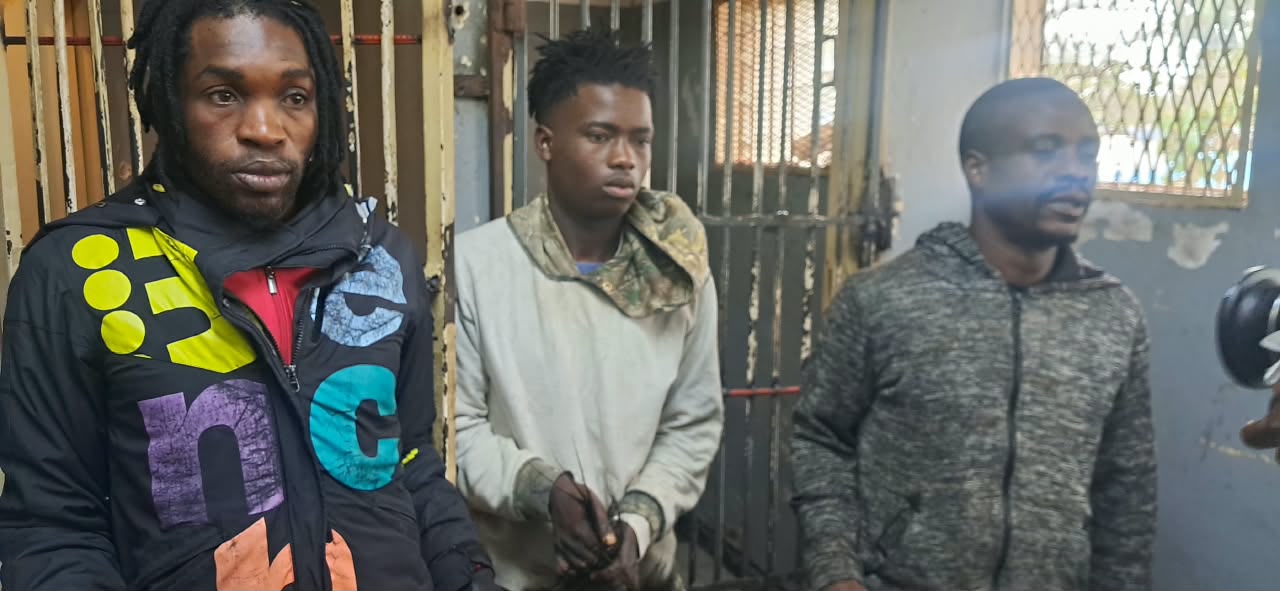
Zimbabwe: Parks And Wildlife Act Section 59(2)(a) Charge For 3 Poachers
Summary
- Three men from Chitungwiza were arrested and charged with illegally hunting a wildebeest without a permit.
- Douglas Mhishi (45), Washington Chinzou (36), and Tanatswa Chitimbe (19) appeared before Chitungwiza Court, facing charges under Section 59(2)(a) of the Parks and Wildlife Act Chapter 20:14.
- The incident occurred on September 30 at Sub-Division 1, Eladale Farm, Seke, where an unidentified rifle was allegedly used to kill the animal.
- The carcass was reportedly transported in a truck owned by Tatenda Gadzikwa, who is currently at large, to Zengeza 4 for skinning and resale.
- Detectives from CID MFFU Harare made the arrests after receiving a tip-off and raiding the location.
Alleged Wildlife Crime Uncovered
The consistent enforcement of laws, particularly those pertaining to hunting without permit Zimbabwe, is essential for safeguarding wildlife populations for future generations and upholding the rule of law in environmental protection.
Three individuals from Chitungwiza, identified as Douglas Mhishi, 45, Washington Chinzou, 36, and Tanatswa Chitimbe, 19, have been apprehended and brought before the Chitungwiza Court following allegations of illegal hunting. The trio faces a Zimbabwe Parks and Wildlife Act Section 59(2)(a) charge, specifically for hunting an animal on private land without the requisite permit. This incident underscores the ongoing efforts in Zimbabwe wildlife law enforcement to combat poaching and unauthorized hunting activities across the country.
According to the state's account, the alleged offense took place on September 30 of the current year. The men are accused of unlawfully hunting and killing a wildebeest at Sub-Division 1, Eladale Farm, situated in Seke, which falls within the Beatrice area. The hunting was reportedly carried out using an unidentified rifle. Following the successful hunt, the carcass was allegedly loaded into a truck belonging to Tatenda Gadzikwa, who is currently at large and sought by authorities. The group then transported the wildebeest to a residence located in Zengeza 4, where they proceeded to skin the animal, reportedly with the intention of reselling its meat or hide.
The alleged criminal enterprise was brought to an abrupt halt when detectives from the Criminal Investigations Department's Minerals, Flora, and Fauna Unit (CID MFFU) in Harare received a crucial tip-off. Acting swiftly on the intelligence, the officers conducted a raid on the Zengeza 4 property. This decisive action led directly to the arrest of Mhishi, Chinzou, and Chitimbe, bringing them into custody to face the serious charges under the nation's wildlife protection statutes. The Chitungwiza wildlife crime arrest highlights the responsiveness of law enforcement to reports of illegal wildlife activities.
Legal Framework for Wildlife Protection
The charges against Douglas Mhishi, Washington Chinzou, and Tanatswa Chitimbe stem directly from Section 59(2)(a) of the Parks and Wildlife Act Chapter 20:14. This specific provision of Zimbabwean law explicitly criminalizes the hunting of any animal on any land without a valid permit. The Parks and Wildlife Act Chapter 20:14 serves as the cornerstone of wildlife conservation and management within Zimbabwe, establishing a comprehensive regulatory framework designed to protect the country's diverse fauna from unauthorized exploitation.
The requirement for a permit is a fundamental aspect of this legislation, ensuring that hunting activities are controlled, sustainable, and conducted within designated areas by authorized individuals. This legal framework is crucial for preventing overhunting, protecting endangered species, and maintaining ecological balance. Any deviation from these strict regulations, such as hunting without permit Zimbabwe, is treated as a serious offense, carrying significant legal penalties, including fines and imprisonment, depending on the severity and nature of the violation.
The appearance of the three accused before the Chitungwiza Court for this illegal wildebeest hunting Zimbabwe case demonstrates the judiciary's role in upholding these conservation laws. The legal process initiated against the trio underscores the government's commitment to enforcing its wildlife protection statutes and prosecuting those who contravene them. The emphasis on permits is not merely bureaucratic; it is a vital tool for managing wildlife populations and ensuring that any harvesting of animals is done responsibly and legally.
Implications for Wildlife Law Enforcement
This particular case, involving the alleged illegal wildebeest hunting Zimbabwe, serves as a stark reminder of the active and vigilant Zimbabwe wildlife law enforcement efforts. The swift response by CID MFFU Harare, prompted by a public tip-off, illustrates the effectiveness of intelligence-led operations and community involvement in combating wildlife crime. Such arrests send a clear message that unauthorized hunting will not be tolerated and that authorities are prepared to act decisively to protect the nation's natural heritage.
The prosecution of individuals like Douglas Mhishi Washington Chinzou Chitimbe under the stringent provisions of the Parks and Wildlife Act Chapter 20:14 reinforces the legal consequences associated with wildlife offenses. The alleged motive of skinning the wildebeest for resale further highlights the economic drivers behind some poaching activities, making the enforcement of laws like Section 59(2)(a) critical in disrupting illegal wildlife trade chains. The fact that Tatenda Gadzikwa, the alleged owner of the truck used, is still at large, indicates the potential for broader networks involved in such illicit activities, prompting continued investigative efforts.
Ultimately, cases like this Chitungwiza wildlife crime arrest are pivotal in maintaining the integrity of Zimbabwe's conservation efforts. They demonstrate that the legal framework is not merely theoretical but is actively applied to deter and punish those who engage in illegal hunting. The consistent enforcement of laws, particularly those pertaining to hunting without permit Zimbabwe, is essential for safeguarding wildlife populations for future generations and upholding the rule of law in environmental protection.
Practical Implications
This case highlights the active enforcement of Zimbabwe's Parks and Wildlife Act, specifically Section 59(2)(a), which criminalizes hunting without a permit. Lawyers advising clients involved in land management, agriculture, or wildlife-related activities should ensure strict compliance with these regulations to prevent criminal charges and understand the potential liabilities for illegal hunting or possession of wild animals.
Source
Source: Original reporting via Newsday.
How does this affect you?
Get an AI analysis of this article grounded in your jurisdictions, practice areas, and any policy documents you've uploaded to Wansom.
Finish Reading the Full Story and the Expert Analysis.
Get the latest legal & regulatory intelligence in Zimbabwe
Wansom is AI and can make mistakes.