
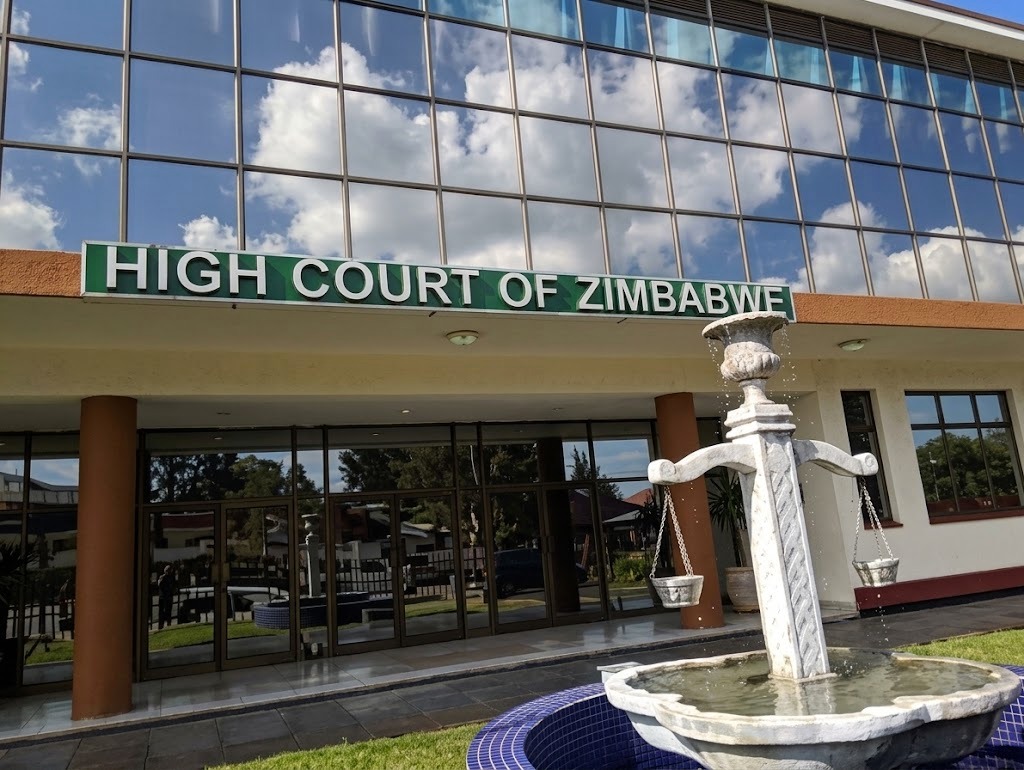
Zimbabwe High Court: Village Head Dispute Deferral to President
Summary
- The Zimbabwe High Court dismissed a dispute concerning the removal and replacement of a village head.
- Justice Sijabuliso Siziba ruled that the President holds the ultimate authority to decide such matters.
- Paurayi Chaibva had challenged his dismissal as Village Head Chaibva and the appointment of Sayini Mucharwa.
- The decision clarifies the limits of judicial review in traditional leadership appointments, deferring to executive power.
The Village Head Dispute Before the High Court
The ruling by Justice Siziba thus clarifies the limits of High Court traditional leader jurisdiction in these sensitive cases.
Paurayi Chaibva initiated legal proceedings in Zimbabwe, seeking to overturn a decision that impacted his traditional leadership role. He brought his challenge before the High Court, specifically contesting his removal from the esteemed position of Village Head Chaibva. Concurrently, Chaibva also disputed the subsequent appointment of Sayini Mucharwa, who had been designated as his replacement. The matter, which centered on the legitimacy of these traditional leadership appointments, was heard by Justice Sijabuliso Siziba.
Ultimately, the High Court determined that it was not the appropriate forum to resolve this particular dispute, effectively deferring the final decision to a higher authority.
Judicial Deference and Presidential Authority
Justice Sijabuliso Siziba's ruling established a clear boundary for the High Court's involvement in disputes concerning traditional leadership. The court's decision to dismiss the village head dispute signifies a judicial recognition of the President's overarching authority in such matters. Rather than delving into the merits of Paurayi Chaibva's challenge against his removal and Sayini Mucharwa's appointment, the High Court indicated that the resolution of these specific issues falls within the executive domain.
This judgment underscores a principle where the judiciary defers to the executive branch, particularly the President, when it comes to the intricate processes of appointing and removing village heads within Zimbabwe's traditional governance structures. The ruling by Justice Siziba thus clarifies the limits of High Court traditional leader jurisdiction in these sensitive cases.
Broader Implications for Traditional Leadership Appointments
This High Court decision carries significant weight for the framework governing Zimbabwe traditional leadership appointments and the avenues available for redress in such disputes. By directing that the President must decide on the validity of a village head's removal and replacement, the ruling by Justice Sijabuliso Siziba reinforces the executive's central role in these matters. It suggests that while individuals like Paurayi Chaibva may seek judicial review, the High Court's jurisdiction in these specific types of cases is circumscribed, pointing instead to the ultimate Presidential authority over village heads.
This has practical implications for legal strategy: lawyers advising clients involved in traditional leadership disputes should carefully consider the limited scope of judicial intervention and the potential for executive determination. The judgment highlights that challenges to traditional leadership roles, particularly at the village head level, may ultimately require engagement with the executive rather than solely relying on the courts for resolution. This approach shapes how future disputes over traditional leadership appointments might be navigated, emphasizing the President's pivotal role in upholding or altering such designations.
Practical Implications
This ruling clarifies that the High Court defers to the President's authority in disputes concerning village head appointments and removals. Lawyers advising on traditional leadership matters should consider the limits of judicial review and the potential for executive intervention in such cases when strategizing for clients.
Source
Source: Original reporting via Newsday
How does this affect you?
Get an AI analysis of this article grounded in your jurisdictions, practice areas, and any policy documents you've uploaded to Wansom.
Finish Reading the Full Story and the Expert Analysis.
Wansom is AI and can make mistakes.