
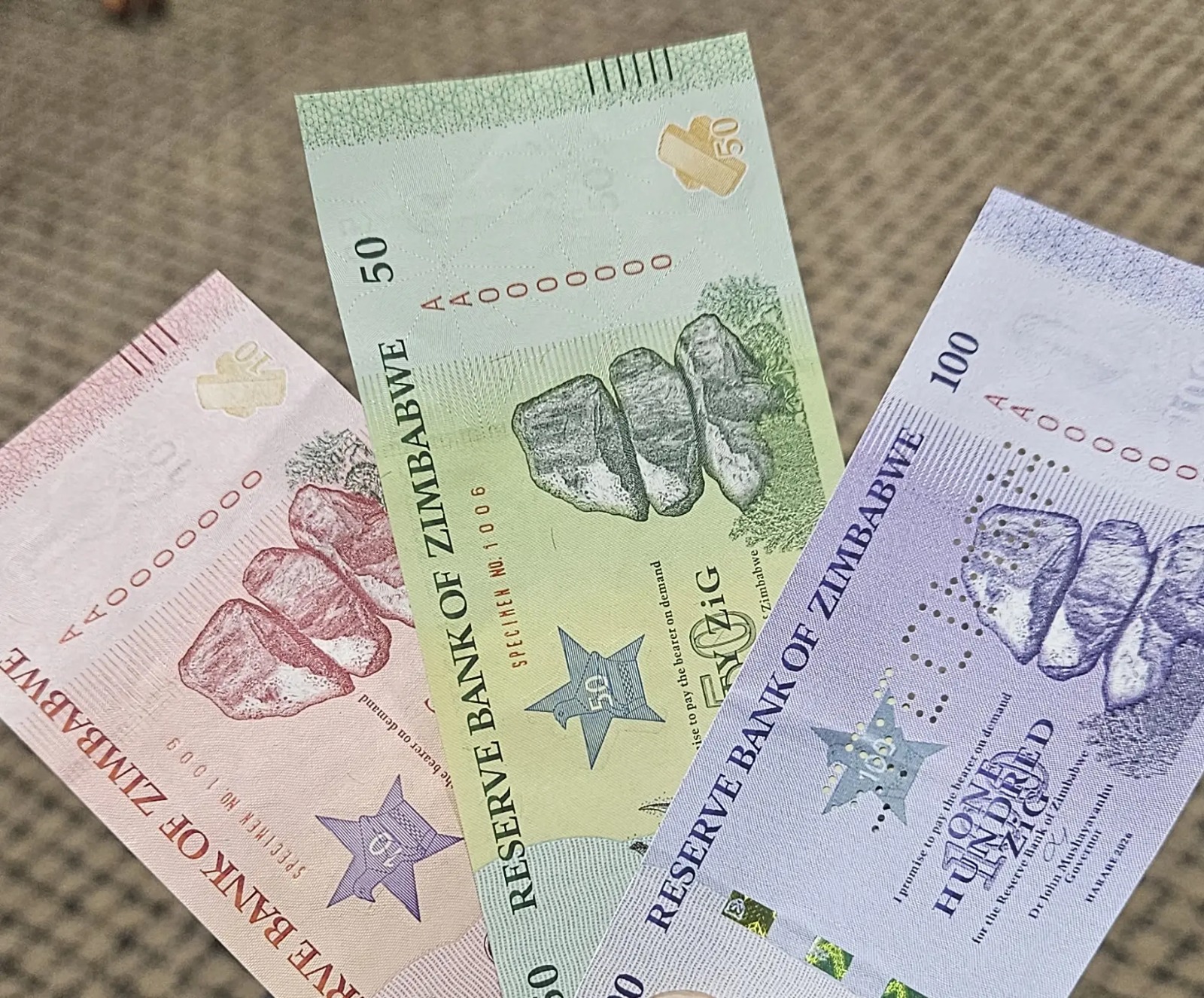
Zimbabwe Government: Gazettes Minimum Pay for Media Workers via SI 176
In Zimbabwe, the government recently gazetted minimum pay for broadcasting and media workers through Statutory Instrument 176 of 2026, published on October 30, almost eight months after the collective bargaining agreement was signed.
Statutory Instrument 176 of 2026 legally enforces the minimum salary structure for employees in the broadcasting and media industry. This instrument, published on October 30, details specific minimum wages for various grades, from A1 to C4, expressed as a combination of US dollars and ZiG. For instance, a Grade A1 employee's minimum wage translates to approximately US$385.85 at the official exchange rate, while a Grade C4 employee receives a package valued at about US$902.72. It is crucial to note that these gazetted figures relate to a collective bargaining agreement signed on March 2, 2026, and cover the period from January to March 2026, rather than representing a new adjustment for the current month. Employers in the industry are now legally obliged to comply with these negotiated minimum wage levels, with a specific provision that organizations already paying above these prescribed rates must maintain those more favourable conditions of service.
This gazetting holds significant legal and economic implications for practitioners, businesses, and employees within Zimbabwe's broadcasting and media sector. It establishes a legally binding baseline for remuneration, aiming to ensure fair labour practices and potentially improve the living standards of workers. For employers, it necessitates a review of current payroll structures and may lead to increased labour costs if existing wages fall below the new minimums. The dual currency payment structure also adds a layer of complexity, requiring careful calculation based on prevailing exchange rates, which can fluctuate.
The legal context for this development is firmly rooted in Zimbabwe's labour law framework, particularly the Labour Act (Chapter 28:01), which provides for collective bargaining agreements and their subsequent legal enforcement through statutory instruments. The gazetting of Statutory Instrument 176 of 2026 transforms the collective bargaining agreement into law, making its provisions mandatory for all covered entities. The principle that more favourable existing conditions must be maintained is a common feature in labour legislation, often referred to as the
How does this affect you?
Get an AI analysis of this article grounded in your jurisdictions, practice areas, and any policy documents you've uploaded to Wansom.
Wansom is AI and can make mistakes.