
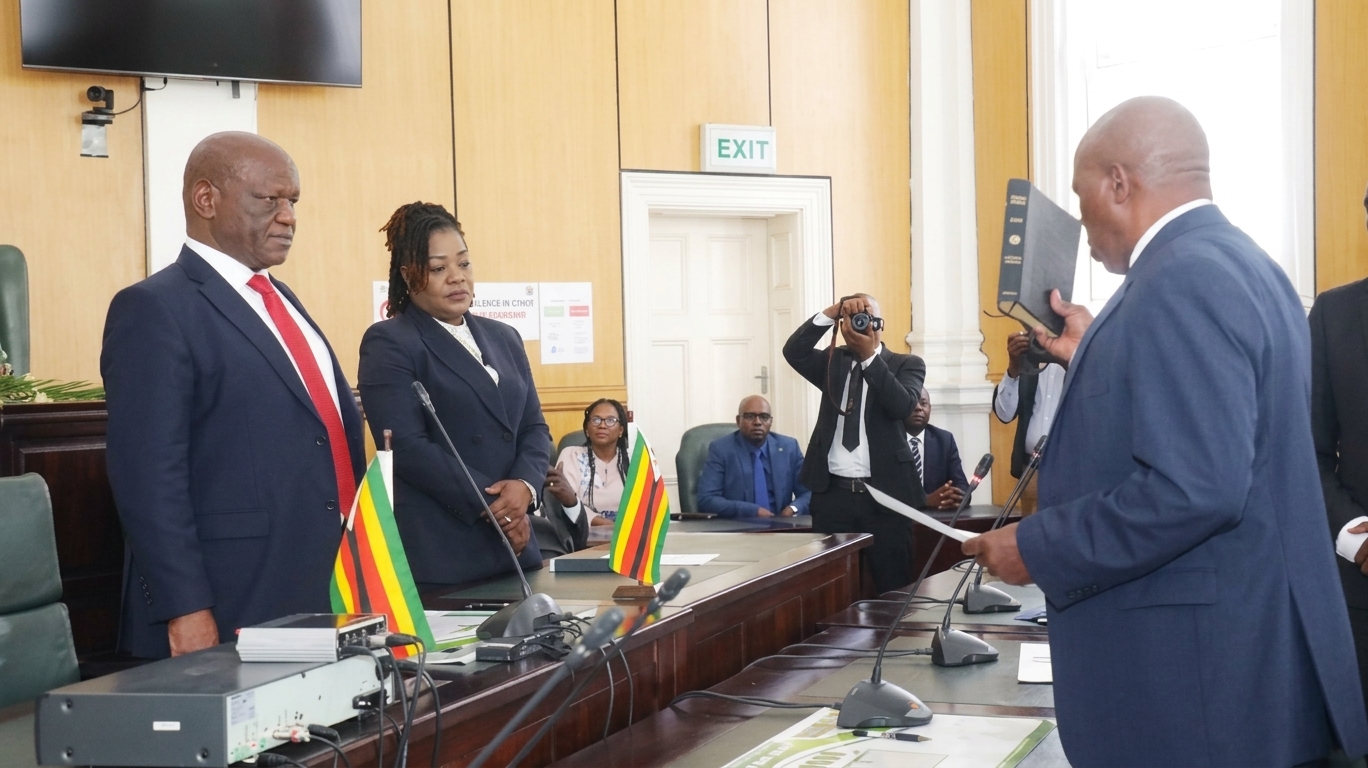
Mnangagwa: Zimbabwe Constitutional Court Appointments Reshape Judiciary
Summary
- President Emmerson Mnangagwa appointed two Supreme Court judges to the Constitutional Court.
- Seven High Court judges were elevated to the Supreme Court as part of a major judicial reshuffle.
- These appointments were announced in a Government Gazette Extraordinary published on a Wednesday.
- The judicial changes were made in terms of section 180(1) of the Constitution, following amendments that altered the appointment framework.
- The reshuffle impacts Zimbabwe's superior courts, potentially influencing future legal interpretations.
Significant Judicial Appointments in Zimbabwe
For lawyers and compliance officers operating within Zimbabwe, understanding the composition of these courts is not merely an academic exercise; it is crucial for anticipating legal outcomes and formulating effective litigation strategies.
President Emmerson Mnangagwa has initiated a substantial restructuring within Zimbabwe's higher courts, appointing several judges to new roles. This significant judicial reshuffle saw two sitting judges from the Supreme Court elevated to the Constitutional Court. Concurrently, seven judges from the High Court were promoted, taking up positions on the Supreme Court, marking a comprehensive overhaul of the nation's superior judicial bodies.
The appointments, which reflect a notable shift in the composition of Zimbabwe's top legal institutions, were formally announced through a Government Gazette Extraordinary. This official publication, released on a Wednesday, served as the public record for these critical changes within the judiciary. The move underscores the President's authority in shaping the country's legal landscape and ensuring the continued functioning of its highest courts.
These judicial appointments by President Mnangagwa were made in accordance with section 180(1) of the Constitution. This specific constitutional provision outlines the framework and powers for such high-level judicial placements. However, these changes follow constitutional amendments that altered the framework for appointing judges, giving the President new powers to make appointments without the previous public interview process. The formal announcement from Harare on August 27 highlighted the immediate effect and importance of these changes for the nation's legal system.
Legal Framework and Court Hierarchy
The elevation of judges to both the Constitutional Court and the Supreme Court represents a pivotal moment for Zimbabwe's legal architecture. The Constitutional Court stands as the ultimate arbiter of constitutional matters, interpreting the supreme law of the land and safeguarding fundamental rights. Its composition is therefore critical to the direction of constitutional jurisprudence in the country. The appointment of two new members from the Supreme Court bench brings seasoned judicial experience to this crucial institution.
Similarly, the Supreme Court serves as the final court of appeal in all non-constitutional matters, playing a vital role in shaping common law and statutory interpretation. The integration of seven High Court judges into its ranks signifies a substantial infusion of new perspectives and expertise. This process, governed by section 180(1) of the Constitution, ensures that judicial appointments are made within a defined legal framework, emphasizing the President's role in maintaining the integrity and functionality of the judiciary. The constitutional amendments have, however, generated debate over the transparency of the judicial appointment process.
Such extensive changes, often referred to as a Zimbabwe judicial reshuffle, have broad implications for the administration of justice. They not only fill vacancies but also introduce new judicial philosophies and interpretations that can influence future rulings. Understanding the legal basis for these appointments, as published in the Government Gazette, is essential for appreciating the legitimacy and authority behind these significant shifts in judicial personnel.
Implications for Legal Practice and Precedent
The recent Zimbabwe Constitutional Court appointments and Zimbabwe Supreme Court elevations under President Mnangagwa's directive signal a period of potential evolution in legal interpretation. With new judges taking their seats on these superior courts, there is an inherent possibility for shifts in legal precedent and the application of existing laws. This makes it imperative for legal professionals to closely monitor judgments emanating from these newly constituted benches.
For lawyers and compliance officers operating within Zimbabwe, understanding the composition of these courts is not merely an academic exercise; it is crucial for anticipating legal outcomes and formulating effective litigation strategies. The collective experience and judicial philosophies of the newly appointed judges could influence rulings on a wide array of cases, from commercial disputes to human rights issues. Therefore, staying abreast of these changes is fundamental to providing sound legal advice and ensuring compliance.
The comprehensive nature of this judicial reshuffle, affecting both the Constitutional and Supreme Courts, suggests a deliberate effort to reinforce or redefine the judiciary's direction. The appointments, formally documented in the Zimbabwe Government Gazette, are more than just personnel changes; they are foundational adjustments that could shape the legal landscape for years to come. Legal practitioners must therefore remain vigilant, adapting their approaches to the evolving judicial environment.
Practical Implications
Lawyers and compliance officers in Zimbabwe should monitor judgments from the newly constituted Constitutional and Supreme Courts for potential shifts in legal interpretation or precedent. Understanding the new judicial composition is crucial for anticipating legal outcomes and advising clients on litigation strategy.
Source
How does this affect you?
Get an AI analysis of this article grounded in your jurisdictions, practice areas, and any policy documents you've uploaded to Wansom.
Finish this article free. Just your email for instant unlock.
Wansom is AI and can make mistakes.