
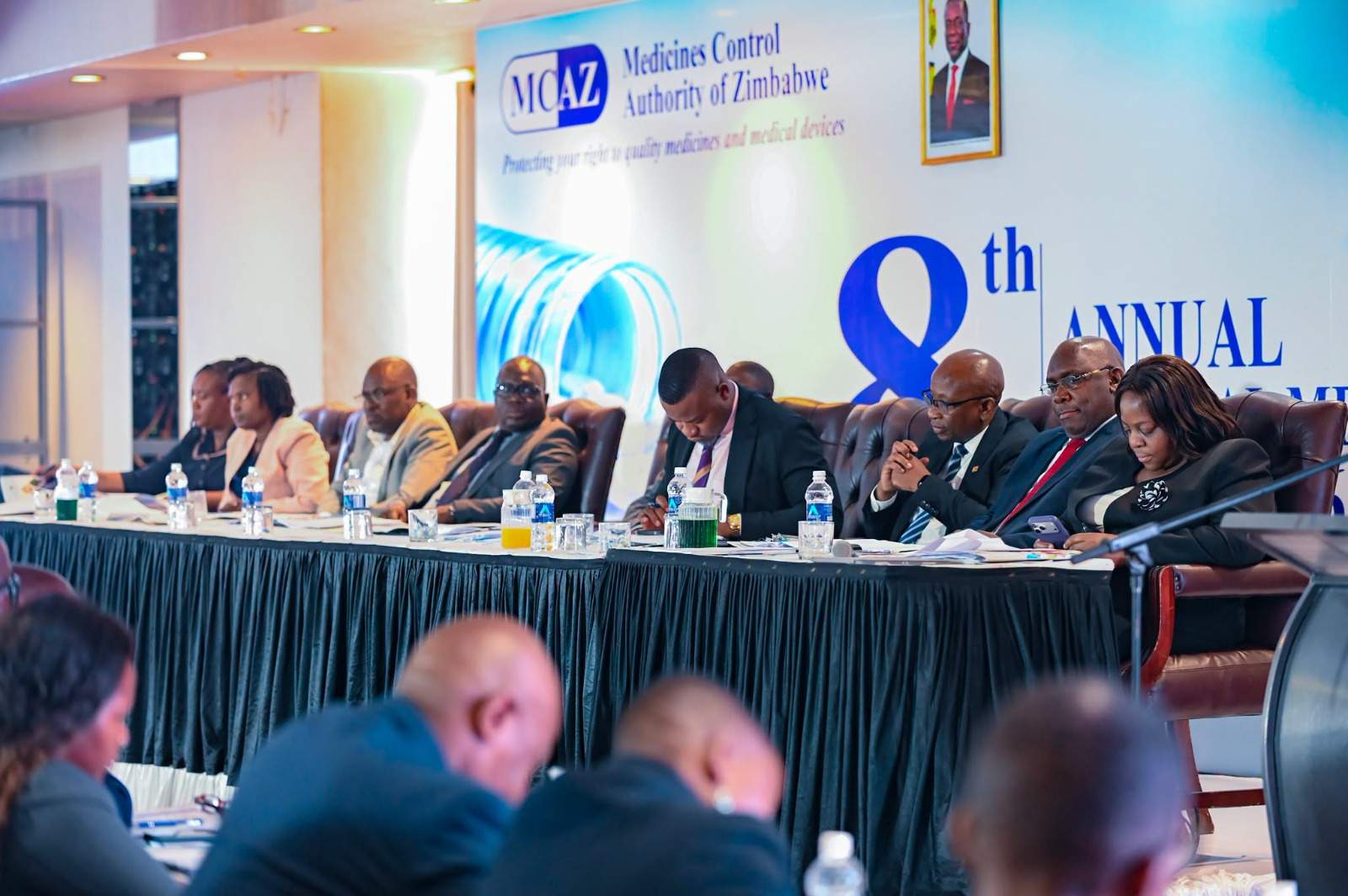
Zimbabwe COMESA GMP: Training Advances Local Drug Production
Summary
- Harare is hosting a four-day Good Manufacturing Practices (GMP) training for medicines regulators from 15 COMESA member states, which began on Tuesday, November 24, 2026.
- The training is a joint effort by the Medicines Control Authority of Zimbabwe (MCAZ) and the Common Market for Eastern and Southern Africa (COMESA).
- Zimbabwe aims to achieve 60% local production of medicines by 2030 to reduce its drug import bill.
- This initiative highlights increased regional focus on pharmaceutical quality and compliance within the COMESA bloc.
- The training supports Zimbabwe's strategic goal of enhancing its pharmaceutical manufacturing capabilities and reducing reliance on imports.
Regional Focus on Pharmaceutical Quality
Lawyers advising these entities should closely monitor these developments, particularly regarding GMP adherence and local content requirements, as they could necessitate proactive compliance reviews and strategic adjustments for market entry or expansion.
Harare is currently hosting a significant four-day training initiative focused on Good Manufacturing Practices (GMP), drawing medicines regulators from fifteen member states of the Common Market for Eastern and Southern Africa (COMESA). The program, which commenced on Tuesday, November 24, 2026, underscores a concerted effort to enhance the quality and safety standards within the regional pharmaceutical sector. This collaborative event is jointly organized by the Medicines Control Authority of Zimbabwe (MCAZ) and COMESA, highlighting a shared commitment to elevating regulatory oversight.
The intensive Good Manufacturing Practices training is designed to equip regulatory bodies with advanced knowledge and best practices essential for overseeing the production of pharmaceutical products. By standardizing and improving GMP adherence across the COMESA bloc, the initiative aims to foster greater confidence in locally manufactured medicines and facilitate smoother regional trade. This focus on robust quality control is a foundational element for countries like Zimbabwe, which are actively pursuing ambitious targets for domestic drug production.
Zimbabwe's Strategic Manufacturing Goals
This regional gathering aligns directly with Zimbabwe's national strategic objective to significantly boost its domestic pharmaceutical output. The nation has set an ambitious target of achieving 60% local production of medicines by the year 2030. This goal for Zimbabwe pharmaceutical manufacturing 2030 is primarily driven by a desire to substantially reduce the country's reliance on imported drugs, thereby alleviating the considerable Zimbabwe drug import bill.
The Medicines Control Authority of Zimbabwe plays a pivotal role in realizing this vision, working to ensure that any increase in local drug production is accompanied by stringent quality assurance. The ongoing GMP training is therefore crucial, as it directly supports the development of a robust and compliant local manufacturing base capable of meeting both national demand and international standards. The emphasis on Zimbabwe COMESA GMP local drug production reflects a broader strategy to build a self-sufficient and high-quality pharmaceutical industry.
Implications for Regional Pharmaceutical Landscape
The convergence of regional regulators for Good Manufacturing Practices training signals an evolving regulatory landscape across the Common Market for Eastern and Southern Africa. For pharmaceutical clients operating within Zimbabwe and the wider COMESA region, this initiative underscores an increased scrutiny on domestic drug manufacturing processes and a clear push towards higher compliance standards. Lawyers advising these entities should closely monitor these developments, particularly regarding GMP adherence and local content requirements, as they could necessitate proactive compliance reviews and strategic adjustments for market entry or expansion.
This collective effort to bolster GMP standards across 15 COMESA member states suggests a future where regional pharmaceutical products are held to a consistent and elevated quality benchmark. Such harmonization could streamline regulatory processes and foster greater trust in medicines produced within the bloc, ultimately benefiting public health while also presenting new challenges and opportunities for pharmaceutical companies navigating these enhanced regulatory environments.
Practical Implications
Lawyers advising pharmaceutical clients in Zimbabwe and the COMESA region should closely monitor the evolving regulatory landscape, particularly regarding GMP compliance and local content requirements. This initiative signals increased scrutiny on domestic drug manufacturing and potential shifts in import/export regulations, necessitating proactive compliance reviews and strategic planning for market entry or expansion.
Source
Source: Original reporting via NewsDay
How does this affect you?
Get an AI analysis of this article grounded in your jurisdictions, practice areas, and any policy documents you've uploaded to Wansom.
Finish Reading the Full Story and the Expert Analysis.
Get the latest legal & regulatory intelligence in Zimbabwe
Wansom is AI and can make mistakes.