
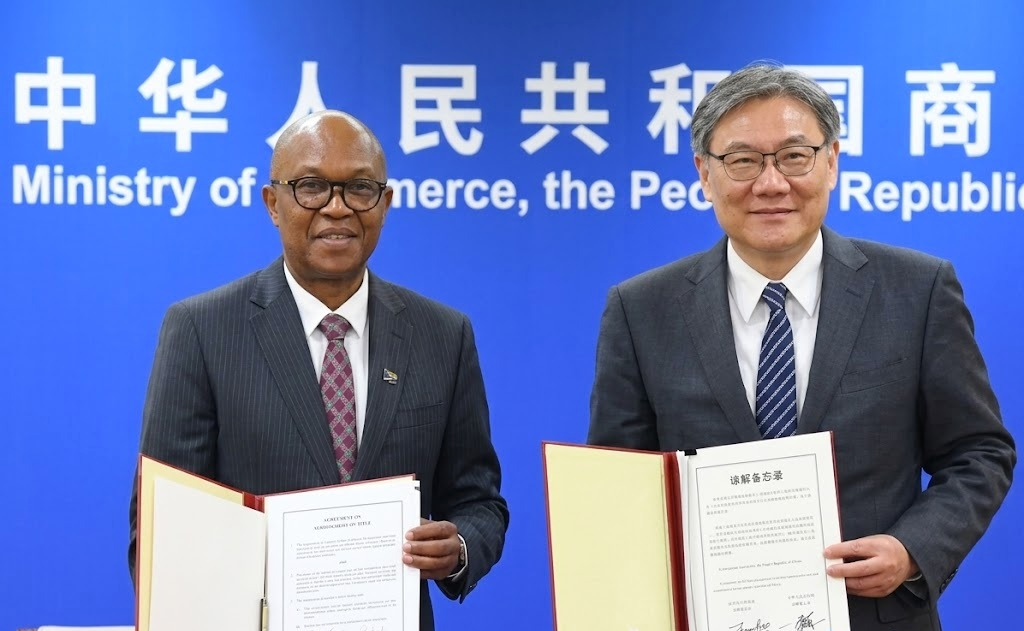
Zimbabwe China Zero-Tariff Agriculture Policy to Boost Exports
Summary
- China has implemented a zero-tariff policy aimed at boosting Zimbabwe's agriculture sector and fostering rural industrialisation.
- This policy seeks to expand Zimbabwe agricultural exports to China by removing trade barriers.
- Zimbabwe's National Development Strategy 2 prioritizes export diversification, trade, and investment facilitation to drive structural transformation and rural modernization.
- NDS2 also aims to accelerate agricultural modernization through expanded irrigation, mechanization, and climate-smart farming.
- The zero-tariff policy aligns with Zimbabwe's strategic goals, offering a significant opportunity for economic growth and rural development.
New Avenues for Zimbabwe's Agricultural Exports
Lawyers advising agricultural clients should meticulously assess the potential for new export markets to China under this zero-tariff policy.
Zimbabwe's agricultural sector stands to benefit significantly from a new zero-tariff policy implemented by China. This initiative is specifically designed to invigorate the Southern African nation's farming industry, opening up new export markets and fostering economic growth. The policy aims to reduce trade barriers, thereby making Zimbabwean agricultural products more competitive and accessible to Chinese consumers.
Beyond simply boosting exports, the zero-tariff policy Zimbabwe has secured with China is also geared towards stimulating rural industrialisation within the country. This dual focus underscores a broader strategy to transform Zimbabwe's economic landscape, leveraging its agricultural potential to drive development in its rural areas. The policy represents a key component of the evolving China Zimbabwe trade agreement, signaling a deepening of economic ties between the two nations.
Zimbabwe's Strategic Development Framework
This Chinese zero-tariff initiative aligns closely with Zimbabwe's own ambitious economic blueprint, the National Development Strategy 2 (NDS2). A central pillar of NDS2 is the prioritization of export diversification, which seeks to broaden the range of goods Zimbabwe sells internationally and reduce reliance on traditional markets. The strategy also places significant emphasis on facilitating both trade and investment, recognizing these as critical catalysts for structural transformation across the economy.
Ultimately, the overarching goal of NDS2 is to propel rural modernization and industrialisation. This vision extends to accelerating agricultural modernization through several key interventions. These include the expansion of vital irrigation infrastructure, the widespread adoption of mechanization in farming practices, and the implementation of climate-smart agriculture techniques to enhance resilience and productivity. The zero-tariff policy from China offers a tangible pathway for Zimbabwe to achieve these strategic objectives, particularly concerning Zimbabwe agricultural exports China.
Implications for Rural Industrialisation and Modernization
The synergy between China's zero-tariff policy and Zimbabwe's National Development Strategy 2 agriculture goals presents a compelling opportunity for comprehensive rural development. By providing preferential market access, the policy can incentivize increased agricultural production and value addition within Zimbabwe, directly supporting the push for rural industrialisation. This could lead to the establishment of processing facilities, improved logistics, and job creation in areas traditionally reliant on subsistence farming.
Lawyers advising agricultural clients should meticulously assess the potential for new export markets to China under this zero-tariff policy. Understanding the specific products covered and the regulatory requirements will be crucial for capitalizing on these opportunities. Furthermore, legal professionals can guide clients on related trade and investment prospects that emerge from Zimbabwe's rural industrialisation efforts, helping to navigate the legal frameworks for new ventures and partnerships facilitated by the China Zimbabwe trade agreement.
Practical Implications
Lawyers should advise agricultural clients on potential new export markets to China under the zero-tariff policy and assess related trade and investment opportunities in Zimbabwe's rural industrialisation efforts.
Source
Source: Original reporting via Newsday
How does this affect you?
Get an AI analysis of this article grounded in your jurisdictions, practice areas, and any policy documents you've uploaded to Wansom.
Finish Reading the Full Story and the Expert Analysis.
Wansom is AI and can make mistakes.