
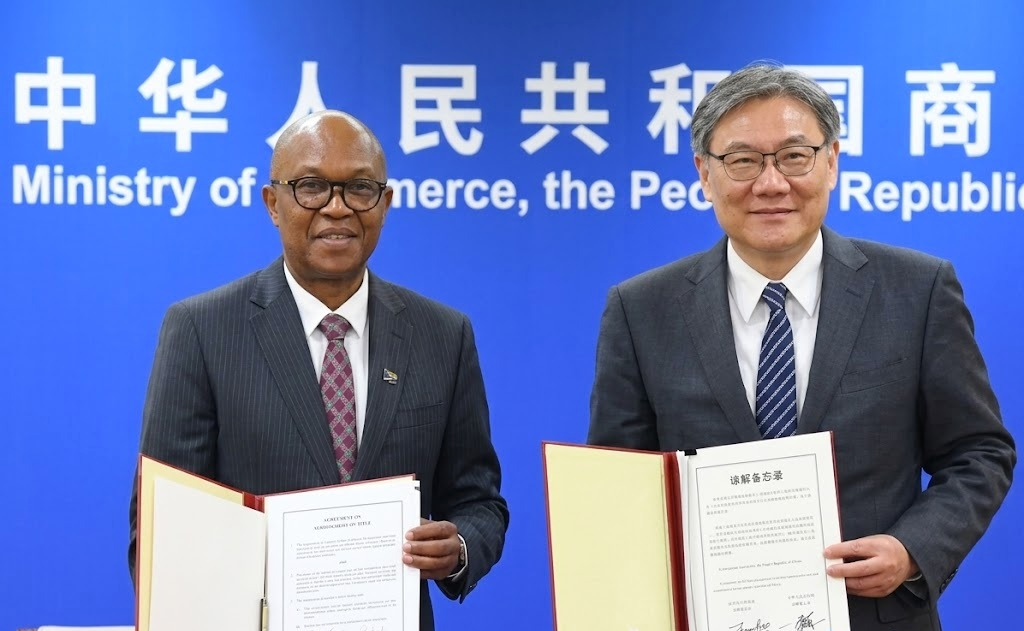
Zimbabwe: China's Zero-Tariff Policy and Agricultural Impact
China's zero-tariff policy is being explored for its potential to significantly boost Zimbabwe's agriculture sector and rural industrialisation, aligning directly with Zimbabwe's National Development Strategy 2 (NDS2). The policy aims to accelerate agricultural modernisation through expanding irrigation infrastructure, mechanisation, and climate-smart farming practices. This initiative is presented as a strategic alignment, where China's trade policy can serve as a catalyst for Zimbabwe's national development objectives, particularly NDS2's prioritisation of export diversification, trade, and investment facilitation as key drivers for structural transformation and rural economic growth. While the specific details of the zero-tariff policy, such as the list of eligible products or the precise implementation timeline, are not provided in the excerpt, the focus is clearly on its potential to open new market opportunities for Zimbabwean agricultural produce and stimulate domestic industrialisation.
For Zimbabwean legal practitioners, this development carries substantial legal significance, signalling a strategic shift in trade relations and economic policy that will impact various sectors. Attorneys advising clients in agriculture, export, manufacturing, and related investment fields must understand the intricacies of this policy. It creates new avenues for market access for Zimbabwean products into China, necessitating legal guidance on compliance with international trade regulations, rules of origin, and potential non-tariff barriers. Furthermore, the emphasis on NDS2 means that legal frameworks and regulatory reforms are likely to be introduced or amended to support these strategic objectives, requiring practitioners to stay abreast of legislative changes related to investment incentives, agricultural land use, and export promotion. Businesses seeking to capitalise on these opportunities will require robust legal counsel on trade agreements, investment protection, and market entry strategies.
The legal context for this initiative is primarily rooted in Zimbabwe's National Development Strategy 2 (NDS2), which, although a policy document, forms the bedrock for legislative and regulatory reforms aimed at economic development. The zero-tariff policy itself would operate under the principles of international trade law, likely through a bilateral trade agreement or a specific preferential trade scheme between China and Zimbabwe. This would necessitate careful consideration of Zimbabwe's domestic customs and excise legislation, such as the Customs and Excise Act [Chapter 23:02], which may require amendments or specific statutory instruments to facilitate the duty-free export of Zimbabwean agricultural products. Other relevant statutes include the Control of Goods Act [Chapter 14:05] and legislation governing investment promotion, such as the Zimbabwe Investment Development Agency Act [Chapter 14:37]. The broader framework of the World Trade Organization (WTO) and its principles on preferential trade agreements would also be relevant, though the specific nature of the China-Zimbabwe arrangement is not detailed in the excerpt.
Key parties involved in this strategic initiative include the Government of Zimbabwe, particularly the ministries responsible for agriculture, trade, and finance, and the Government of China, which is the originator of the zero-tariff policy. Zimbabwean agricultural producers, exporters, and businesses engaged in irrigation, mechanisation, and climate-smart farming are direct beneficiaries and crucial stakeholders. International investors looking to participate in Zimbabwe's agricultural sector, especially those targeting export markets, are also significant players. Regulatory bodies such as the Zimbabwe Revenue Authority (ZIMRA) will play a pivotal role in the implementation and oversight of the customs and trade facilitation aspects of the zero-tariff policy, ensuring compliance and efficient processing of goods.
Practitioners should proactively advise clients in the agricultural, export, and investment sectors on the potential implications and opportunities arising from China's zero-tariff policy and the broader NDS2 objectives. This includes closely monitoring the specific details of any bilateral agreement, such as product schedules, rules of origin, and any associated technical or sanitary and phytosanitary standards. Attorneys should guide clients on compliance with Zimbabwean export regulations, international trade standards, and potential investment incentives related to agricultural modernisation and value addition. Furthermore, staying informed about legislative and regulatory changes stemming from NDS2's focus on trade and investment facilitation is paramount. Lawyers should prepare to assist clients with market access strategies, trade finance arrangements, and navigating the legal complexities of international trade and investment, particularly in the context of evolving bilateral agreements with major trading partners like China.
How does this affect you?
Get an AI analysis of this article grounded in your jurisdictions, practice areas, and any policy documents you've uploaded to Wansom.
Finish Reading the Full Story and the Expert Analysis.
Wansom is AI and can make mistakes.