
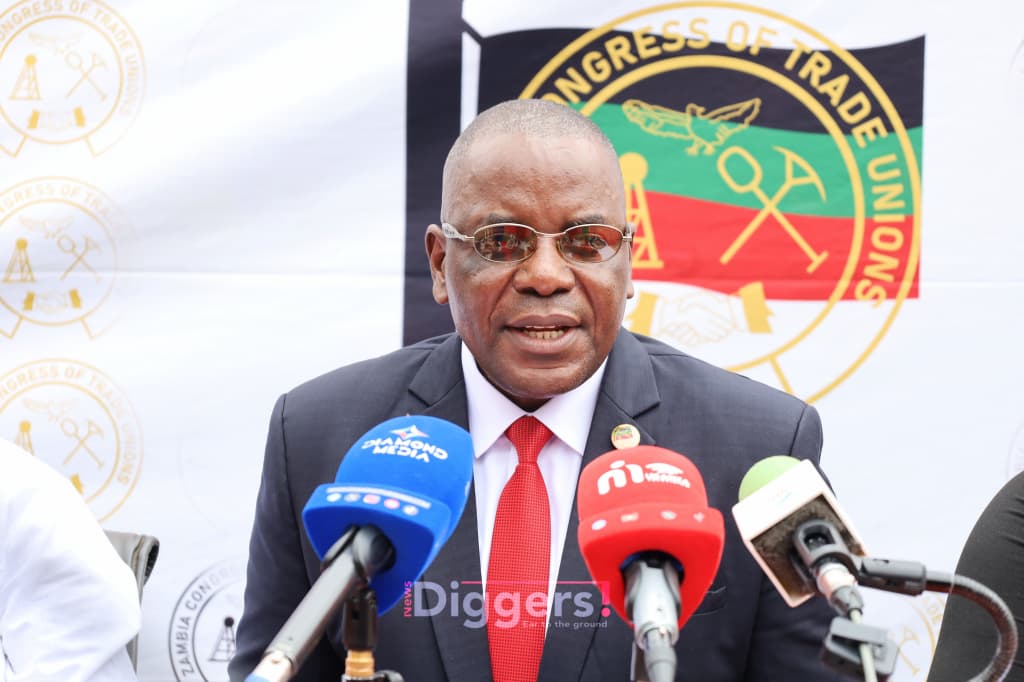
ZCTU Zambia: Urges PAYE Reduction to 25% for Workers
Summary
- The Zambia Congress of Trade Unions (ZCTU) has urged the government to reduce Pay As You Earn (PAYE) tax rates.
- ZCTU President Blake Mulala stated that the current PAYE system places a heavy burden on workers.
- The organization proposes lowering the PAYE tax rate to 25 percent.
- The ZCTU believes the government should not primarily depend on workers for national revenue growth.
ZCTU Calls for PAYE Reduction
The Zambia Congress of Trade Unions (ZCTU) has formally urged the Zambian government to significantly reduce the Pay As You Earn (PAYE) tax rates, arguing that the current system imposes an excessive financial burden on the nation's workforce.
The Zambia Congress of Trade Unions (ZCTU) has formally urged the Zambian government to significantly reduce the Pay As You Earn (PAYE) tax rates, arguing that the current system imposes an excessive financial burden on the nation's workforce. This call comes amidst concerns that the government is overly reliant on income generated from workers to bolster the country's overall revenue base, a strategy the ZCTU believes is unsustainable and inequitable.
Blake Mulala, who serves as the President of the ZCTU, articulated the organization's position, emphasizing the need for a shift in the government's revenue generation approach. The ZCTU's specific proposal advocates for a reduction in the PAYE tax rate to 25 percent, a move they contend would alleviate some of the financial pressure currently experienced by employees across various sectors.
Rationale Behind the Proposal
The core of the ZCTU's argument rests on the premise that the existing PAYE structure places an undue and heavy burden on Zambian workers. This perspective suggests that while all citizens contribute to the national economy, the proportion of revenue derived directly from employee salaries through PAYE is disproportionately high, leading to reduced disposable income and financial strain for many households.
By advocating for a lower PAYE tax rate, the Zambia Congress of Trade Unions aims to improve the economic welfare of its members and the broader working population. The organization believes that a reduction to 25 percent would not only provide immediate financial relief but also stimulate the economy by increasing workers' purchasing power, thereby fostering greater internal demand for goods and services.
Implications for National Revenue
Should the Zambian government adopt the ZCTU's proposal for a PAYE reduction, it would necessitate a re-evaluation of the national revenue strategy. A decrease in income tax collected from employees would inevitably impact the government's overall financial resources, requiring alternative methods for funding public services and development projects. This Zambia income tax proposal highlights a tension between supporting the workforce and maintaining fiscal stability.
The ZCTU's stance implies that the government should explore other avenues for revenue generation, rather than primarily depending on the earnings of its citizens. This could involve diversifying the tax base, improving tax collection efficiency from other sectors, or re-evaluating public expenditure priorities to accommodate the proposed reduction in the PAYE tax rate Zambia currently levies on its workers.
Practical Implications
This proposal from the ZCTU, if adopted by the Zambian government, would directly impact payroll calculations and tax obligations for employers and employees. Lawyers advising businesses in Zambia should monitor legislative developments concerning PAYE rates to ensure compliance and advise on potential adjustments to employment contracts and financial planning.
Source
Source: Original reporting via The Mast
How does this affect you?
Get an AI analysis of this article grounded in your jurisdictions, practice areas, and any policy documents you've uploaded to Wansom.
Finish Reading the Full Story and the Expert Analysis.
Wansom is AI and can make mistakes.