
Zambia: Zambian Presidents Citizenship Origins Challenge National Identity
Summary
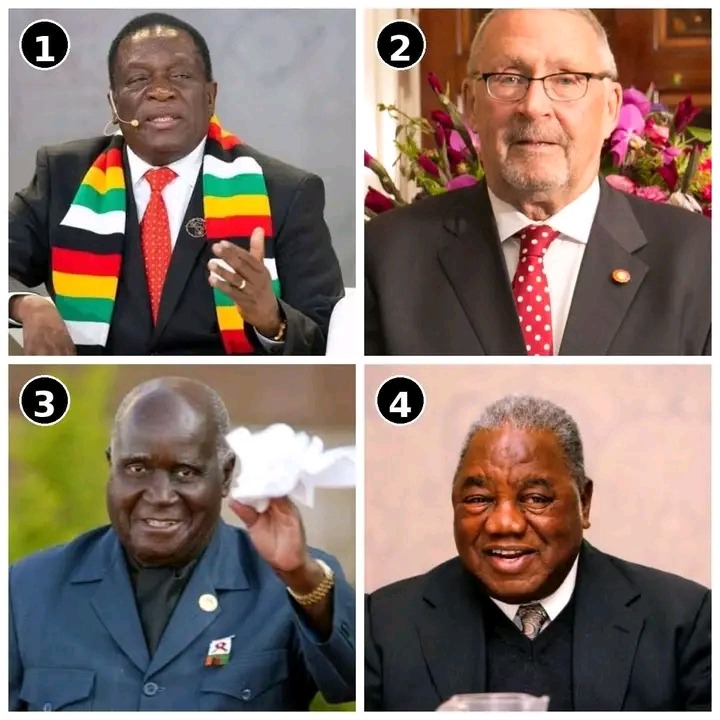
- Emmerson Mnangagwa, born in Southern Rhodesia, was raised and educated in Zambia before becoming President of Zimbabwe.
- Guy Scott, born in Livingstone, Zambia, to Scottish and English parents, served as Zambia's Vice President and Acting President.
- Kenneth Kaunda, born in Chinsali, Zambia, had parents who originated from Nyasaland, now Malawi.
- Rupiah Banda, born in Gwanda, which is now Zimbabwe, to Zambian parents seeking work, later became President of Zambia.
- These examples illustrate that African national identity often transcends birthplace due to historical cross-border movements.
Historical Context of African Borders
For many, belonging is not solely determined by the location of their birth but by their upbringing, cultural ties, political engagement, and the nation they choose to serve.
The concept of national identity in Africa, particularly concerning `Zambian presidents citizenship origins`, often transcends the simple definition provided by a passport. Before the establishment of modern nation-states and their defined boundaries, populations across the continent moved freely, driven by various factors such as trade, conflict, and the search for resources or employment. This historical fluidity means that the birthplace of an individual, while a factual marker, does not always fully encapsulate their national belonging or the complex tapestry of their heritage.
This historical backdrop is crucial for understanding the diverse backgrounds of many prominent figures, including those who have held the highest office in Zambia. The artificial demarcation of borders by colonial powers often bisected existing communities and traditional migration routes, leading to situations where individuals born in one geographical area might have deep cultural, familial, and political ties to another, which later became a separate nation. This legacy continues to shape perceptions of `African citizenship historical context` and national identity today.
Diverse Origins of Zambian Leadership
Several Zambian leaders exemplify this intricate relationship between birthplace and national identity. For instance, Rupiah Banda, who eventually served as President of Zambia, was born in Gwanda, a location now situated within Zimbabwe. His birth across the border occurred because his Zambian parents had temporarily relocated there in pursuit of work opportunities. Despite being born outside what would become Zambia's modern borders, Banda was raised as a Zambian and ultimately ascended to the nation's presidency, illustrating how early life circumstances abroad did not preclude his leadership role within Zambia, despite his `Rupiah Banda Zimbabwe nationality` at birth.
Similarly, the early life of Emmerson Mnangagwa, the current President of Zimbabwe, also highlights a significant `Emmerson Mnangagwa Zambian connection`. Born in Southern Rhodesia, his family later moved to Mumbwa, Zambia, during his youth. He received his education in Zambia and became actively involved in the country's political landscape, even serving within the UNIP Youth League. His journey eventually led him back across the border to become Zimbabwe's head of state, showcasing Zambia's role in nurturing leaders who would go on to govern neighboring nations.
Beyond Conventional Lineage
The narrative of `Zambian presidents citizenship origins` further complicates with figures like Kenneth Kaunda, widely revered as the Father of the Zambian nation. Although Kaunda was born in Chinsali, Zambia, his parents originated from Nyasaland, which is known today as Malawi. His father was a missionary and teacher, and their migration across what later became an international border underscores the pre-colonial movement of people. Despite his parents' `Kenneth Kaunda Malawi birth` origins, Kaunda's Zambian identity is unquestioned and deeply ingrained in the national consciousness.
Another notable example is Guy Scott, who served as both Vice President and later Acting President of Zambia. Scott was born in Livingstone, Zambia. However, his lineage was entirely non-Zambian by conventional standards, as his father was Scottish and his mother was English. Despite having no Zambian parentage, Scott's birth within the country and his subsequent political career demonstrate a different facet of `Guy Scott Zambian citizenship`, where birthplace and personal commitment superseded ethnic or ancestral ties in defining his national role.
Redefining National Belonging
These cases collectively underscore a fundamental truth about national identity in the African context: a person's birthplace, as recorded on official documents, often tells only a part of their story. The deep historical movements of people across the continent, long before the advent of modern immigration controls and passports, created a complex web of interconnectedness. For many, belonging is not solely determined by the location of their birth but by their upbringing, cultural ties, political engagement, and the nation they choose to serve.
The experiences of these leaders challenge simplistic notions of nationality, revealing that identity is often a fluid and multifaceted construct. It highlights how individuals born across borders, or to parents from different lands, can profoundly shape the destiny of a nation. Ultimately, these narratives emphasize that while a passport indicates where someone arrived, it does not always fully convey where they truly belong.
Practical Implications
This article offers historical context on the complex origins and nationality of prominent Zambian leaders, illustrating the historical fluidity of African borders. While insightful for understanding historical identity, it does not present any direct actionable legal or compliance implications for current practice.
Source
How does this affect you?
Get an AI analysis of this article grounded in your jurisdictions, practice areas, and any policy documents you've uploaded to Wansom.
Finish Reading the Full Story and the Expert Analysis.
Wansom is AI and can make mistakes.